

It’s difficult to imagine the effects of such instability on a child—the frequent relocation, new schools, unfamiliar faces, and lack of a solid foundation. It was more than a gift when his mother gave him a guitar when he was twelve. It was most likely the first thing he felt like.
Depp had made up his mind by the time he was sixteen. Depending on who you ask, his decision to leave Miramar High School in 1979 to pursue music was either bold or reckless. The next event, which sounds almost too dramatic to be true, is that he returned two weeks later, changed his mind, and the principal of the school allegedly advised him to pursue his dream. No one can say for sure if the principal was just being nice or if he saw something in the boy. Depp, however, did not come back.
From then on, he created all of his own education. He performed in bands all over Florida before starting The Kids, a band that later relocated to Los Angeles and changed its name to Six Gun Method. He reportedly worked odd jobs, including telemarketing, in between rehearsals. It’s not a glamorous photo. A young man in his early twenties is struggling to make ends meet in a city that owes no one anything while attempting to change without much support.
The decision to switch to acting was nearly unintentional. Nicolas Cage, who was introduced to him by his ex-wife, saw something positive in him. He was pushed by Cage to try out for Wes Craven’s A Nightmare on Elm Street. Depp’s resume listed no acting classes, no conservatory degree, and no formal training. In his own words, he “ended up acting by accident.” However, it seems appropriate that someone who acquired all of his knowledge outside of formal education would end up in one of the world’s most institution-driven fields.
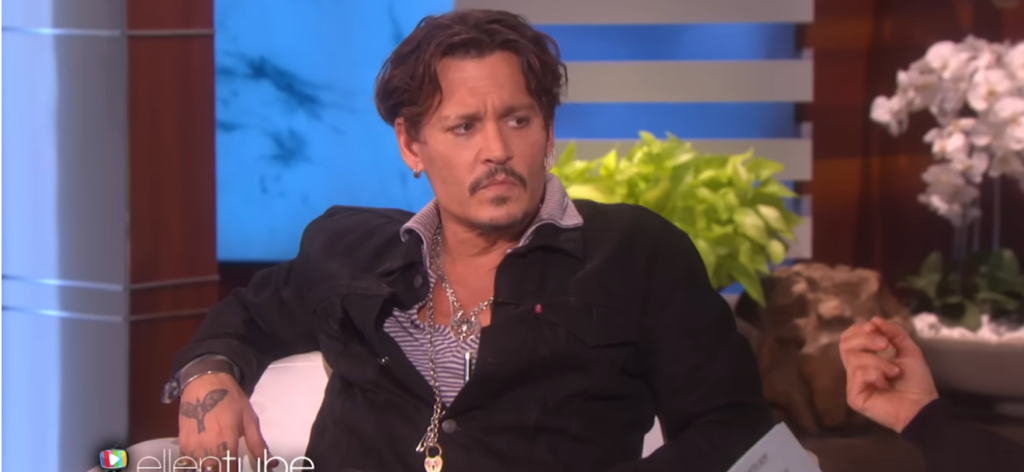
What’s remarkable about Depp’s early career is how purposefully he seemed to reject the safe option, the bankable role, and the predictable arc that formal education might have conditioned him toward. He left 21 Jump Street after rising to prominence as a teen idol because he felt uncomfortable about being turned into a “product.” It sounds less like rebellion and more like the survival strategy of someone who has always had to rely on his own judgment.
More than anything else, his role preparation frequently resembled self-directed study. He taught himself the language of silent sympathy by watching Charlie Chaplin movies prior to Edward Scissorhands. He approached characters from the outside in, using observation, absorption, imitation, and ultimately something wholly original, just like someone who had never received formal education approaches a problem.
Some of this might have been resolved if he had received a traditional education, which would have given him a more structured foundation and possibly different instincts. However, it’s also possible that he would have lost the very characteristics that gave his performances a truly unique and vibrant quality. When you look at his early work in particular, you get the impression that he never learned the rules and was therefore never forced to abide by them.
The little education Johnny Depp received took place in small rehearsal spaces, in the passenger seat of a van traveling to Los Angeles, and in the quiet moments between takes on a movie set. It lacked accreditation. It wasn’t a straight line. However, it resulted in a person who learned completely on his own terms, something that classrooms seldom do.
