

Homeschooling parents are familiar with a specific type of Tuesday morning. Three separate notebooks are open, a math lesson is halfway through, coffee is cooling on the counter, and somewhere in the stack is an attendance sheet that hasn’t been touched in two weeks. Mostly, it’s organized chaos. And for a long time, homeschooling was simply accepted.
But something has changed. A new class of digital planning systems has emerged to meet the quiet, low-key demands of a generation of homeschooling families. The concept is fairly straightforward: you most likely need real school-level organization if you’re operating a school out of your living room. The length of time it took for someone to construct it correctly is intriguing.
This approach, which parents and educators are increasingly referring to as “power homeschool,” is more than just curriculum. The goal is to treat homeschooling with the same structural seriousness as traditional schools, but without the bureaucracy, strict schedules, or loss of the individual flexibility that initially drew people to homeschooling. Finding that balance is really challenging. Because they tended to be too clinical or too informal, the majority of early tools completely missed it.
MySchoolYear and other platforms have spent years attempting to strike the correct balance. The fact that they have won the top homeschool planner award seven times in a row indicates that parents believe they are getting closer. Lesson planbooks, scheduling calendars, automated grading, attendance tracking, and professional report generation aren’t particularly innovative features on paper, but how they are implemented is crucial in a setting where the user is usually a parent balancing six other tasks at once. In the words of one reviewer, it simplifies her life. The bar is that. Not sophisticated. Simply put, simpler.
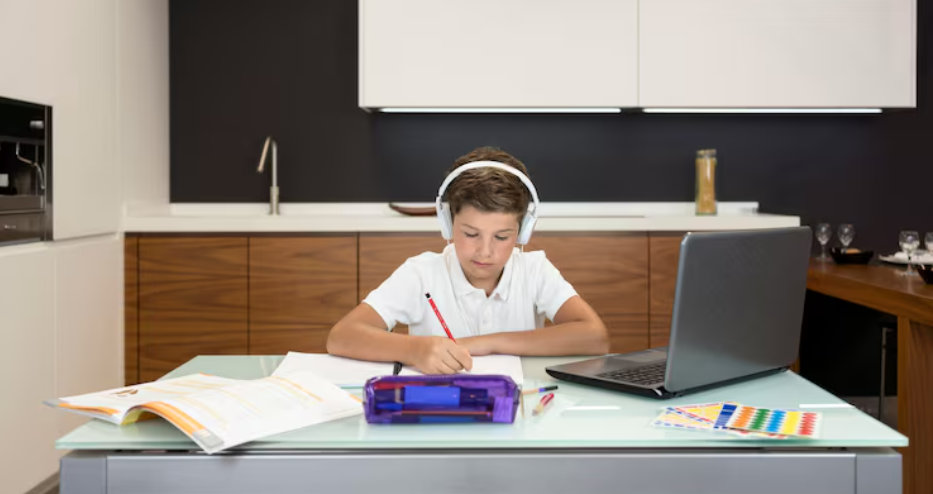
Visibility is often what separates a successful homeschool from a failing one. Is it possible for the parent to see what’s due, what’s happening right now, and what’s coming up all at once without having to dig? The majority of families are effectively running a small school, particularly those with several children in various grade levels. Manually keeping track of everything has a significant cognitive burden that builds up. A dashboard that displays student progress in simple visual terms, where a quick glance replaces twenty minutes of cross-referencing planners, is almost relieving.
Particular attention should be paid to the record-keeping component, particularly for families with high school students. When a teen is applying to college, transcripts, course descriptions, and instructional hours are not optional extras. They are necessary. Additionally, there may be a lot of anxiety about homeschool documentation at that point. Families used to have to rush to educational consultants or print shoddy documents and hope for the best, but now there are systems that accurately and effortlessly produce academic records that look professional.
It’s still unclear if the philosophy of power homeschool will eventually change discussions about education in general or if it will continue to be a well-organized niche. The number of homeschooling families has been steadily increasing, and pandemic years have accelerated this trend. However, transformation and growth are not synonymous. One thing that is certain is that the families who are successfully implementing structured, documented, flexible-paced home education programs are no longer improvising. They have discovered useful tools. Additionally, the coffee may still get cold on those Tuesday mornings. However, the attendance sheet is at least completed.
