

The early childhood education sector in Argentina is experiencing a stir that doesn’t feel like a typical policy dispute. Compared to that, it feels heavier. A proposed Education Freedom Bill that would drastically change how the nation views its youngest citizens is being opposed by educators, union organizers, and advocacy organizations throughout Buenos Aires and beyond. The World Organization for Early Childhood Education, or OMEP, is at the center of this pushback. Although it has been doing this kind of work for more than 70 years, it has rarely done so with such urgency.
The conflict has deep roots. The First Argentine Pedagogical Congress of 1882 and Law 1420, which solidified the idea that education was a communal endeavor supported by the state, are credited with shaping Argentina’s contemporary educational identity. Even though this legacy has been flawed and contentious, it has given Argentina something unique in Latin America: a broad consensus that everyone should have access to education, not just those who can afford it. The physical manifestation of this can still be seen when strolling through the capital’s neighborhoods: walls covered in hand-painted murals about education and unity, community-run child development centers, and aging but respectable public school buildings.
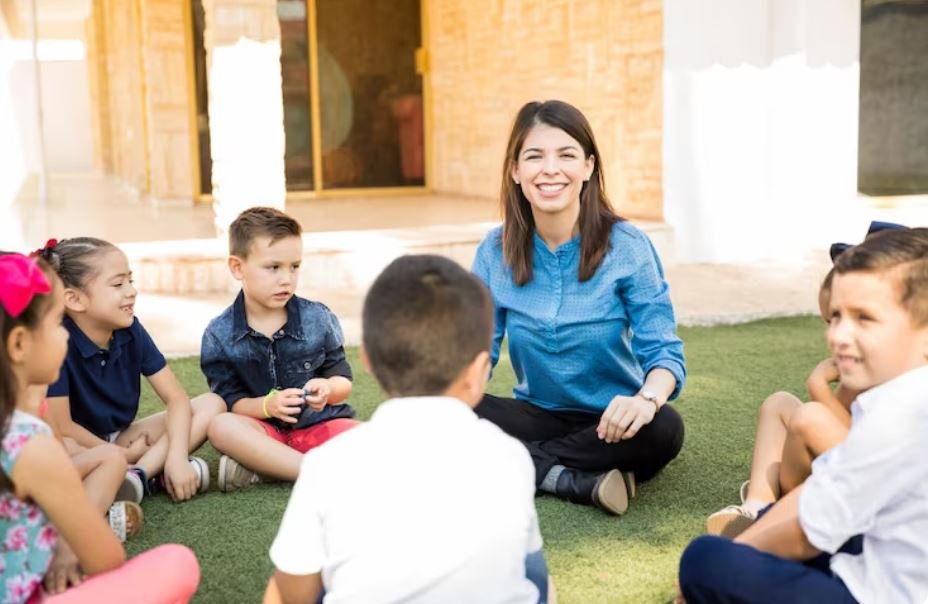
The Education Freedom Bill now poses a threat to that social compact. One of the most outspoken critics is Mercedes Mayol Lassalle, who was OMEP’s World President from 2020 to 2025 and is still a member of the executive committee. Her argument is straightforward: she argues that moving from a rights-based framework to one centered on personal preference runs the risk of abandoning the children who most need public institutions. Unlike a family in Palermo, a child born in a remote rural province or a low-income barrio cannot just “choose” a better school. That reasoning is not supported by the level of the playing field.
The context of this debate is what makes it particularly contentious. For years, the Confederación de Trabajadores de la Educación de la Río Argentina and other education unions in Argentina have been raising concerns about similar legislative actions. In 2015, CTERA opposed a bill that substituted the word “care” for “education” in early childhood policy. This semantic change was seen by educators as having significant ramifications. Referring to a teacher as a “care worker” fundamentally alters how professionals are trained, how systems are funded, and how seriously a society takes its duty to its youngest members. It now appears that the previous altercation was a practice run for this one.
Lawmakers in Buenos Aires most likely didn’t foresee the international dimension that OMEP’s involvement adds. Since 2022, the organization has been involved in UN initiatives to transform education. Under UNESCO’s auspices, it contributed to the drafting of the Tashkent Declaration on early childhood care and education. When Mayol Lassalle writes about Argentina’s predicament, she is speaking not only from the perspective of an Argentine educator but also from frameworks that have been approved by numerous governments, citing multilateral consensus and SDG targets. That positioning, which links a domestic policy dispute to Argentina’s own commitments on the international scene, is strategically astute.
Nevertheless, it’s difficult to predict if any of this will be sufficient. Argentina is under tremendous economic pressure, and reformers advocating for market-oriented solutions are gaining significant political traction. Recently, more than 1,200 education unionists from more than 150 countries gathered in Argentina to discuss the future; the meeting produced unity but offered no assurances. Whether collective organizing can surpass legislative timelines is the question that looms over everything.
As this develops, it is evident that the stakes go far beyond Argentina. The precedent is significant everywhere if a nation with one of the most robust public education traditions in Latin America can be transformed in this manner. OMEP is aware of this. Teachers who write open letters and pack conference rooms are aware of this. It’s genuinely unclear if the lawmakers writing the legislation are aware of this or give a damn. The most significant disputes in education occasionally take place outside of classrooms in the murky, procedural areas where laws are drafted and amended, frequently while no one is watching.
