

Anyone who considers how nations construct their futures should be concerned about this number. Despite making up about one-third of all children on the continent, only 6.5% of social spending on children in 26 African countries is allocated to children under the age of five. The vast majority of the remainder goes to older children. Mostly teenagers. When you take into account what decades of developmental research actually say about when investment matters most, this pattern appears reasonable on paper.
This picture has been significantly clarified by a recent wave of research associated with the World Organization for Early Childhood Education, or OMEP, and echoed by UNICEF and the Global Partnership for Education. According to the data, governments in Africa spend almost sixteen times as much on a fifteen-year-old as they do on a one-year-old. There is no rounding error in that ratio. It represents a structural decision that many economists and experts in child development now contend is subtly depleting educational systems’ efficacy from the inside out.
It becomes more difficult to ignore the effects of that imbalance when you walk into a primary school classroom in sub-Saharan Africa. By the end of primary school, only about 41% of kids in low- and middle-income nations have achieved minimum reading proficiency. Many of those pupils lacked the cognitive, social, or nutritional underpinnings necessary for formal education to begin with. Every day, educators must deal with the fallout as they attempt to instruct students who were never truly ready for instruction.
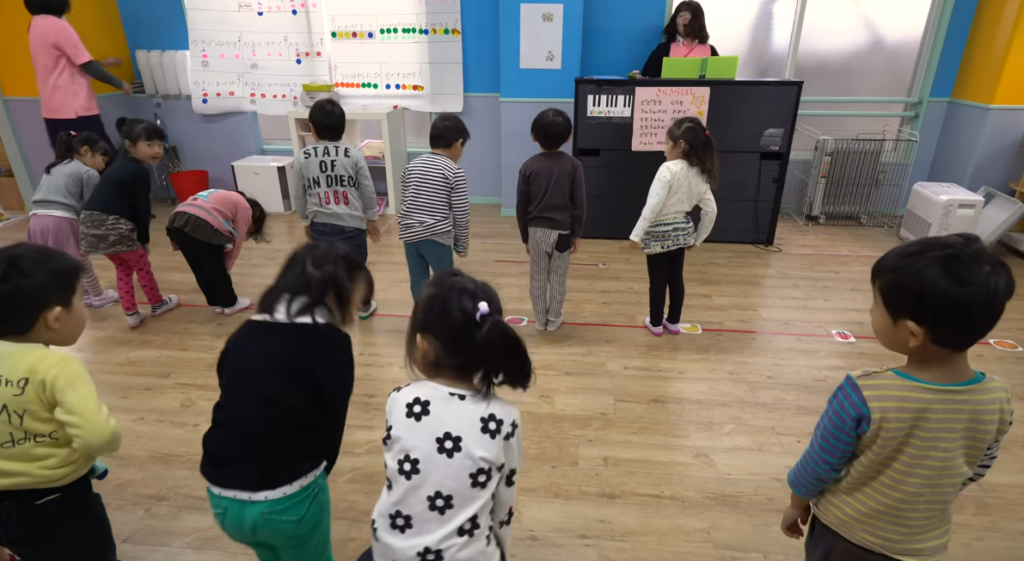
The time between birth and age five is a window that shapes everything that comes after, according to OMEP’s larger body of work, which includes sustainability education initiatives in Japan, Chile, Kenya, and dozens of other nations. From handwashing campaigns in Benin to early environmental literacy programs in Turkey, the organization’s research partnerships and field projects consistently come to the same conclusion: what happens in those early years determines what’s possible later. It’s not a metaphor. It is a quantifiable, recorded pattern. However, many low-income nations still treat the early years as a private family matter rather than a public investment issue when making spending decisions.
According to a paper published in the Lancet, the societal cost of not funding early childhood care and education programs is eight to nineteen times the cost of actually running them, demonstrating the staggering cost of inaction. In low- and middle-income nations, the cost of a single year of early childhood education for every child would be less than 0.15 percent of GDP. For what researchers describe as returns between seven and thirteen percent across lifetime earnings, cognitive outcomes, and decreased demand on the criminal justice and healthcare systems, that is a minuscule amount.
The conversation seems to be changing, albeit slowly. A number of GPE partner nations have started incorporating early childhood priorities into national reform plans, and the African Union declared 2025 to be its Year of Education. Early development is the focus of cross-ministry coordination between Malawi and Sierra Leone. Governments promised to end learning poverty by 2035 during the Africa Foundational Learning Exchange conference. It remains to be seen if those commitments will hold up during budget season.
It’s possible that inertia rather than ignorance is the true barrier. Once established, spending patterns take on a political significance of their own. There are vocal supporters of postsecondary education. Young children don’t lobby. As a result, the money continues to flow upward in age even as the evidence continues to point downward, toward the years when a dollar does the most and where it is currently being spent the least.
