

Those who work with young children and have seen this change happen in real time will remember a certain moment. Norwegian kindergarten kids aged four were asked to draw and play with adult supervision to show what they would like to see more of in their day. Almost all of them said spending time outside, telling stories, and making things with their hands. Their teachers knew this already. But the fact that they were asked in a formal, planned way changed how the school planned its week. In some ways, that small moment is a microcosm of what about 70 countries have been slowly and imperfectly trying to do with their policies for the past 30 years.
All of this can be traced back to 1989, when the Convention on the Rights of the Child was officially adopted by the UN. The document covers a lot of ground, from protecting people from being exploited to making sure everyone has access to education. One article, in particular, has had a life that is very complicated. Article 31 says that every child has the right to play, rest, and take part in artistic and cultural life. It seems pretty clear. It seems like something that doesn’t need to be said. Even so, it was quickly forgotten, and supporters have since called it “the forgotten article of the Convention.”
It is easy to see why that care was not taken. Signatories to the Convention have to report on how they’re implementing it every five years. When they do, most of them focus on the articles that seem to need to be dealt with right away, like child labor, healthcare, and protecting children from abuse. Play, on the other hand, might seem like a soft issue that should be handled by good parenting instead of government rules. It’s possible that for many lawmakers, putting leisure in a formal treaty meant little more than that. It turns out that decades of research on child development have quietly disproved that idea.
Play isn’t a break from learning, that much is clear from science. It is a lesson. Free time, creative games, and being able to make choices in the small but real world of a sandbox or a block tower all help kids develop cognitive flexibility, emotional regulation, and early problem-solving skills. Curriculums that were made without any input from kids often don’t include what they need at certain stages of development, according to more and more research. It’s clear that the kids aren’t experts in teaching. But they know a lot about being kids, and that knowledge is useful in ways that schools haven’t used it enough in the past.
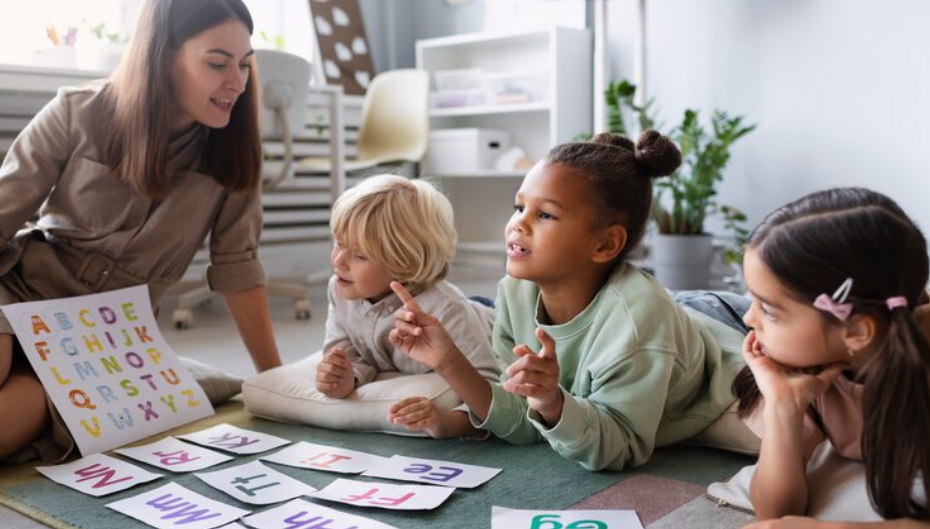
Article 31 is related to Article 12 of the same Convention, which says that children have the right to say what they think about things that affect them. It’s more radical than it might seem at first when you read the two articles together. They both say that children are not just targets of policy, but also actors in it. It’s interesting to see how governments deal with that idea. Some have really thought about it. Other countries used Wales’ national play policy as a model when they made their own in 2002. Others have said something about it in official documents but haven’t done much about it in real life.
Over seventy countries have made steps toward letting kids have a say in how their schools are designed, but they have done so in different ways and with different levels of sincerity. “Child participation” can sometimes mean giving structured surveys to seven-year-olds. In other places, it means really watching how kids interact with different learning settings and using that information to make policy. There is a big difference between these two approaches. It’s still not clear if most of the governments that are taking part are doing the harder, messier version or the easier, more streamlined version.
There’s no doubt that the conversation has changed. The idea that a toddler’s daily life should shape how institutions are built around them, not just how they are run, is becoming more popular in ways that didn’t seem likely even twenty years ago. It takes a long time and isn’t even close to being done. Although it seems that it’s really hard to stop listening to kids once you start asking them what they need.
