

A three-year-old is eating bear-shaped rice somewhere in the cafeteria of a Thai elementary school. A small bowl of sakuu piak khao pohd, which appears to be someone’s favorite dessert, is placed next to the tray. It consists of green tapioca pearls floating in sweetened coconut milk with corn. Not too long ago, a picture of this lunch appeared on a Reddit thread. People all over the world responded right away, which was a little awkward for everyone else: that’s better than what most adults eat for lunch.
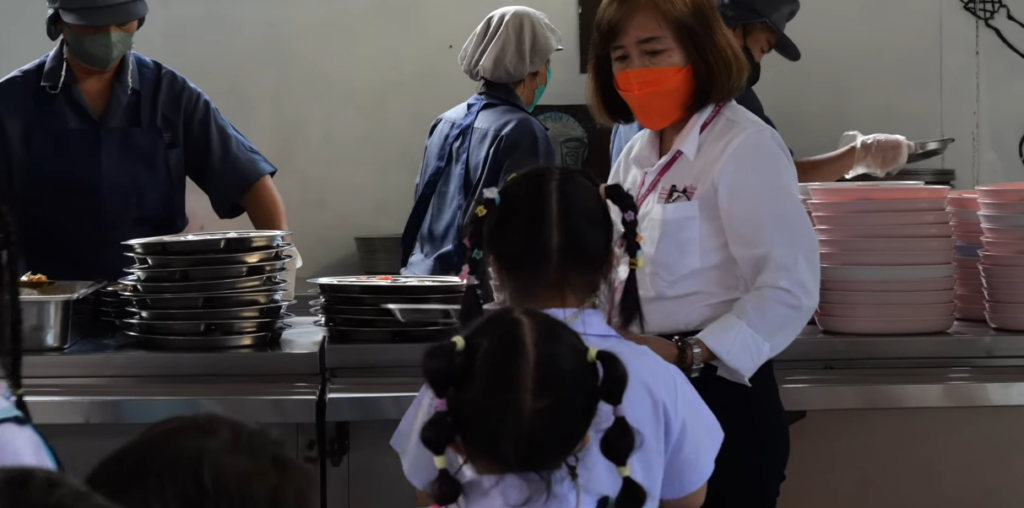
It’s difficult to ignore the gap. For many years, the government-funded school lunch program in Thailand has been quietly feeding kids all over the nation. It is run by a network of local cooks who use a government stipend to prepare fresh meals every day. These cooks are frequently women from the community and occasionally the mothers of teachers. The cuisine is usually authentic. Warm food, rice, vegetables, and protein. Sometimes a dessert that seems more appropriate for a restaurant than the school cafeteria. It’s truly impressive when compared to, say, a reheated frozen pizza on a plastic tray.
However, the meals’ numbers reveal a more nuanced picture. The budget for school lunches in Thailand was increased to between 22 and 36 baht per meal by 2024, or roughly 60 to 100 US cents, depending on the area. To put things in perspective, that is the amount of money needed to purchase a single item from a street food vendor. The quality gap between a well-run urban school and a poorly resourced rural one may be greater than the national average indicates, as evidenced by the ongoing social media backlash against some schools’ inadequate portions and poor quality. On that same budget, some kids have reportedly received meager portions of food. Both the depressing part of stir-fried bean sprouts and the bear-shaped rice are part of the same system.
The milk program has a lengthy history and operates alongside the lunch initiative. The Thai School Milk Program, which was started in 1992 in response to dairy farmers’ protests over excess unsold milk in the mid-1980s, currently benefits about 3.9 million children and costs the government about 14 billion baht a year. It’s one of those policy successes that simultaneously addressed child nutrition and agricultural surplus, but it has also brought with it a number of administrative challenges, such as the spoiled milk scandals that occurred between 2009 and 2018 and the ongoing disagreements over supplier quotas. The Cabinet authorized an emergency 800 million baht in 2025 to address UHT milk stockpiles and delivery delays. In other words, the program’s machinery is big and sometimes squeaky.
Thailand’s Anti-Corruption Organization brought up a comparison earlier this year that sharpens the budget debate. At least 2.5 billion baht was spent by Thai state agencies between 2016 and 2025 on study abroad excursions, including trips to France, Germany, Italy, and Japan, which detractors called “thinly disguised tourism.” That amount could have paid for over 100 million school lunches at a cost of 25 baht each. The organization’s secretary-general stated unequivocally that although there is money in the system, the school lunch budget is never quite sufficient. When you look at a picture of a young child eating rice shaped like a bear, it’s the kind of math that lands differently.
Observing all of this on social media and in policy reports gives the impression that the Thai school lunch program is sincerely attempting to accomplish something worthwhile, and that the difference between what it hopes to achieve and what it actually accomplishes greatly depends on where a child attends school. Warm, fresh, and carefully prepared are the best varieties. The worst versions serve as a reminder that sufficient funding and good intentions are two different things. If they are sincere, the majority of nations have the same issue. The rest of the world began to notice Thailand’s lunch trays because they were so visually appealing.
