

Each kindergarten teacher talks about the same part of the day in the same way. When a four- or five-year-old child comes in for the first day, it’s easy to tell which ones have had structured early learning and which ones haven’t. The gap isn’t about how smart people are. It has to do with exposure. Feeling sure. Being able to remain still long enough to listen to a story. Australia also saw that gap. It then chose to do something about it.
In Victoria, play-based kindergarten was expanded to include kids ages three and four. This is one of those policy choices that sounds small at first, but there is a lot of evidence behind it. The idea is simple: before kids start primary school, they should have two years of structured, teacher-led early learning. The outcomes from programs like this in Estonia, Finland, and Ontario, as well as Australia, show that this isn’t just a nice idea. It changes the way we think about the early years in a big way.
Take some time to read this science. About 90% of a child’s brain development is done by the time they are five years old. That’s not just a talking point; it’s a fact of the brain that affects everything from learning language to controlling emotions. The things that happen to kids in their first five years—the people they meet, the places they go, and the skills they quietly pick up—have an effect on them that lasts long after they leave school. The Mitchell Institute in Australia did research that showed kids who went to a good early education program for two years did better in reading, math, and social skills than kids who only went for one year. That’s a big difference. It’s one that keeps adding up.
The Victorian method is interesting because it doesn’t try to turn preschool into elementary school. The lessons will still be based on play. It is led by teachers, but kids are free to explore. There’s room for mess, curiosity, and the kind of learning that doesn’t look like learning at all until a child learns how to control their anger when they fail. There are smaller gaps in development between kids from different socioeconomic backgrounds in Estonia, where preschool is either cheap or free for kids as young as three. Finland’s program has benefits that last through adolescence. In 2010, Ontario doubled the number of hours its programs ran each week, and early literacy and self-regulation scores went up significantly. It’s hard to rule out the pattern that runs through all of these.
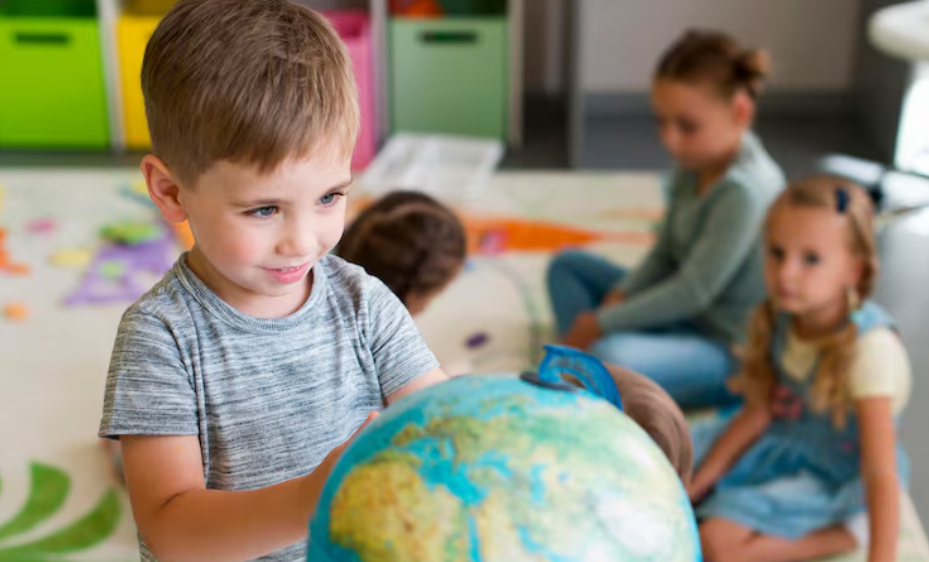
In contrast, the United States has had an uncoordinated, underfunded, and access-based system for many years. The number of pre-kindergarten options varies a lot from state to state and zip code to zip code, depending on whether a family can afford private options or lives close to a publicly funded program. There are some really great examples of state-funded pre-K programs that do really great things, but overall, there is a lot of inequality that starts long before a child even starts first grade.
In the U.S., opposition to a two-year kindergarten model may have less to do with facts and more to do with politics, cost, and a deep-seated cultural belief that formal schooling should start at age five and not any earlier. It makes sense to have that instinct. It also goes against what developmental science shows more and more. The first few years are not a place to wait. In a lot of ways, they are everything.
This does not have a clean policy import. Australia’s system is unique because it is based on its own culture, funding, and qualified early childhood teachers. Adding a year to American preschool wouldn’t help at all if we didn’t also talk about teacher training, access, and quality. But the main point—that two years of good early education are significantly more beneficial than one—is now backed by enough proof from numerous countries that ignoring it feels more like a choice than an oversight.
This year, the kids in Victoria who start kindergarten will already have learned how to learn for a year. That head start is less noisy than a grade. It lasts a lot longer, though.
