

Every year, a graduating senior opens a laptop, launches an online application portal, and begins filling out boxes that could alter the course of their life somewhere along the lengthy stretch of municipal roads that cut through Cavite. For many of them, that portal is owned by Cavite State University, or CvSU, a public university that has received more attention than its provincial address might imply in recent years.
The Academic Year 2026–2027 online application is now open, and based on the increasing discussion on student forums, this cycle appears to be one of the most competitive ones yet. The procedure is fairly straightforward: candidates log into the admissions system, encrypt their data, print the completed form on A4-sized bond paper, and deliver it to the Office of Student Affairs and Services along with a certified copy of their Grade 12 report card, a Good Moral Certificate, and a few 1×1 ID photos. The entrance exam, waiting, medical clearance, and, if all goes according to plan, enrollment at the University Registrar are the next steps.
It sounds simple. Sometimes it isn’t.
Some programs have grade requirements that are unexpected for applicants. A senior high school grade of 85 or higher in math, science, and English is required for engineering, architecture, and computer science. Notably, only students from the STEM strand are accepted into engineering programs. A GPA of 2.00 or higher with no failing grades is required for transferees, and the window for lateral entry closes after the first year for engineering students and after the second year for the majority of other programs. Examining the requirements closely gives the impression that CvSU is attempting to safeguard its academic standards as enrollment rises.
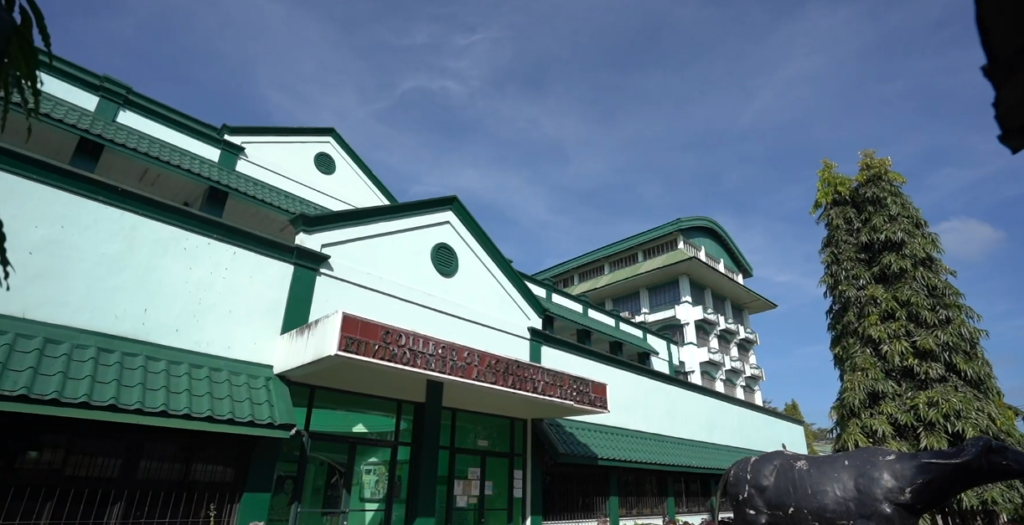
And they have grown. Today, CvSU has more than a dozen campuses, including Bacoor, Carmona, Imus, Naic, Silang, Tanza, Trece Martires, and others. Each campus has its own application deadlines and admissions announcements. The flagship programs are managed by the main campus in Indang, but campuses like Imus have established their own identities, organizing events like the National Journalism Seminar 2026 earlier this month. It’s possible that CvSU’s multi-campus structure contributes to its accessibility for students from all over the province who might not otherwise have a viable route to a state university education.
The issue of reputation has also changed significantly. In the 2026 World University Rankings for Innovation, CvSU came in at number 217, ranking among the top 100 in 16 different categories. Five years ago, few would have guessed that number for a Philippine provincial state university. Strong results were also obtained by CvSU in the March 2026 Licensure Examination for Professional Teachers, and the university’s engineering graduates have demonstrated noteworthy passing rates. It’s difficult to ignore how these results are beginning to affect how new students discuss the school—less as a backup plan, more as a conscious decision.
However, gaining entry is one thing. New freshmen frequently ask anxious questions in student forums about things like workload, commute distances, and which campus has better facilities. An incoming BSECON student acknowledged in a recent post that the course wasn’t even among their top three options, but they were approaching it with sincere curiosity in the hopes of using it as a foundation for law school. Many CvSU students seem to possess that kind of flexibility, the willingness to find a way forward even when it wasn’t the original plan.
Anyone keeping an eye on the Philippine state university system should be aware of CvSU’s slow but steady rise. Although difficult, the admissions process is manageable. There are particular requirements. There is actual competition. Additionally, the window for the upcoming academic year is currently open for students in Cavite and beyond.
