

Between a child’s first word and their first day of school, there is a time when something fundamental is either developed or overlooked. This has been known for decades by researchers. Most of the time, after nodding along at conferences, policymakers have returned home and taken very little action. However, there has been a gradual, nearly imperceptible change in the halls of education ministries on five continents. Additionally, it has its roots in an organization that the majority of parents are unaware of and that works in an area that most governments have historically undervalued and underfunded.
Convincing world leaders that the years prior to formal schooling are not a waiting room but rather the entire foundation is a task that Theirworld, the global children’s charity, has spent years working on. More than 50 countries have made some kind of commitment to their Act For Early Years campaign, which has garnered commitments from governments in Brazil, parts of Africa, South Asia, and other regions. It doesn’t seem like a coincidence when you look at the list of participating nations. It has the feel of a silent, well-coordinated push.
It’s important to consider the significance of this. The science is not brand-new. Researchers have consistently shown that a child’s cognitive development, emotional control, and capacity for long-term learning are shaped during the first five years of life in ways that are genuinely hard to undo. Working memory, concentration, and impulse control are examples of executive function skills that are mostly formed during this time. Because what works in California doesn’t always translate to Dhaka, Stanford researchers studying children in Bangladesh and Brazil have been creating new instruments to evaluate these skills across cultural contexts. That is a laborious task. It’s not glitzy. Articles about it aren’t going viral.
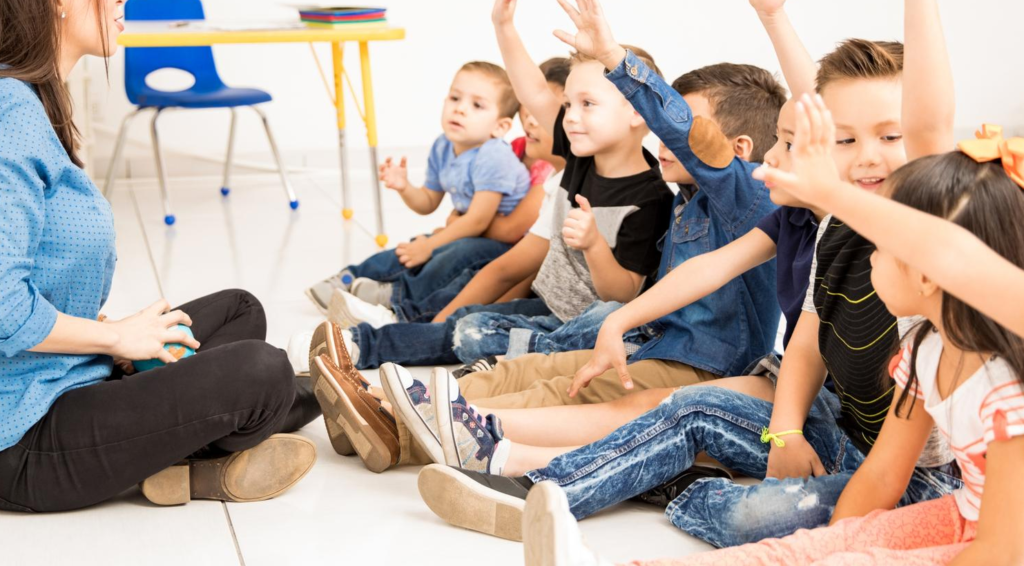
However, there has been an almost comical discrepancy between what the research indicates and what governments actually spend their education budgets on. Test scores, university access, and secondary school reform are the main focuses of national education funding. Nearly everywhere, early childhood programs—such as nurseries, preschool assistance, and parenting classes—remain chronically underfunded. There is a perception that the political will was lacking until recently. Young children do not cast ballots. Frequently, their parents are too worn out to advocate.
Theirworld appears to have realized that data alone won’t be enough to move forward. Momentum is the reason. Bringing Brazil on board is important not only because of what occurs in Brazilian classrooms but also because it alters the political landscape in Peru, Nigeria, and Indonesia. Global leaders who are observing from the sidelines begin to experience the strain of being excluded. It’s still unclear if these promises will result in ongoing budgetary commitments or if they will fade like so many other education promises have. To be honest, I think that skepticism is justified.
At the nexus of technology and early learning, something truly novel is also taking place, albeit with some challenges. With quantifiable improvements comparable to almost two years of education, personalized learning tools—the type being tested in India—offer genuine opportunities to reach kids in settings with limited resources. However, implementing those tools in early childhood settings calls for a completely different strategy than using them with older pupils. It’s not always a teaching moment when a five-year-old uses a tablet. Teachers, parents, and caregivers are examples of human relationships that cannot be replaced.
In the end, the global organization reshaping early childhood education is betting that governments will stop treating the early years as optional once they see the evidence and feel the political weight of peer pressure. It’s a big wager. It appears to be working in some areas. No one can yet determine whether the momentum will continue or if this will just be another chapter in the lengthy history of promising education initiatives that quietly lost steam. However, it’s difficult to ignore the fact that something genuine is stirring as this develops. It’s possible that the world’s youngest children are finally receiving the recognition they have long deserved.
