

A month ago, there was no drum kit in a classroom at San Jacinto Elementary. Kids are using a set of 3D literacy tools down the hall to make connections between letters and tangible objects. A student journalism studio at Liberty High School is beginning to take shape, complete with cameras and equipment—a setup more appropriate for a college program than a small Texas high school. This was not an accident.
The Liberty ISD Education Foundation made a $115,000 donation to the Liberty Independent School District Board of Trustees in April, which the Foundation describes as a record-breaking year. Every school in the district, including San Jacinto Elementary, Liberty Elementary, Liberty Middle School, and Liberty High School, received thirty teacher grants and four campus grants. The 48 teacher submissions and four campus proposals that competed for funding in a district where teachers obviously weren’t waiting for someone else to solve their problems told a story in and of themselves.
Observing this from the outside, it’s remarkable how precise the concepts are. This district won’t accept a one-time payment and ambiguous assurances of progress. A teacher is creating a food science-focused indoor STEM ecosystem. Introducing Micro:bit robotics to middle school students who have probably never touched a circuit board is another. In order to teach patient-centered care, a high school health class is conducting an aging and sensory simulation lab. These are not pilot programs taken from the playbook of a suburban district. They feel truly indigenous, which may be the reason they are successful.
The LISD Education Foundation’s Executive Director, Allie Smart, called this year “truly inspiring,” and when the statistics support that statement, it’s difficult to write it off as standard foundation rhetoric. a record quantity of applications. A record sum of money. programs that simultaneously address literacy, athletics, career and technical education, fine arts, and special education. The scope of it indicates that something genuine is taking place in this district’s culture; teachers aren’t merely applying for grants; they genuinely think they could be awarded.
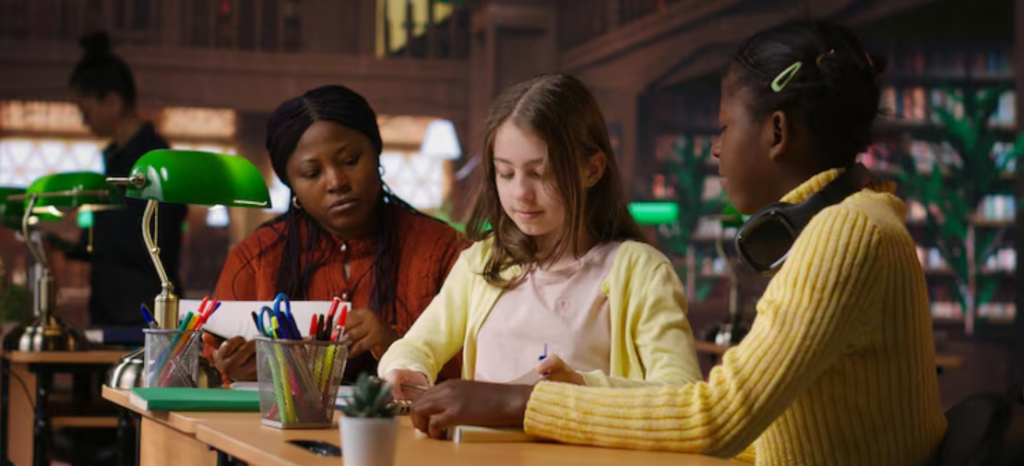
Limited local tax bases, smaller administrative teams, and the enduring belief that innovation exists somewhere else, in larger cities or better-funded suburbs, present a familiar dilemma for rural school districts throughout Texas. Silently, Liberty ISD is challenging that presumption. It’s still unclear whether a $115,000 yearly investment can maintain that momentum over time, and foundation fundraising—including a Casino Night event—will be more important than most people would like to acknowledge.
However, materials are currently being delivered to classrooms. The music room at Liberty Elementary has a contrabass bar. At the high school, a virtual reality mural project is just getting started. A child is learning to play chess somewhere at Liberty Middle School using a digital board that wasn’t there six months ago. Not every grant will end up the way the teacher had hoped. That is the unvarnished reality of innovation everywhere. However, there is undoubtedly movement here, and movement in rural Texas education is noteworthy in and of itself.
