

People who live in rural areas are very familiar with a certain kind of invisibility. It’s not exciting. No one tells anyone. It just builds up—in classrooms that aren’t getting enough money, in lessons designed for kids in cities, and in teachers who haven’t been trained to deal with the real world. A teacher in a small indigenous community once talked about how she used makeshift sign language to talk to her students since she didn’t speak Poqomchi’ or Q’eqchi’, the languages their students spoke at home. She wasn’t upset about it. She was just telling me about her day.
That fact has stuck with everyone who heard it. It also shows, perhaps better than any policy brief, what groups like OMEP (the World Organization for Early Childhood Education) are really up against when they go to areas that aren’t well served.
The Latin American Campaign for the Right to Education (CLADE) and local coalitions in Guatemala and Honduras worked together to create this project, which is now being carried out all over the continent. It does something simple that doesn’t happen very often: it goes to the communities first. To listen, make a list of the gaps, and then build something that fits. Not to show off a finished model. The project, which is funded by the Knowledge and Innovation Exchange of the Global Partnership for Education and will last until 2026, aims to produce real evidence, not just positive reports, about what inclusive community education can look like in practice.
The way this approach is put together is what makes it worth your time. A term used to describe this project is “Transformative Participatory Action Research.” This means that the communities being helped also help shape the intervention. Parents, teachers, the government, and school leaders all meet in the same room to talk about what the model should look like in their situation. Joint committees aren’t just for looks. They do their job. It’s more important than it sounds to make that distinction.
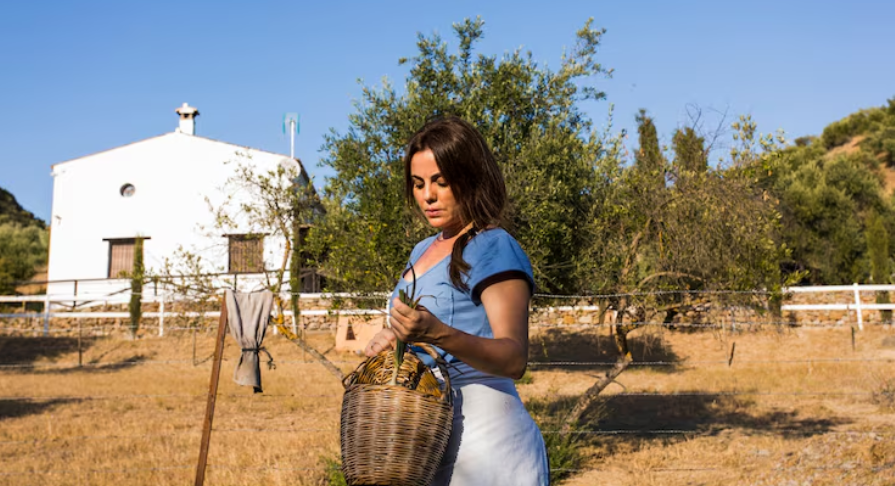
In October, the first field visits took place. Teams worked with schools in the municipalities of Santa Cruz Verapaz in Guatemala and Danlí and Yuscarán in Honduras. There are only a few hundred students and a dozen teachers, but that wasn’t the point at this point. It was touch. Making people trust you. Figuring out what’s really missing. And what they found was the worst thing they could have expected: bad infrastructure, no furniture that worked for everyone, and almost no teaching materials in native languages. There is a big difference between what policy documents say and what happens in those classrooms.
As you watch this kind of project grow, you get the feeling that the most important work isn’t being shown in the headlines. It’s being planned for the training sessions for school administrators. A study is currently looking into how rural masculinities affect caregiving relationships. This is a quiet recognition that early childhood education is connected to the families and cultures around it. It’s in the national policy reports that are being written to get these results into the places where decisions are made.
It’s still not clear if this model can be used in a meaningful way across the region. The time it takes for participatory approaches to work is something that institutional funders are not very patient with. Larger programs, on the other hand, tend to skip over building things like community trust, local capacity, and honest documentation of limitations in order to get more people to join.
The children in those classrooms who didn’t learn languages until recently probably feel like this work is moving too slowly. It takes a while. On the other hand, it points in the right direction for once.
