

Watching a five-year-old sort through a pile of trash can reveal some things about them. There should be no doubt or hesitation. Just knowing in your heart that putting the glass bottle in the wrong bin is wrong. The adults in the room are almost embarrassed, but in the best way possible.
OMEP, which stands for the World Organization for Early Childhood Education, has spent years looking into how young children can think about the environment. They have found more than just something sweet. It really is instructive. Children who are just starting to learn are not passively taking in messages about sustainability. They think about it, question it, and often do it more consistently than the adults who are trying to teach them.
It’s not as important as it might seem. It has been found that recycling habits learned as kids tend to stick. When kids are five years old, the things they do often stick with them into adulthood, sometimes even more reliably than habits people try to form later in life. Parents and teachers are slowly realizing how much it’s worth putting money into over that long period of time.
There’s a feeling that people have historically underestimated how much little kids can understand. Sustainability seems like an issue that should be dealt with by adults, like policymakers, engineers, and corporate boards. But a kid who learns to tell the difference between compost and recycling before they can tie their shoes is learning more than just a rule. They’re getting to know each other with consequences. For a curious seven-year-old, the ideas that actions have results, a worm bin makes soil, and an aluminum can turns into another can after sixty days are not abstract. They have more magic in them. And magic stays strong.
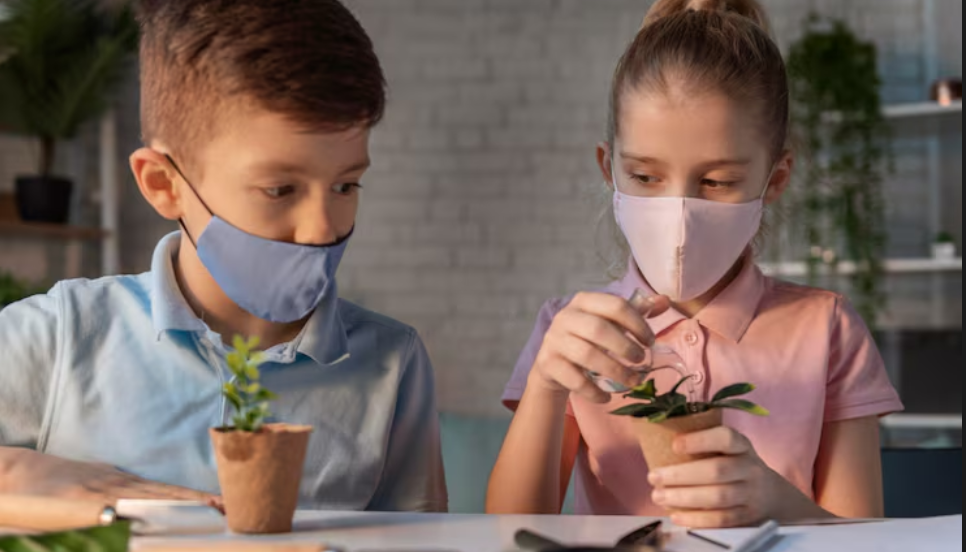
The little things in almost every preschool classroom that makes sustainability a daily habit will tell you a lot about the classroom. A box next to the door that says “donate first” is where old clothes go. There is a small compost bin next to the snack area. Every Friday morning, there is a “wonder walk” where kids are encouraged to notice things like a crack in the sidewalk pushing up a weed or a bird using a piece of plastic to build a nest. These aren’t big acts of kindness. They add texture to a school that cares about the environment without making it feel like a burden.
Ryan Hickman went to a recycling center with his dad when he was three years old. He had gathered more than two million cans and planned hundreds of beach cleanups by the time he was in his early teens. His story is different in size, not in how it ends. It shows an early moment of connection between a child and a cause, which is something that teachers have been trying to encourage for years. The question has always been how to make that spark secure, reusable, and easy to teach.
It’s still not clear which method will work best. There are kids who are more interested in composting than recycling. For some, the moment comes when they go thrift store shopping with a parent and realize that someone else will love the things they’ve grown out of. It’s likely that there isn’t a single way to get in, which is good news because it means there are opportunities everywhere. Going to get groceries. At a sale. Taking a walk in a nearby park while carrying a trash bag and gloves.
Parents and teachers often find out on their own that kids don’t need to be told that the environment is important: OMEP’s work continues to show this. If given the chance, they get there on their own. The tougher part is making sure the adults around them are still going.
