

There is a type of persuasion that doesn’t make itself known. It isn’t talked about in speeches or press releases. It works slowly, with data and time, until the case is so clear that people who make decisions can’t ignore it any longer. That’s pretty much what happened in Argentina with preschool education over the last 30 years, and the effects are still being felt today.
The World Bank gave Argentina two new projects worth a total of $1 billion in November 2024. Half of the money went to programs that help pregnant women and kids up to age four develop their skills. These include the Universal Child Allowance and the 1000 Days Plan. The other half focused on basic literacy to try to fix what the bank called a “serious learning crisis.” A third of sixth graders in Argentina couldn’t meet the minimum reading level, according to their own national assessment data from 2023. Almost half did not do well enough in math.
Those numbers are very interesting. But you have to go back further to understand how Argentina got to this point, both with the crisis and the billion-dollar fix.
From 1993 to 1999, Argentina’s federal government built 3,724 new preschool classrooms. Most of them were in poor areas that had been badly served for a long time. It was not a pilot project or a small-scale project. It was a nationwide expansion that added about 186,000 new spots for young children at a time when poorer areas almost didn’t have any preschool options.
It was hard to figure out the full effect of that work for years. The kids grew up, moved, and started working. It looked like the story was ending. After that, people from the Inter-American Development Bank looked into what had really happened to those kids.
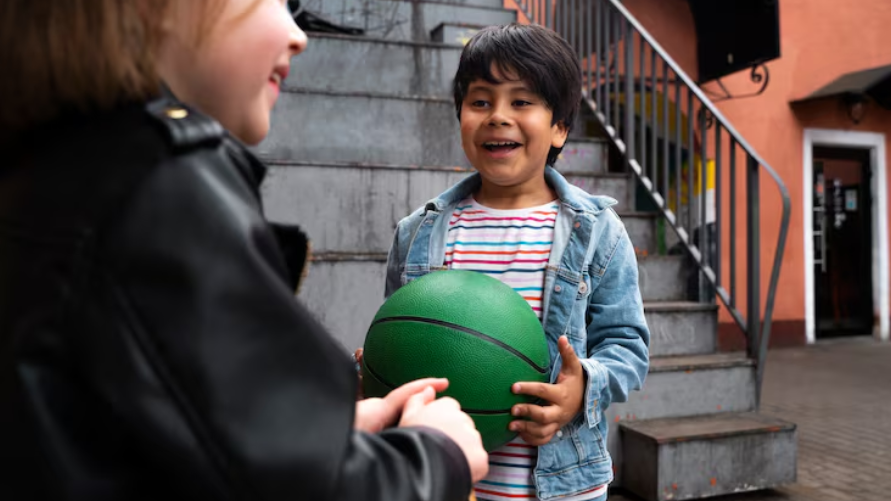
It was hard to argue with the results. For every extra preschool seat, there was an extra six months of schooling after kindergarten. High school graduation rates went up by almost 12 percentage points. Postsecondary enrollment went up by 7. Surprisingly, women who could go to preschool had smaller families afterward. On average, they had 0.18 fewer children, which is a 15% drop. The researchers linked this to the well-known link between a woman’s education and her choices about family planning made years or even decades later.
The program was almost too good of a deal when it came to saving money. After doing the math, it was found that for every dollar spent, about $11 was returned to society. This is called an internal rate of return of 13.44 percent. That’s the kind of number that makes finance ministries sit up and take notice when it comes to public investments.
Take a moment to think about this because the way it’s framed is important. What began as a welfare argument—that poor kids should be able to go to school when they’re young—evolved into something else over time. It turned into a debate about money. After that, a demographic one. And somewhere along the way, it became a quiet argument for national competitiveness: a country that doesn’t invest in its youngest citizens will pay for it in the long run with slower growth, less human capital, and more inequality.
That change in perspective is important. It’s possible that the World Bank’s $500 million pledge to early childhood programs in 2024 wouldn’t have worked out as planned without it. Donors and multilateral organizations pay attention to both evidence and how it is presented. When preschool was seen as a long-term economic asset instead of just a social good, it opened up new opportunities.
The problems that lie ahead are real. At the moment, only 8% of Argentine children younger than three use child care services. More than 800,000 pregnant women and 1.8 million kids younger than four will benefit from the new projects. We will have to wait and see if the implementation works in Argentina, which is a very political and geographically complicated country.
Even so, it feels like something has changed. The kids who went to those new schools in the mid-1990s are now in their twenties and thirties. They have more education, different life paths, and, for many of them, a better idea of their financial future than they might have had before. That’s not a little thing. That’s a whole generation.
