

In conference rooms where policy experts and educators sit across from one another and speak over one another, a certain kind of frustration quietly grows. The World Organization for Early Childhood Education, or OMEP, has spent the better part of the last ten years attempting to close that gap by advocating for something that, when stated out loud, sounds almost obvious: if the children who will actually live through 2030 and beyond are hardly represented in the framework intended to safeguard their future, the Sustainable Development Goals of the United Nations cannot be meaningfully achieved.
Whether the UN’s larger policy apparatus is prepared to take that argument into consideration is still up for debate. OMEP isn’t waiting to learn, though.
The organization works at the nexus of children’s rights, global climate accountability, and early childhood development, all of which don’t always receive comfortable attention. Ingrid Pramling Samuelsson, a former OMEP World President and senior professor at Gothenburg University, makes the clear argument that all 17 of Agenda 2030’s objectives have an impact on children’s learning, survival, and well-being. However, early childhood education continues to be chronically underfunded and is consistently portrayed as a soft social expense rather than a hard developmental necessity.
The argument is not made any softer by Pramling Samuelsson. She brings up the possibility of persuading the UN to dedicate a full ten years to early childhood education and development, which would, for the first time, firmly anchor children under five to the global agenda rather than viewing them as recipients who can wait. It’s a daring request. It is ambitious to the point of wishfulness, according to some. However, as the Covid-19 pandemic revealed how vulnerable societies become in the absence of a working early childhood infrastructure, the goal begins to resemble postponed pragmatism rather than idealism.
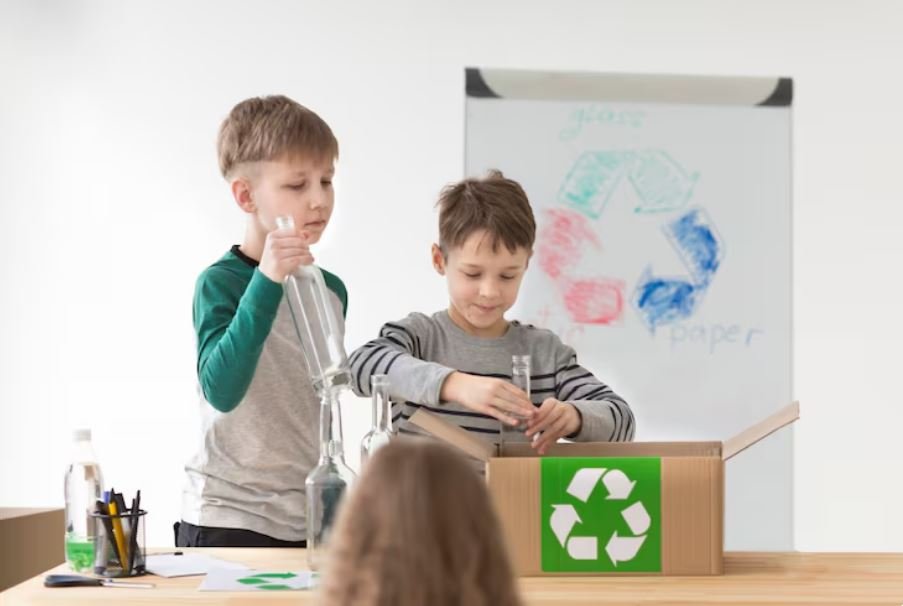
There’s a feeling that the evidence has been around for years and that data scarcity has never been an issue. There is a lot of research on the advantages of early childhood education for families, communities, and national economies. Putting children at the center of SDG policy is structural logic, not charity work, according to research published by organizations like UNICEF and WHO. Over the course of ten years, OMEP’s global projects have repeatedly demonstrated that young children can meaningfully engage with sustainability themes, such as empathy, environmental responsibility, and cultural respect, when educators approach those themes through play and authentic child-centered pedagogy.
The final word, pedagogy, is more important than it first appears. Research from academics like Pramling Samuelsson has greatly influenced OMEP’s stance, which holds that the how of early childhood education is just as crucial as the what. You can incorporate climate change into your curriculum. SDG posters can be displayed on the wall of a classroom. However, the content floats, unanchored, unless a child is experiencing rights and sustainability as lived everyday realities, such as how their classroom is set up, how their voice is heard, or whether an adult is truly receptive to their play.
OMEP’s push deviates from standard policy advocacy in this regard. They are requesting more than just a line in a UN document. They are pleading with governments and organizations to recognize that early childhood environments are sites of global change in and of themselves, and that the success of the SDGs is directly correlated with what takes place in a community center in Nairobi or a preschool in Buenos Aires. Donor governments and national ministries who are more at ease gauging results in terms of graduation rates and GDP contribution may find this framing problematic.
This push was rekindled at the 76th OMEP World Assembly in 2024, creating an opportunity to reevaluate and revitalize strategic objectives. In an effort to make this concrete in the classroom, initiatives like the OMEP-UK Early Childhood Education for Sustainable Citizenship Award, which was created in collaboration with Montessori Europe, give kids actual passports to record their sustainability journeys. Perhaps it’s a small gesture, but gestures tend to compound.
The more complex argument—the one that will take longer to prevail—is that developing nations that say they cannot afford universal early childhood education might be estimating the costs without taking the cost of not offering it into consideration. That reasoning is difficult to refute. Even more difficult to ignore.
