

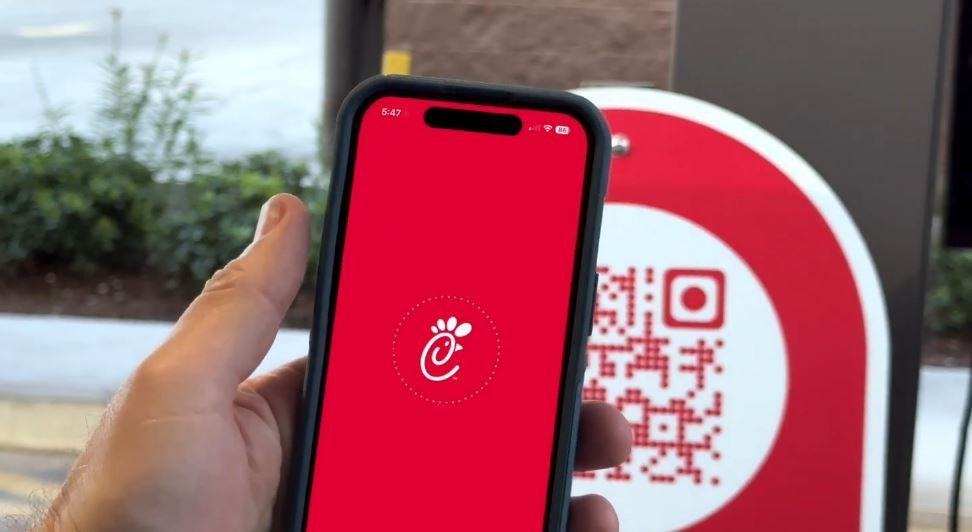
By all accounts, the Chick-fil-A One app is a huge success. Every day, millions of patrons scan it at the counter, trusting the platform with their names, addresses, payment information, and birthdays as they accumulate points toward complimentary sandwiches and milkshakes. It turns out that there was a weakness in that trust. Hackers gained access to several Chick-fil-A locations between June 17 and June 19, 2026. Credential stuffing is the practice of feeding stolen usernames and passwords from other breaches into a loyalty account until some of them were successful. The business claims to have learned of the incident on July 13. It wasn’t until July 20 that customers learned about it.
A federal lawsuit now includes that one-week lapse. Brian Williams, a resident of Texas, filed a class action lawsuit against Chick-fil-A Inc. in the U.S. District Court for the Northern District of Georgia on July 23. The lawsuit contends that the business did not sufficiently safeguard the financial and personal data of its loyalty members and that, in the plaintiff’s words, the delay in informing impacted clients was unacceptable. Williams claims that after learning about the breach, he spent time keeping an eye on his bank accounts and investigating the incident on his own—time he feels he shouldn’t have had to spend.
There is a wide range of data that could have been compromised. Hackers may have gained access to names, email addresses, phone numbers, home addresses, dates of birth, the last four digits of credit card numbers, and Chick-fil-A accounts, depending on what specific customers had stored in their accounts. One membership number, mobile pay details, account balances, and QR codes. At least 2,221 individuals were directly informed, according to state filings examined by Dapeer Law, P.A., a firm currently looking into a possible separate class action on behalf of Texas and Massachusetts clients. The true number impacted might be greater.
Credential stuffing is not a particularly novel or advanced attack technique. For years, cybersecurity experts have cautioned businesses about it. The idea is straightforward and, regrettably, successful: people frequently use the same passwords on different websites, so if they appear in one breach, they frequently function elsewhere. In essence, the lawsuit contends that Chick-fil-A ought to have implemented more robust security measures to identify and prevent this type of automated attack, such as requiring multi-factor authentication, flagging suspicious access patterns, or limiting login attempts. The courts will now have to determine whether the company’s security measures complied with a reasonable legal standard.
Four areas are covered by the legal claims in the Williams complaint: unjust enrichment, implied contract violation, negligence, and a request for a declaratory judgment mandating that the business enhance its security procedures. The plaintiff is requesting restitution, at least ten years of credit monitoring for each member of the impacted class, and compensatory and punitive damages. A formal response to the complaint has not yet been submitted by Chick-fil-A.
Here, it’s difficult to ignore the timing. This lawsuit coincides with another federal data breach lawsuit filed in Atlanta against Coca-Cola and its Fairlife brand. In the same summer, two of Georgia’s most well-known consumer companies were under comparable legal pressure. There’s a feeling that consumers are more inclined to pursue data breach accountability in federal courts.
After learning about the breach, Chick-fil-A took swift action. In addition to removing stored payment methods, restoring compromised loyalty balances, and encouraging customers to use unique passwords and keep an eye on their statements, the company also forced impacted users out of their accounts. It expressed regret for the inconvenience and reaffirmed its commitment to earning customers’ trust in a public statement. These are the appropriate answers. The legal system is now responsible for determining whether they were sufficient or arrived in a timely manner.
