

On the surface, this moment seems unremarkable, but researchers now think it has a great deal of significance. A parent picks up a sobbing baby, looks them in the eye, and speaks in a gentle, meaningless tone. The infant falls silent. One of over a million connections in the brain will fire in a single day. Perhaps four seconds pass. Furthermore, decades of scientific research have shown that it is far more important than nearly anything else that will occur in that child’s career, education, or health.
The first five years of a child’s life have traditionally been viewed as a sort of warm-up period; these are the years before school, before real learning begins, and before anything that could be considered consequential. It is getting harder to defend that viewpoint. Over the past 20 years, research in neuroscience, developmental psychology, and longitudinal studies has produced a completely different picture, one in which the early years are the foundation of development rather than its precursor. And once established, it is challenging, but not impossible, to change that foundation.
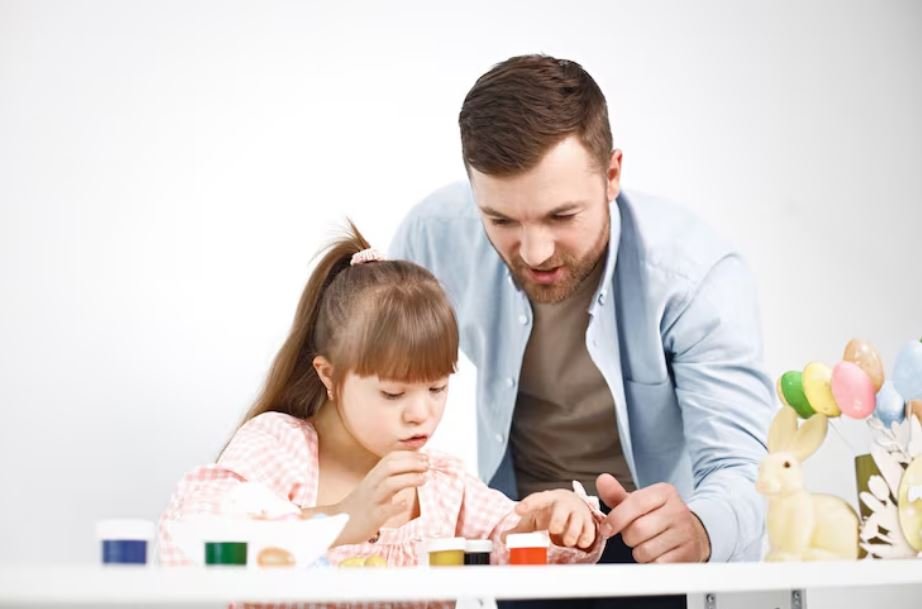
It’s worth taking a moment to consider the numbers. The brain of a newborn is about 25% smaller than that of an adult. It has reached roughly 80% of its adult size by the time it is three years old. It is ninety percent there by five. In the early years of life, the brain is creating connections at a rate that will never be seen again—at least a million new neural synapses are formed every second.
Language, emotion regulation, problem-solving, attention, and the ability to build trustworthy relationships are all governed by the architecture being constructed during those years, even though different regions mature on different timelines. Later on, that architecture can be expanded upon, but rewiring it gets increasingly more difficult.
Although genes play a role, genetics is not the primary factor that shapes that architecture. Experience is what it is. In particular, it refers to how well a young child interacts with the adults in their life. A mechanism known as “serve and return” is described by researchers: when a baby coos, the caregiver reacts; when a toddler points, the parent names the object; when a child cries, the adult looks into it. In the strictest neurological sense, each of these interactions is a construction event. This back-and-forth is not just a way for parents to calm their kids. They are constructing circuitry. A child’s brain develops in a way that is measurably different from that of a child who does not receive warm, responsive care.
It’s difficult to ignore the extent to which contemporary parenting anxiety is misdirected. Academic enrichment programs, structured activities, screen time debates, and the competitive early education machinery all receive a great deal of cultural attention. These things have significance. However, the evidence consistently points to regular, attentive human interaction, which is simpler and more difficult to commercialize. conversing with a baby before they are able to react. telling a story about your breakfast preparation. allowing a two-year-old to run a pointless game while you sit on the floor. It turns out that the curriculum is the ordinary texture of everyday life.
Additionally, the research suggests something less cozy. Chronic stress, poverty, conflict exposure, and neglect are examples of early adversity that have an impact on a child’s mood and behavior. It alters the developing brain in ways that can last for decades and manifest later as challenges with learning, emotional control, physical well-being, and financial security. Research has connected early childhood conditions to a variety of outcomes, from middle-aged cardiovascular disease rates to academic performance. Most people and most policies have not been willing to admit the extent of the long shadow cast by the first five years.
Fatalism shouldn’t result from any of this. Supportive relationships can be therapeutic at any age, and brains are still plastic. However, developmental science makes the case that early childhood is disproportionately important, which should alter how families, organizations, and governments decide how to allocate resources and attention. In a significant way, a society is lagging behind if it doesn’t take child development seriously until kindergarten.
Growing research indicates that early childhood investments yield returns that are nearly unmatched by other social interventions, not only for individual children but also for the communities in which they are raised. What transpires during the first five years, whether on the floor of a living room, in a backyard, or in a tiny apartment, has long-lasting effects.
