

It doesn’t seem like Linda Vista Road would be the site of a horrible incident. It’s sloping, narrow, and lined with the kind of student housing that fills up in August and vacates in May. However, that section of road close to Goshen Street was the scene of an accident early on Wednesday morning at around 1:30, leaving a portion of the University of San Diego community in a state of stunned, silent grief.
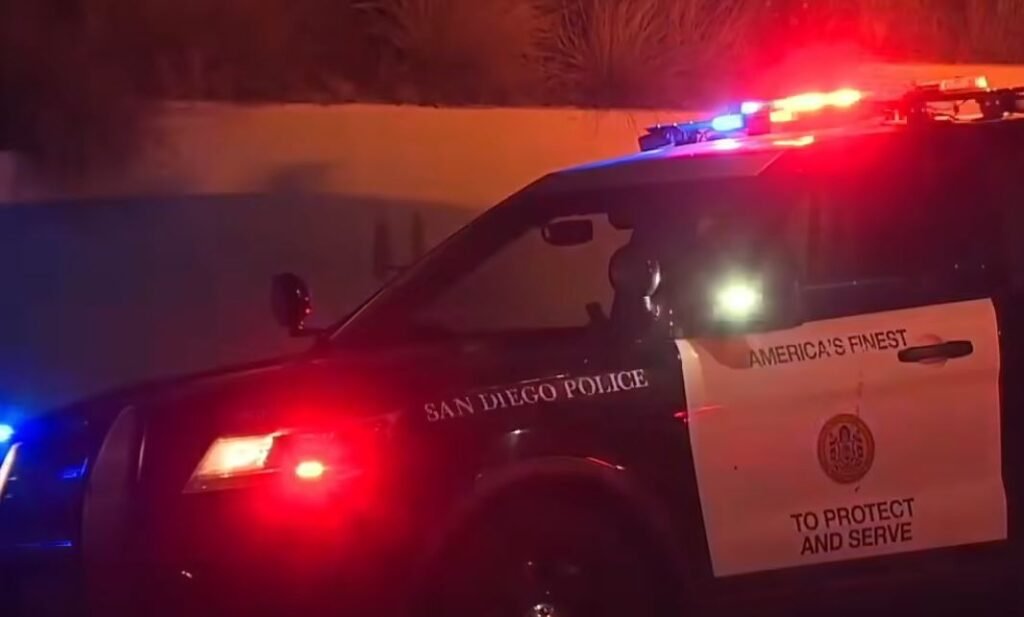
A San Diego police officer felt an impact while traveling downhill and west in a marked patrol car. He pivoted the vehicle. A man in his early twenties was lying in the road; his identity was withheld for hours out of consideration for a family that had not yet been informed, but it would later be confirmed that he was a USD student. He was taken to a nearby hospital as soon as the medics arrived. According to SDPD, he passed away there at approximately 3:35 a.m.
The ambiguity of police statements following such incidents is especially unsettling. The SDPD spokesperson in charge of the case, Lt. Cesar Jimenez, stated that it is still unknown why the student went into the road. He refused to confirm whether the man might have been hit by another car before the officer’s car arrived, a detail that, if accurate, would completely alter the plot. The complete picture might not be revealed for weeks as investigators continue to work through it.
The location’s geography is undeniable, which is where this story begins to feel less like a singular incident and more like something that has been developing for some time. Linda Vista Road is described by local students as a corridor that is frequently walked and jaywalked; it doesn’t seem to matter whether it is 2 p.m. or 2 a.m.
According to Cole Shepard, who lives near the crash site and uses the road every day to get to the stairs leading up to campus, there is regular pedestrian activity there at all times, frequently involving students returning from late nights in the library. Other students have also noted that there isn’t a designated crosswalk that connects that section to the main campus road. How many near-misses occurred on that hill before this one didn’t end up being a near-miss at all is an obvious question that no one seems eager to address just yet.
Shepard wasn’t speaking as a witness to a policy failure, so his account has a different kind of weight than the official statements. He was talking as if he had lost a friend. He claimed to know the student personally because they had taken a class together and lived next door in the dorms as freshmen. That same first year, his roommate had been the victim’s roommate. It’s the kind of information that makes a wire-service crash report truly resonate with you. This kind of grief doesn’t confine itself to a single dorm or friend group at a university the size of USD. It spreads through class rosters, housing chains, and people who only met the student at a party but are still grieving.
The university, for its part, released the kind of cautious statement that organizations make during these times: it expressed regret, withheld identifying information, and referred further inquiries to the police. It’s common, and perhaps even essential, but it can seem insignificant in comparison to the specificity of losing a person you shared a bathroom with when you were nineteen.
While the Traffic Division and Collision Investigations Bureau worked the scene, San Diego police blocked Linda Vista Road between Brunner and Goshen for several hours. There were no injuries to the involved officer. The patrol car was towed by 6:30 a.m., and traffic resumed as if nothing had happened there hours before.
It’s important to remember that SDPD has previously come under fire for expensive settlements related to incidents involving police, and this background will probably influence this investigation regardless of whether it is ultimately pertinent in this case. It’s difficult to ignore how frequently it takes a death for a city to take a serious look at a street that its own citizens had been warning about for years, regardless of whether this case ends with a finding of fault, a push for new crosswalks, or just more questions than answers.
