

A two-year-old is sitting on a floor mat in a classroom in Lagos right now, looking up at an adult who wants to help but doesn’t know how. That adult hasn’t failed. They just never learned how to do it. That’s the problem OMEP has been working hard to solve in secret for decades. In the last few years, the group has begun to think more broadly about the issue.
The OMEP, which stands for “World Organization for Early Childhood Education,” works in almost 70 countries. With the help of governments, researchers, and practitioners, it shapes how kids from birth to age eight are taught and cared for. It’s really trying to do a huge amount: getting resources, policy support, and professional training together to get preschool teachers all over the world ready before the Sustainable Development Goals deadline of 2030.
That due date is important. The SDGs’ Target 4.2 was made public in February 2016. It asks countries to make sure that by 2030, all girls and boys have access to high-quality early childhood development, care, and pre-primary education so they are ready for primary school. While reading, the sentence makes sense until you consider what it really means: every community, even the poorest and most remote ones, needs qualified teachers.
OMEP has been working on this in small steps. In Nigeria, some students made cheap learning materials to help teachers who were working with tight budgets. In Kenya, OMEP helped set up a national committee to help early childhood work in the region. Following natural disasters in the Philippines and Japan, the group helped with relief efforts that included restoring classrooms for young children. These projects aren’t very exciting. They’re methodical, tailored to the situation, and based on what the community really needs, which is likely why they work so well.
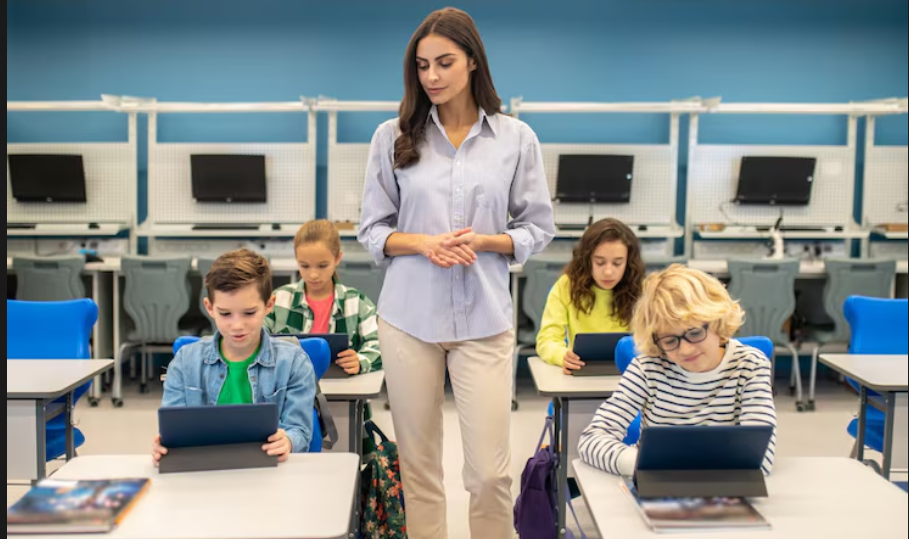
The question of how to train teachers is at the heart of everything. A resource bank backed by UNESCO was made possible by OMEP’s work on Education for Sustainable Development, a framework that links early learning to bigger social and environmental issues. The database has research papers, policy documents, lesson plans, and useful tools for people who work with young children, train teachers, make policy, and lead communities. It is thought that getting good information shouldn’t depend on where you live or what institution you belong to.
Being honest about how hard this is is important. It’s not a problem of logistics to train a million preschool teachers in dozens of different countries, using different languages, different rules, and very different funding situations. It’s really a dozen problems that don’t fit together well. The way OMEP works with university partnerships and national committees is helpful, but progress isn’t always smooth. There are different levels of progress in different areas, and political will changes over time.
Still, the group seems to understand something that many people who want to change education don’t: that the early years are not a secondary issue. OMEP fought hard and was successful in getting early childhood development written into the global development framework for after 2015. That required a lot of hard work and real political skill. It’s the kind of work that doesn’t get noticed because it takes place in meeting rooms and policy drafts, not in the news.
The fact that the infrastructure for resources is starting to take shape is a quiet sign of hope. The UNESCO Early Childhood Resource Bank is still growing. It will be updated four times a year with new resources from OMEP members around the world. It’s not enough to teach a million people. But it gives teachers, trainers, and people in charge of making decisions something real to work with, which is where most real change begins.
