

Between learning to point at a dog and learning how to stack three blocks without them falling, there’s a moment when something important takes place. A lot of adults just walk right by it. It took policymakers longer than it should have to notice it. But research has been going on for decades and keeps coming to the same tense conclusion: the first few years are more important than almost everything else.
Researchers at the Harvard Kennedy School and economists who work with them have put in a lot of work trying to figure this out. Estimates show that investing in good early childhood programs can pay off seven times or more over. These numbers are often used in policy papers but not at all when budgets are being discussed. It’s possible that one of the biggest problems with modern social policy is that it doesn’t always match up with what the evidence says.
The picture of development isn’t that hard to understand, even if it gets lost in academic language sometimes. During the first five years of life, kids’ brains do something very strange. People are making connections at a speed that will never be seen again. Learning a language, controlling your emotions, and solving simple problems aren’t skills that are fully formed by the time you start school. They are built up one layer at a time through play, interaction, repetition, and adults who pay attention and respond. It doesn’t seem important to watch a toddler learn about cause and effect by dropping a spoon off of a high chair tray six times. It’s not.
AEPS-3 is a linked assessment and curriculum system that is used by early childhood programs. It shows how finely this growth is happening. From birth to age six, progress doesn’t always look like progress. A child is moving when they start to notice sounds around them or when they can play with another child at the same time without running away. Little moves are being made. They’re also very important. Better results are usually seen with programs that can track these small steps and change what they’re doing accordingly. From what we can tell, that much is pretty clear.
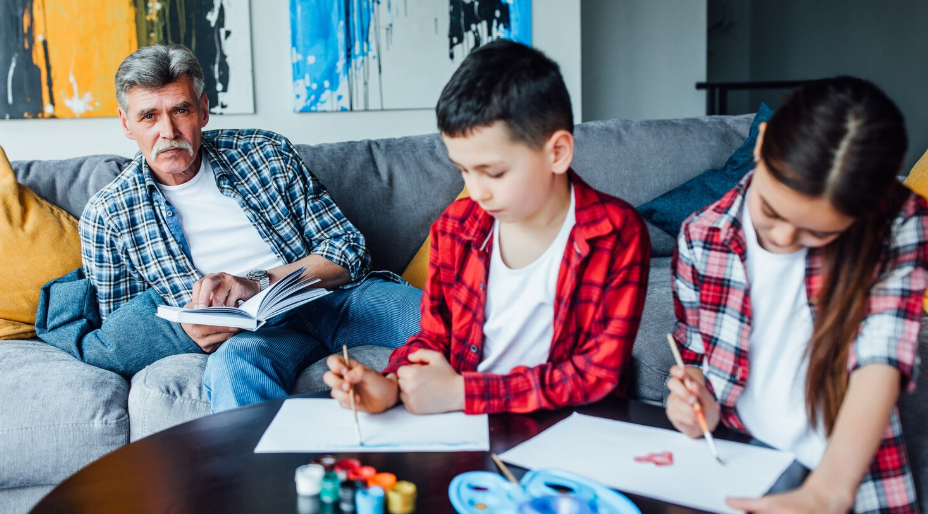
It seems like the social and emotional part is the one that is most often overlooked. Parents worry about their kids’ ability to read, count, and recognize letters, so cognitive development gets a lot of attention. But being able to control your anger, understand how another child feels, and keep your mind off of something long enough to finish a simple task are all executive function skills that are at least as good at predicting how well you will do in school later on as academic pre-skills. Maybe even more so. There has been a lot of research on this topic, so it’s hard to say that it’s just a trendy idea.
It’s still not clear if the evidence is catching up with political will. Some places have significantly increased funding for early childhood education. Some people keep thinking of pre-K as a luxury instead of an investment in the future. James Heckman, an economist at the University of Chicago who is one of the most quoted people on this topic, has said over and over that the return on investment is especially high for kids who are already struggling, and that waiting to get help makes it more expensive to catch up. The point of view is not vague. It hasn’t fully landed either.
In the end, it comes down to this: the systems and programs that help kids in these early years—the ones that track their speech and motor development, help their caregivers, and make learning fun—don’t cost much compared to what they stop. When a child starts kindergarten, their path is very different from that of a child who doesn’t know how to control their emotions, follow a two-step direction, or interact with their peers. It costs money to learn those skills early on. In the long run, not building them costs more in ways that are harder to track down and fix.
The fact that all of this is well known and is only slowly being put into practice is almost frustrating. The window doesn’t stay open no matter what. That’s what makes the time feel so important more than anything else.
