

In a perfect America, every student, no matter where they live, comes to school ready to learn about AI and be able to question it, work with it, and maybe even make something with it. Wright State University in Dayton, Ohio, is putting $2.5 million on the idea that this kind of America is possible. It’s a big idea that needs to happen now.
The project, which has federal funding, aims to close what more and more teachers are calling the “rural AI education divide.” This is the growing gap between students in well-resourced urban and suburban schools and those in rural areas where teaching advanced computing has been ignored for a long time. In states like Ohio, where small towns and farms are only a few miles from mid-sized cities, this divide is real. In terms of career paths, college readiness, and who works in tech and who doesn’t, it shows up.
The push at Wright State is part of a bigger national conversation. Institutions and federal agencies all over the country have started to accept that AI isn’t going away; it’s already here and changing the way we hire people, make things, provide healthcare, and farm. Programs like the NSF’s LEVEL UP initiative have already started to change the way undergraduates learn computer science by getting hundreds of community members to talk about issues like hiring, keeping students, and fairness. A lot of researchers and teachers are worried that the students who are least likely to be reached are those who live in rural areas, where there aren’t many teachers, broadband can go down, and there isn’t often any advanced coursework in computing.
Wright State’s approach is interesting to look at because it aims to reach people in many places. The area around Dayton is an interesting one because it is close enough to Columbus to feel the pull of the tech economy but far enough away from places that are still recovering from decades of industrial decline. In a practical, as well as a policy sense, it seems like the university knows what’s at stake. The teachers there have seen what happens when economic change skips over an area. While making things, they saw it happen.
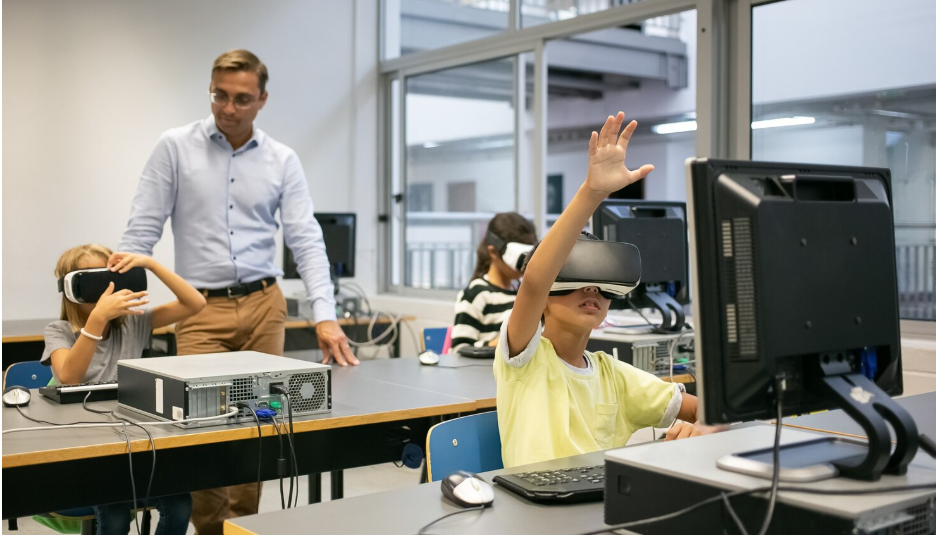
It’s still not clear how the program will grow and whether rural school districts, which are already very busy, will be able to handle new curriculum frameworks. These are not small questions about logistics. Adding AI classes to a high school in a wealthy suburb is one thing. It’s a whole different thing to do it in a district where two teachers teach every STEM subject.
The money is still important. Large-scale projects can’t go forward without it. Even though $2.5 million isn’t a lot of money for federal research, it’s enough to make lessons plans, train teachers, and test programs in several districts. The model could be used in other states with similar gaps in education between rural and urban areas if it works. These states could include Appalachian Kentucky, rural Mississippi, or the agricultural flatlands of the Central Valley.
All of this has a quiet irony to it. People who grew up outside of big cities helped build Silicon Valley. They were the tinkerers and problem-solvers who came from places that no one in tech bothered to look twice at. If we don’t do anything about the AI education gap in rural areas, it could limit the number of people who can shape what AI becomes. That would be bad for each technology and for the towns that use it.
That’s not what Wright State says it can do. They’re trying very hard to deal with one part of it, though. These days, most of the attention is on big research universities and AI labs that cost billions of dollars. That kind of dedication at the local level should be more than just a footnote.
