

When people talk about changing the way schools work, they often make the strange assumption that the answer is on a screen. New platform, new app, and a new AI teacher. It’s not often brought up in the debate whether students are missing something that code can’t make. Epic Theatre Ensemble, an arts group in New York City that has worked in public schools for 25 years, is making exactly that case—quietly, repeatedly, and with numbers to back it up.
Epic didn’t start out with a plan. It began in the aftermath of September 11, 2001, when a group of teaching artists got together to use performance and stories to help young people deal with their grief. Since that painful moment, something more lasting has grown out of it: a model for arts education that makes creativity, empathy, and human connection the core of what school should do, not just extra items.
Through long-term residencies, the program works with about 3,300 students a year in public schools in New York City, bringing theater techniques into English Language Arts, Social Studies, Science, and Math. Students write, perform, and give feedback on each other’s work, making it a reflection of their own lives and communities. In the spring, high school students from all five boroughs of New York City rewrote and performed Shakespeare’s Twelfth Night on a professional stage at the A.R.T./New York Mezzanine Theatre. They did it in their own voices, mixing the original comedy with themes of belonging and modern city life. Everyone was welcome to watch the show for free.
There is no way to ignore the results. Students who take part in Epic’s summer and after-school programs are 40 to 50 percent more likely to go to college than their peers in the same age group. 95% of those who do sign up actually go to school, and 84% of those who do stay enrolled. That’s about four times the rate of students in the same group who didn’t take part. These aren’t statistics on enrichment. They look more like data from an intervention.
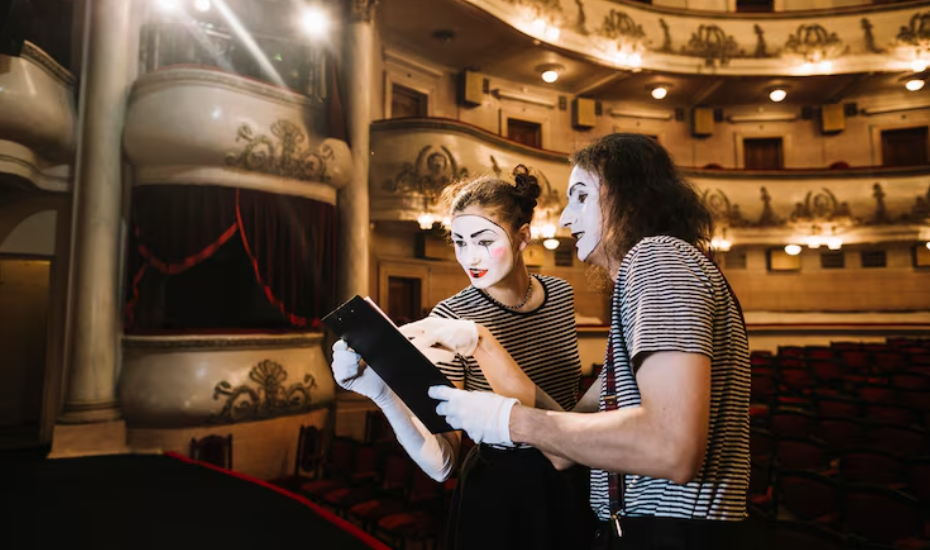
Epic co-founder James Wallert talks about this in terms of “evergreen skills,” which are skills that don’t go away when the job market changes or a new technology takes over a task. Being interested, working together, caring, brave, able to tell a story, and accepting constructive criticism are all important traits. Wallert has pointed out that “AI can’t copy any of these qualities.” Before you look at the graduation numbers, that might sound like a nice idea. Then it sounds like a plan for the curriculum.
Erik Booth, an arts educator, puts it in a more concrete way: you don’t really have a reader until you find someone who needs to understand the world right away and turns to literature for answers. You don’t have a writer until someone really needs to say something. In this view, the arts set the stage for the so-called basics to happen in the first place—not as a side track, but as the ground beneath everything else.
Epic’s youth ensemble created their newest touring show, The Next Bell, which has a line that keeps hitting home with audiences: “Fascism loves alienation, and alienation hates belonging.” Someone made this blunt statement from a group of young people who know what it’s like to be cut off from public life. Co-founder Melissa Friedman calls it the “Ummm” moment, which is when everyone in a room feels the same thing at the same time. It’s not a measure. Also, it’s not nothing.
Watching all of this happen, it seems like the supposed conflict between the arts and academics was always a lie—a budget argument posed as a debate about how to teach. Epic has been arguing for 25 years that more screen time and smarter software don’t make people better writers, thinkers, or citizens who are connected. They come out of being in a room with other people, telling the truth, and being heard.
