

In education reporting, there is a certain kind of silence that sets in when the people who will be most affected by a policy are not allowed to say how it really feels. Stories about public schools were mostly told by adults for a long time: administrators, policy experts, union reps, and sometimes parents. The students showed up as numbers or short, well-chosen quotes. A lot of the time, students in special education didn’t even show up.
These are the gaps that the Seattle Times Education Lab has been working to fill in the background since 2013. They became more visible in 2015, when they started a program called Student Voices.
The idea behind the program isn’t hard, but it’s really hard to run. High school and college students who have been to public schools in Washington are paired with editors from the Seattle Times who help them through the whole process of reporting, from pitching to writing to revising to publishing. The stories are in print and on the web. The students choose what to write about. Their writing sounds like them. Editors make sure the text is clear and correct, but they don’t change the point of view.
What has grown over the years is a body of journalism that is different from most business news. One student wrote about how upset he was that his school didn’t teach him anything useful about money. It was seen by someone. People in the community responded so strongly to the piece that Education Lab decided to make a series out of it: columns from community members about money issues. From the outside, it’s hard to make that kind of ripple effect happen without first hearing about it from a single student.
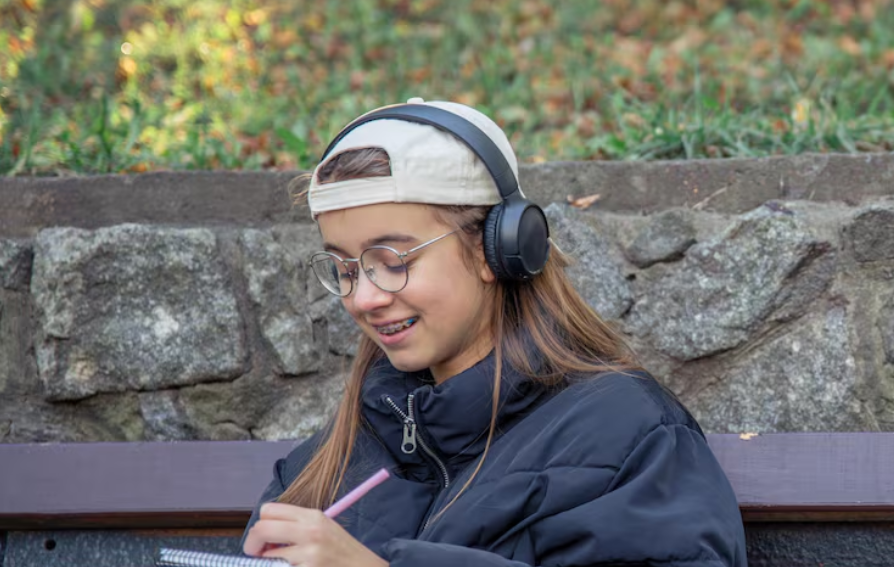
The Seattle Times’ decision to add special education to Student Voices shows that the paper knows that some student voices have not been heard enough. Students with disabilities, students who are homeschooled, and students who have been in jail or have had trouble finding a place to live have complicated and often misunderstood relationships with public schools that are rarely explained in mainstream media. Ed Lab has been trying harder to get people from these groups to join, but organizers admit that reaching out to them is still a problem that needs to be solved.
How it deals with risk is something the program does well that is easy to miss. When their work is made public, young reporters can really be hurt, especially if they write about private or sensitive events. The disclosure process has been built into Ed Lab. Before a student told editors that they were transgender in a story, they worked with them to figure out what that might mean at home, at school, and in social situations. When another student got mean messages after talking about politics, Ed Lab stepped in to help. These aren’t just theoretical worries. Professional editors think about these things with any source that could be hacked, and it’s important that the program does the same for the students who are writing.
One of the more interesting ways to see how far the program has reached is through reading time data. Readers are interested in 800- to 1,000-word pieces for five to six minutes on average. Not skimming at all. For a news organization that is always looking at engagement rates, this shows that readers are interested in what students have to say when they are given the chance to say it all.
That makes you want to sit with it. The journalism that Student Voices makes isn’t polished and professional. It’s making something more like testimony—something specific, personal, and sometimes wrong. It is being read carefully by many people. People may have been waiting longer than anyone thought for news about schools that sounds like it came from inside a school and not a conference room about a school.
The program can’t do everything. Because of the pandemic, staff had to focus on breaking news, which meant that some student submissions had to wait longer than they should have for editing and feedback. It is still a work in progress to expand the applicant pool beyond racially and geographically representative groups. This includes students with special education backgrounds and other nontraditional paths. Ed Lab is being honest about this.
There is some truth to the main idea, though: when students write about their own schooling, they record something real. In 2015, the Seattle Times took a chance by publishing that piece of writing. There’s not much you can say about the results after ten years.
