

It’s hard to believe how many kids in need are crammed into a small preschool or Head Start classroom in this country. You’ll notice this before the noise starts. A child crying close to the area where people read. Someone else who needs help with shoes. Three people who haven’t eaten since yesterday. And somewhere in the middle, one adult is in charge of everything, and they often make less an hour than the person who parked your car downtown.
Early childhood education has been on the edges of how people in the US think about teaching for a long time. Finger paints, naps, and circle songs are all things that are often romanticized, but the real weight of the work is rarely recognized. In many ways, the problem of burnout is this difference between how people think things are and how they really are.
Researchers have found that early childhood educators are more likely than teachers at any other level to be burned out. Once you look for them, the reasons are easy to find. In the United States, preschool and childcare teachers make an average of $30,000 to $35,000. This makes them some of the lowest-paid people in the education system and often in the whole workforce. Since these programs are mostly in big cities, where the cost of living has been steadily going up, that number hasn’t changed much in real terms over the last ten years.
There’s something very sad about those numbers. These are teachers, and most of them have an associate’s or bachelor’s degree in early childhood development. Some are working full-time as teachers while also getting graduate degrees. The standards for credentials have grown. The pay hasn’t changed.
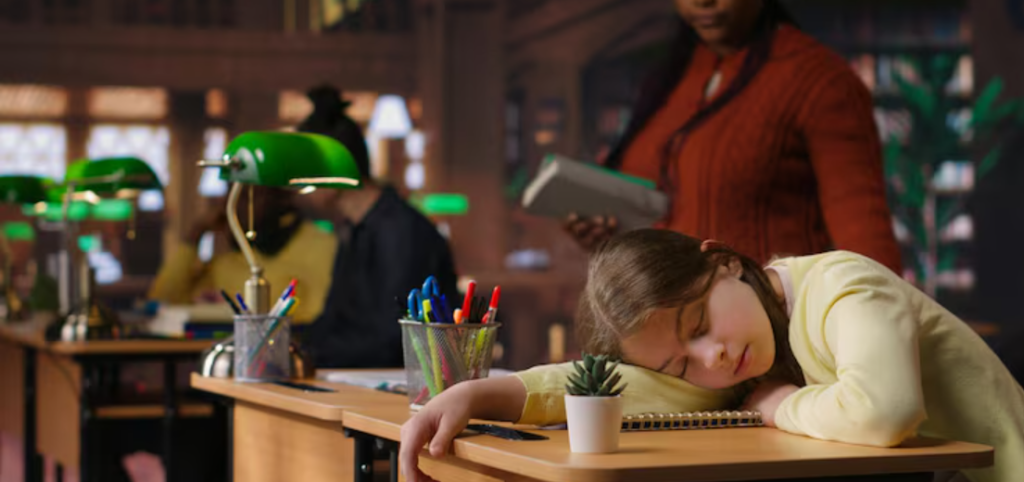
However, money alone is not enough to explain everything. The emotional work that goes into teaching young children is really different from what teachers of older students have to do. Working with kids from birth to five years old means navigating stages of development where regulation isn’t very strong. This means that a child’s distress has to be felt right away and completely, and the teacher has to be there for them too. You can’t just explain something and move on. You feel what they feel with them. Dozens of times a day.
Sometimes, people in general don’t realize how draining that kind of presence really is. Teachers in high school run their classes. In a real way, early childhood educators take them in. The relational nature of the work—bonding, calming, keeping track of development, and talking to families—happens all the time and without much support from the structure. It’s common for staff to be too few for the number of kids. Planning time isn’t always set aside. People who do professional development tend to do it on the edges of a day that is already full.
The pandemic made things worse faster than they were before. Childcare centers were facing closings, staffing shortages, and impossible safety requirements, and they were already making very little money. During that time, a lot of experienced teachers left and never came back. The gaps were filled by those who stayed. There’s no doubt that the field has been running on goodwill for years, but goodwill can only go so far.
From talking to people who have worked in this field, I get the impression that early childhood education is seen more as a hobby than a job. That framing is harmful, even if it is meant to be helpful. This means that low wages can be okay because the work is “meaningful.” It keeps systemic investment at bay because the story makes it seem like these teachers are only supported by their passion. Love doesn’t pay the bills. It also doesn’t stop burnout.
What might actually help are a bunch of things that people in the field have been asking for without getting much in return: equal pay with K–12 teachers, protected planning time, better mental health support for teachers, and a change in the way the country views the people who are shaping the minds of its youngest citizens. It’s still not clear if that shift is going to happen. There is more talk about it in policy circles. It’s not the same as resolved, though.
For now, classrooms are always being changed. A lot of experienced teachers are leaving. And somewhere in a preschool room, one person is doing the work of three, while kids who need everything are all around them and their pay doesn’t really reflect it.
