

A two-page court order carried the weight of a much longer document on the morning of August 5, 2026. Sitting in Washington, D.C., U.S. District Judge Ana C. Reyes formally affirmed the Supreme Court’s ruling from weeks prior that her February injunction shielding hundreds of thousands of Haitians from deportation was no longer in force. In an instant, approximately 350,000 Haitian immigrants in the US lost their Temporary Protected Status.
The case’s arc is truly remarkable, so it’s worth taking a step back to comprehend how it came to be. Reyes, a Biden appointee, halted the Trump administration’s plan to terminate TPS for Haitians back in February after concluding that DHS Secretary Kristi Noem had probably circumvented the law and, more specifically, that the decision seemed to be motivated by racial animosity toward Haitian immigrants. That was a significant discovery. Immigration advocates praised it greatly, and the administration was equally incensed. It attracted immediate attention. Her injunction was in effect for several months.
The Supreme Court intervened after that. The conservative majority of the court ruled, 6-3, along ideological lines, that federal judges simply lack the jurisdiction to consider procedural challenges to the Homeland Security secretary’s decision to terminate TPS. The decision essentially removed Reyes’s February order’s legal basis. The high court had spoken, regardless of one’s opinion of that result, and there is a valid debate about it. Practically speaking, Reyes’s August 5 order was merely the paperwork. However, when 350,000 lives are involved, paperwork is important.
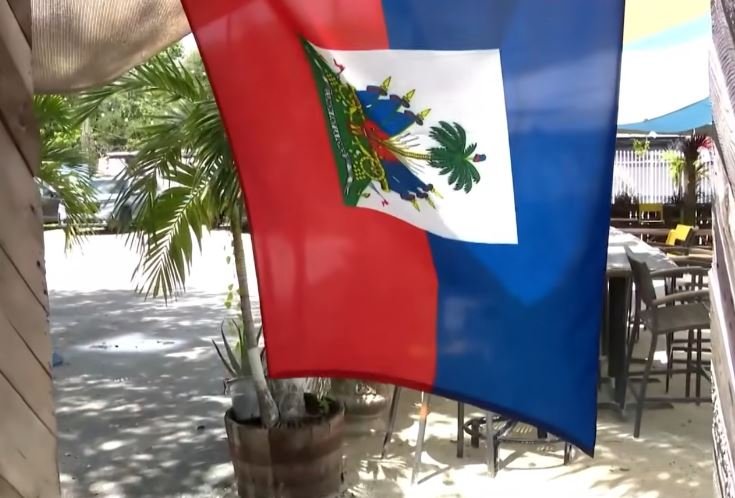
When one walks thru Brooklyn’s Little Haiti neighborhood in recent days, the uncertainty is evident in the conversations that flow from eateries and corner shops covered in Haitian flags. Ankle monitors have already been installed for a few residents who were summoned to ICE offices. Others are rushing to locate lawyers who could assist them in pursuing other forms of immigration relief, such as asylum claims or other legal statuses. Some are discreetly preparing to relocate to Canada, where they have relatives. When you don’t know if the life you’ve spent twenty years creating can withstand a two-page court order, you feel a certain kind of dread.
However, the case is far from over. Attorneys for the Haitian TPS holders are still pursuing their racial discrimination argument, which holds that the Trump administration terminated the program because of Haitians’ identity rather than because conditions in Haiti had actually improved. Reyes ordered both parties to suggest a timeline for additional proceedings. Notably, the State Department still advises Americans against visiting Haiti because of the country’s instability, terrorism, crime, and kidnapping. How the administration reconciles that with its claim that the nation is now safe enough for mass deportations is still up for debate.
Even tho it doesn’t always make the front pages, the economic impact is already being felt. As of early 2025, there were about 190,000 Haitian TPS holders working in the United States, making an estimated $5.9 billion in economic contributions and paying $1.6 billion in taxes. Housekeepers, dietary staff, and certified nursing assistants—some of whom have worked with senior citizens for more than 20 years—have begun to leave nursing homes throughout Florida and the East Coast. One long-term care provider talked about getting complimentary letters for a Haitian worker she might have to let go. “We’re going to send her back to a place that’s war-torn, that’s dangerous,” she replied. “A woman who has raised her children here and paid taxes. For what purpose?
The question remains unanswered. The country’s highest court rejected Judge Ana Reyes’ attempt to halt this result in February. At least for the time being, the legal apparatus has finished its cycle. However, the human costs—the ankle monitors, the staffing shortages in nursing homes, the families thinking about moving to Canada—are only now starting to materialize. The claim of racial animosity may eventually gain more traction. The case might reappear in a different way. Pretending that a two-page order is merely paperwork is no longer feasible.
