

It’s a little unsettling when a number looks like progress but doesn’t feel like it. The 2026 UNESCO Global Education Monitoring Report starts with a number that should give you confidence: There are now 1.4 billion students in school around the world, which is 30% more than in 2000. This includes both primary and secondary school students. The number of kids in pre-primary school has grown by 45%. It’s amazing that post-secondary has grown by 161%. That looks like a society that cares about its children on paper.
But OMEP, which stands for the World Organization for Early Childhood Education, read those numbers and came to a different conclusion. When they sent a formal response, not long after the UNESCO report, they didn’t argue with the data. It raised questions about what the data were really showing.
OMEP’s main point is uncomfortable, but that’s how most honest points of view are. It’s not education to be enrolled. If a child is in a classroom without a trained teacher, the right materials, or the kind of early stimulation that shapes brain development in the first few years of life, that child is being seen as successful in a system that may not be working for them. The OMEP’s position, which was carefully stated without any diplomatic easing, is that growth without quality is not progress. In their words, it’s an abuse of children.
It’s hard not to notice how tense the UNESCO report is. The same report that praises rising enrollment also notes that 273 million kids and teens are still not in school in 2024. This is an increase of 3% since 2015 and the seventh year in a row. The number of kids not in school dropped sharply from 2000 to 2015, but then stopped going down. Things kept moving forward. It looks like things have changed.
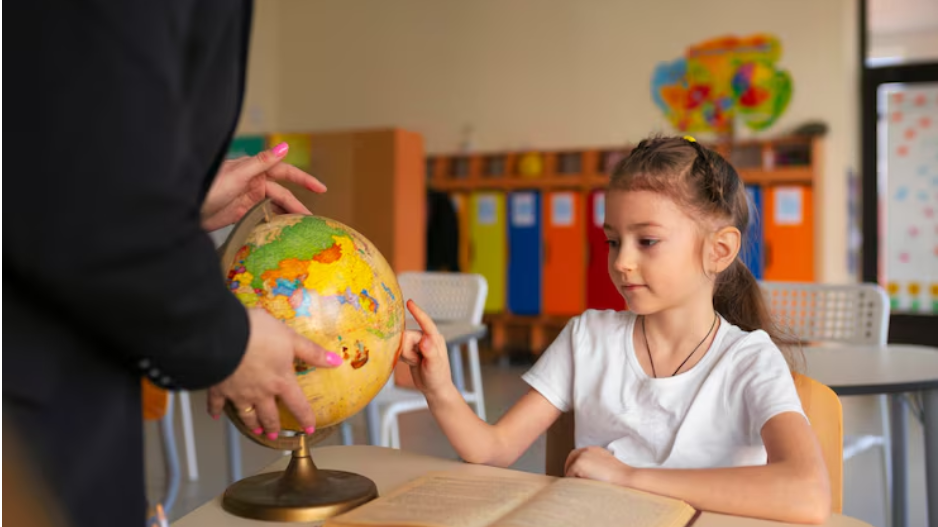
In their answer, OMEP focuses on the early years of childhood because that’s where their institutional duty lies and where the evidence is clearest. The brain is most open, flexible, and in need of intentional care in the years before formal schooling, which is still a time that most systems see as optional or extra. A 45% rise in pre-primary enrollment sounds like a lot. Sign-up rates, on the other hand, don’t tell you much about what happens in a room once a child walks in.
The UNESCO report makes a few references to this issue. In primary school, completion rates are now 88%, up from 77% in 2000. However, it also says that many children in low-income countries are finishing each cycle years behind schedule because they have to repeat grades, enter late, and move slowly through systems that weren’t designed with their needs in mind. The report says that there is a space between “timely” and “ultimate” completion. That gap has been getting bigger in low-income countries since 2005. In a report full of good news, it’s easy to miss that small detail. It wasn’t missed by OMEP.
The specificity of the concern is what makes OMEP’s response worth paying attention to, not the criticism itself (groups often criticize UNESCO reports). This isn’t a general discussion about the philosophy of education. As the deadline for Sustainable Development Goal 4 gets closer to 2030, it’s interesting to note that the conversation has shifted toward metrics that are easier to count than the ones that matter. It’s possible to track how many kids get through the classroom door. It’s harder to see in a spreadsheet whether or not that child learned something that will stick with them for a lifetime. Because of this, it doesn’t usually make the news.
We have less than five years left until the deadline for SDG 4, and it’s not clear what success will look like. At the rate things are going, UNESCO’s report admits that all secondary school students won’t finish by 2030. In fact, one prediction says that by 2055, 95% of upper secondary school students might have finished. It’s not a mistake. OMEP’s main point is that trying to close the gap only through enrollment drives, without investing in quality, teacher training, and early childhood infrastructure, could lead to a generation that is technically educated but not really served.
It is still not clear how this response will change the international conversation in the real world. Most of the time, these institutional exchanges lead to more reports than changes. But seeing groups like OMEP fight back in this planned, fact-based way makes you think that at least some people in the world’s education system are asking the right questions, even if the answers are still hard to find and time is running out.
