

A plot of land in Grady County, Oklahoma, has subtly emerged as one of the more unsettling aspects of American judicial politics. Justice Samuel Alito of the Supreme Court owns the property thru his wife Martha-Ann’s mineral rights. As far as public records go, no well has been drilled on it. However, the Alitos are entitled to three-sixteenths of the oil that eventually comes out of the ground under a lease agreement they signed in 2022 with the private oil and gas company Citizen Energy. For a sitting justice who is getting ready to hear a significant fossil fuel case in October, that arrangement is not insignificant.
Alito’s oil and gas holdings produced between $390,000 and $2.9 million between 2005 and 2024, according to a recent analysis by Court Accountability, a nonprofit judicial watchdog. By 2024, his total reported assets, excluding his house, had increased from about $1.1 million when he joined the court to between $3.4 million and $8.4 million. Because federal disclosure regulations permit justices to report assets in broad value brackets rather than exact numbers, the range is broad and the entire process feels somewhat imprecise by design.
That property in Oklahoma is responsible for the majority of the fossil fuel gains. In 2019 and 2022, the justice reported two sizable windfalls from the land’s rental income, each of which was between $100,000 and $1 million.
Alito may be underreporting the property’s value, according to Lisa Graves, who co-founded Court Accountability and wrote the analysis. An adjacent plot was sold for $800,000 by a relative in 2017. The Oklahoma land is still listed by Alito for between $100,000 and $250,000. There might be a valid reason for that disparity. It’s also the type of detail that tends to draw attention.
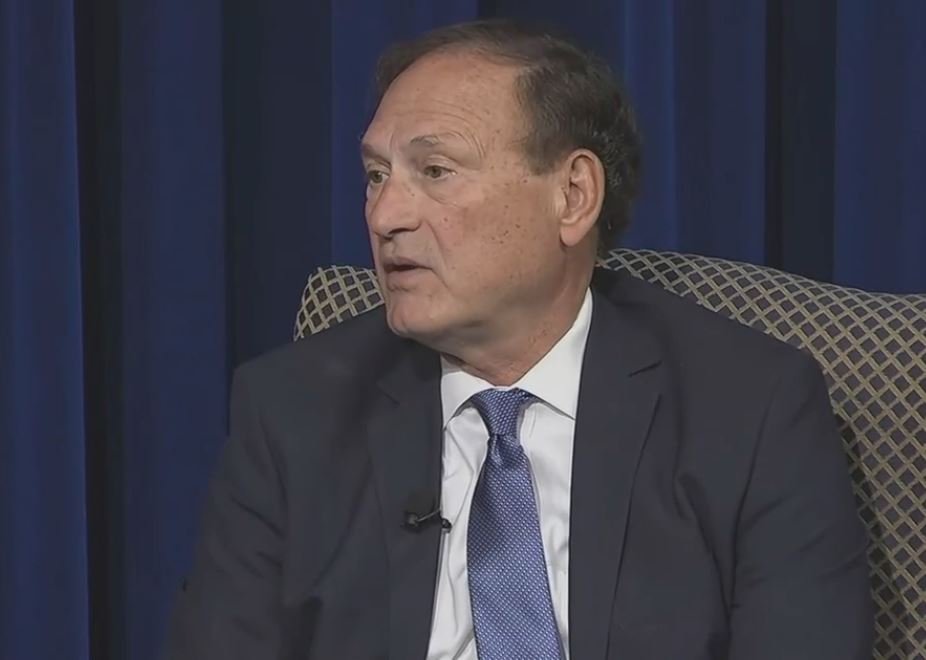
All of this is more difficult to ignore because of the timing. In a case brought by Suncor Energy and ExxonMobil, the Supreme Court announced this month that it will hear oral arguments on October 5. The oil companies are requesting that the justices rule that federal law prohibits state and local governments from suing fossil fuel producers for damages related to climate change.
The Trump administration has called for debate time and is supporting the oil companies. Since his particular holdings do not directly involve Suncor or ExxonMobil, Alito has not recused himself and the court has stated that he is not obligated to. Although Graves contends that selling stock in order to be eligible to hear a related case raises its own issues, he did appear to sell his inherited ExxonMobil stock at some point.
Alito’s voting record on environmental and energy regulations exhibits a pattern that is difficult to ignore. He was one of the justices who dissented in 2007, arguing that the Clean Air Act did not allow the EPA to regulate greenhouse gas emissions. He was a member of the majority in West Virginia v. EPA in 2022, which severely limited the agency’s power to encourage the energy industry to move away from fossil fuels. He recently participated in two rulings from 2024 that undermined the Chevron doctrine, making it more difficult for federal agencies to defend expansive environmental regulations in court. The fossil fuel industry benefited from each of those outcomes. They were all descended from judges who had established financial connections to the same sector.
When impartiality “might reasonably be questioned,” Supreme Court justices are required by ethics rules to recuse themselves; however, this is voluntary. A justice cannot be forced to resign. The Senate Judiciary Committee has been urged to look into Alito’s holdings by Court Accountability and other watchdog organizations. There has been no official response to those calls. As of this writing, Alito is the only sitting justice who has not submitted his May-due 2025 financial disclosure.
Paul Singer, the founder of the hedge fund, is involved in another thread. In 2024, Elliott Investment Management paid over $2 billion to acquire Citizen Energy, the business that leases the Alitos’ land in Oklahoma. Additionally, Elliott owns over 52 million Suncor shares. Singer previously covered the cost of Alito’s 2008 private jet trip, which Alito later claimed was exempt from disclosure requirements at the time. The court has essentially determined whether any of these connections constitute a formal conflict. It is quite another matter entirely whether a reasonable external observer would come to the same conclusion.
