

When the biryani is served at an Indian dining table, a certain silence descends. rising steam. The air was heavy with the subtle aroma of fried onions and saffron. A tiny bowl of cucumber yogurt is then placed next to the rice, almost without any formalities. It appears to be an afterthought. It isn’t.
For generations, raita, as most people know it, has quietly held Indian meals together. The recipe is hardly a recipe at all. Thick yogurt, grated or chopped cucumber, salt, a dash of cumin, and occasionally some torn mint leaves or cilantro. That’s the entire situation. However, anyone who grew up eating it will tell you that the bowl is working hard. The chili is tamed by it. The spice is softened by it. In between bites, it resets the palate.
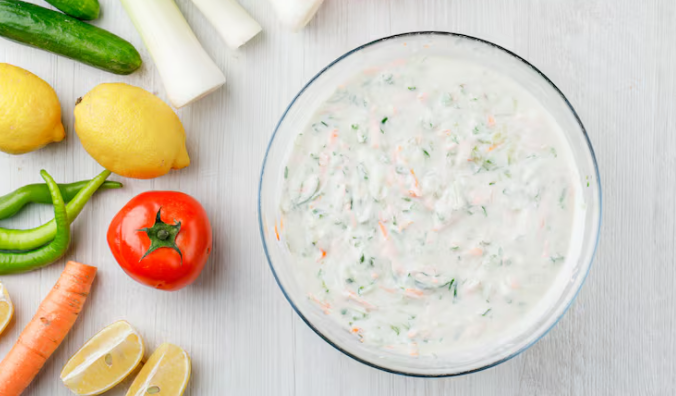
Observing the recipe make its way through cookbooks and food blogs gives the impression that something is being lost in translation. Greek yogurt is a major ingredient in American versions, giving them a thicker, nearly dip-like texture. Dahi is used to make the Indian versions, which are looser, slightly tangier, and occasionally salted in a way that surprises new diners. Both are effective. However, they are not exactly the same dish.
A tiny kitchen in Hyderabad comes to mind. I once read about a cook who insisted on manually grating the cucumber and squeezing out the water before folding it into the yogurt. If not, the dish would cry, she said. It’s the kind of information that is absent from the majority of online recipes, where everything is condensed into a star rating and a ten-minute promise. Near the top of search results, Swasthi Shreekanth’s version approaches the essence of the dish by suggesting fresh long cucumbers without seeds and pointing out that Indian cucumbers typically require peeling due to their tougher skin. little things. However, they are important.
It’s interesting to note how raita frequently comes up in discussions about probiotics, gut health, and cooling foods—almost as if the wellness industry has only recently realized what Indian households have long known. After all, yogurt has been a mainstay in the subcontinent for centuries and is prized for what it does to the body during the long, harsh summers rather than for its Instagram-worthy appearance. Cucumbers make a subtle, water-rich contribution that counterbalances the burn of green chilies and the heaviness of fried foods.
Perhaps the dish’s simplicity is precisely what keeps it safe. There isn’t a variation of raita that calls for pricey tools or uncommon ingredients. A knife, bowl, and spoon. That’s all. Perhaps this is the reason it has withstood the constant upheaval of culinary fads, including the kale, cauliflower-rice, and everything-fermented eras. A marketing campaign is not necessary for Raita. It simply does its job while sitting there.
However, there are disagreements. For that smoky depth, some cooks insist on using freshly ground roasted cumin powder. Some people insist on adding a small pinch of red chili powder on top, primarily for color rather than heat. Mint is a must in some homes. Others view it as a superfluous flourish. The most accurate description of a traditional dish is probably that the recipe varies slightly between kitchens, even within families.
It’s difficult to ignore the significance of this little bowl as it travels through diaspora kitchens, restaurant menus, and weeknight dinners all over the world. Restraint, comfort, balance, and memory. a refreshing contrast to all the noise on the plate. The main attraction might be the biryani. However, the meal’s success is frequently attributed to the raita, despite its quiet nature.
