

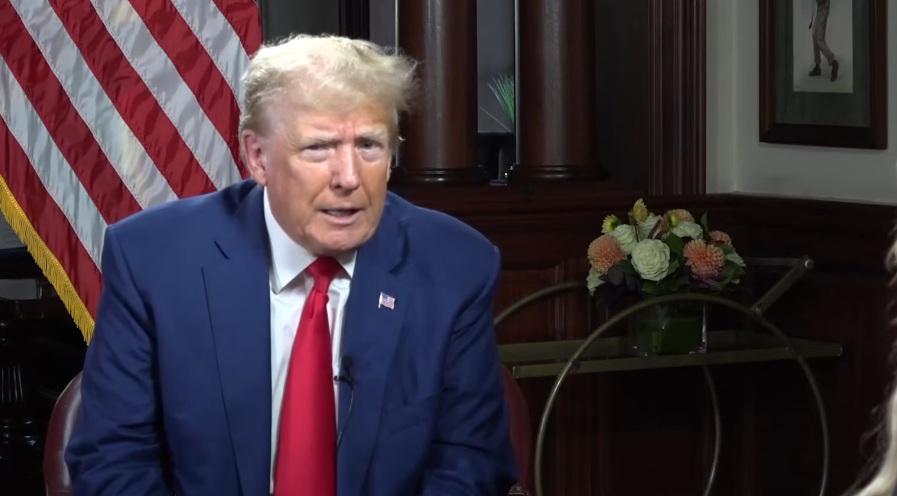
The federal student loan system seemed like a maze with no obvious way out for many years. It was complicated in ways that harmed the very people it was meant to assist, such as multiple repayment plans, overlapping forgiveness programs, and changing income thresholds. After examining that system, the Trump administration made the decision to dismantle the majority of it. The changes are no longer theoretical as of July 1. They are present.
The Biden-era SAVE program, or Saving on a Valuable Education, was one of the most generous income-driven repayment options ever developed. Approximately 7 million borrowers are affected by the most immediate change. That plan is no longer in place. These borrowers have ninety days to decide on a different course of action. A discernible increase in monthly payments will accompany that shift for many. The jump will be steep for some.
Think about Lori Correa, a 57-year-old North Carolina single mother who worked and raised three children while earning her associate’s, bachelor’s, and master’s degrees. She still owes about $200,000. She estimates that under one of the new plans, her monthly payments could increase from $150 to $713 after running the numbers through a loan simulator. It is not an abstraction. It’s a rent payment. For a moment, it’s difficult not to sit with that figure.
For new borrowers, the administration has reduced the number of repayment options to two primary programs. The first is the Tiered Standard plan, which determines repayment terms based on the total loan balance and ranges from 10 to 25 years. The second is the Repayment Assistance Plan, or RAP, which cancels outstanding debt after 30 years and links monthly payments to income, ranging from 1% to 10% of earnings. The monthly minimum is $10, and each dependent is eligible for a $50 discount. Although current borrowers won’t switch right away, their time is running out because the majority of income-driven plans will be discontinued by July 2028.
Separate caps are now in effect for professional and graduate students taking out new loans. The annual cap for master’s degree students is $20,500, or $100,000. The maximum annual loan amount for law and medical students is $50,000, with a cap of $200,000. The lifetime cap for Parent PLUS loans is $65,000. Nicholas Kent, the Education Under Secretary, has stated that these caps will force institutions to assess their true costs, and it’s not wholly irrational. For decades, tuition at many graduate programs has increased significantly above inflation, in part because the pressure to keep costs low was lifted by easy federal borrowing.
Researchers studying education policy are still unsure whether the math completely favors borrowers. It’s possible that some students won’t finish their intended degrees under the new restrictions, Clare McCann of the PEER Center told ABC News. Depending on where you stand on a $100,000 loan balance, that result may indicate a more restrictive or healthier system.
Additionally, it’s important to consider the larger context. Approximately $1.7 trillion in student loan debt is held by nearly 43 million Americans. An additional 2.6 million borrowers fell into default in the first quarter of this year alone. A Federal Reserve Bank of New York report states that the average defaulted borrower was from a Southern state, was close to 40 years old, and had never defaulted prior to the pandemic. That particular detail is important. These individuals don’t intend to evade repayment.
A portion of the overhaul, namely a rule that would have eliminated public service employees’ eligibility for loan forgiveness, was blocked by a federal judge on Tuesday. It serves as a reminder that the complete picture won’t be known for months because some of this is still being disputed in court. The absence of the student loan system from a week ago is evident. Determining what comes next has become an urgent task for millions of Americans.
