

Regardless of where they work or how long they have been in the classroom, many elementary school teachers use nearly the same words to describe a particular moment. When a child is asked to respond to a straightforward question that they obviously understand, they choose to go in a completely different direction instead of speaking. Keep your eyes down. Without actually writing anything, the pencil moves across the paper. The connection was intentionally broken. It used to happen once in a while. Teachers now claim that it occurs daily.
Anxiety in childhood is nothing new. However, something about its current state seems different—it is younger, more pervasive, and more obstinate. Across the nation, researchers and school counselors are observing that kids are showing up to school with anxiety that earlier generations didn’t seem to experience until much later, if at all. It’s worthwhile to consider whether this is because we’re finally paying more attention or because the world has actually gotten harder.
This is especially challenging because children’s anxiety rarely manifests itself clearly. It dons different masks. When a child keeps asking the teacher the same question three times, it’s not because they’re being challenging; rather, it’s because they’re seeking reassurance that won’t stick. When the schedule is altered, a child may act out for attention by kicking the chair in front of them, throwing a pencil, or shutting down entirely. Although it’s unclear if schools are actually prepared to deal with these behaviors, there seems to be an increase in their detection.
Anxiety “tends to lock up the brain,” according to neurologist and former teacher Ken Schuster. Anyone who has witnessed a visibly stressed child struggle through a morning of reading comprehension can understand exactly what he means. The nervous kid in the fluorescent-lit classroom is not daydreaming. They are completely preoccupied with something that the lesson cannot match. It’s understandable that teachers who are trained to identify learning disorders may end up there first. There are genuinely perplexing overlaps between the behaviors.
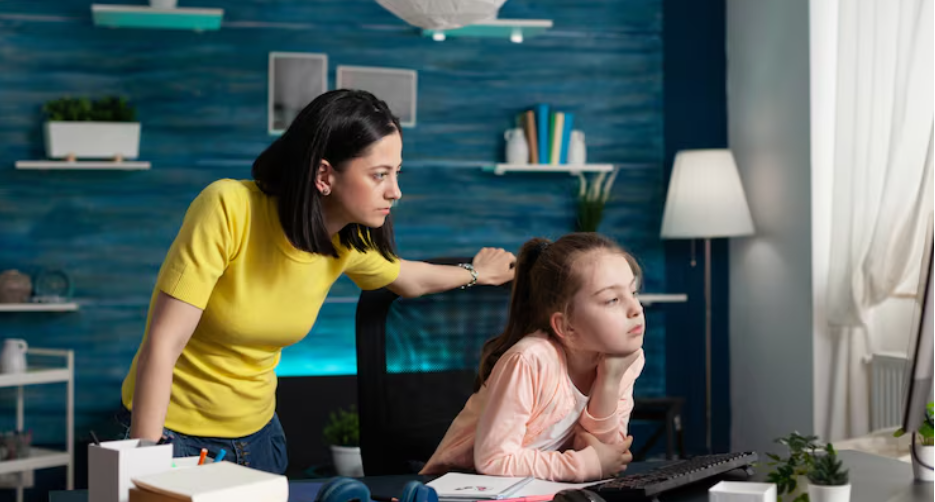
Another aspect of the situation that is frequently overlooked is physical complaints. Anxiety-related headaches that don’t go away with ibuprofen, stomachaches that start right before math class, and episodes of dyspnea that don’t seem to have a medical explanation are all common reasons why children with anxiety visit the school nurse. These kids aren’t acting. A racing heart before a spelling test is, in a sense, just as real as any physical illness. The body maintains a kind of score that is difficult to dispute.
Although the methods differ greatly, schools are starting to react. Instead of waiting for kids to self-refer, which anxious kids hardly ever do, some districts have integrated counselors into classrooms. Some have incorporated mindfulness windows—brief pauses intended to break the spiral before a meltdown occurs—into the school day. A few forward-thinking schools have begun to treat emotional literacy as a subject with the same gravity as math or reading. These initiatives might be successful. It’s also possible that they are only reaching kids whose anxiety is noticeable.
The more difficult issue is that perfectionism, one of anxiety’s most subtly destructive manifestations, frequently appears to be excellence from the outside. Children who never turn in homework because it’s never quite right, who start to dread an exam three weeks before it’s scheduled, or who erase until there’s a hole in the paper are not always flagged. They are commended. The anxiety has had years to take hold by the time someone recognizes the pattern.
As all of this is happening, it seems like schools are being asked to take on more than they were intended to. The pressure from screens, the home, and a world that seems to tell kids that ordinary isn’t enough doesn’t go away when they get to school. Maybe schools could make that door seem a little less intimidating to enter.
