

When Aaron Anderson and Dana Armstrong Hughes hired someone to teach UC Davis’s new entrepreneurship class, they didn’t look for an experienced professor or someone who had already started a business. Alice Dien was brought in. She was working on her Ph.D. in biological systems engineering and had spent years working in the field on problems that most people don’t think about until they’re standing next to a broken dryer in a California farm. That little thing does matter more than it seems.
“Innovation for Impact: Food Systems” is the newest course in UC Davis’s “Hacking 4” series. The series is based on the Lean LaunchPad methodology, which encourages students to stop thinking about problems in the classroom and start talking to people who are actually experiencing those problems. Over the course of ten weeks in the winter quarter, 23 undergraduate and graduate students worked in six groups to solve problems ranging from food waste and clinical nutrition to student food insecurity and upcycling agricultural byproducts. They had talked to more than 150 customers and sent several teams to visit partner companies in the field by the end.
The class was made by the Student Startup Center and the Innovation Institute for Food and Health at UC Davis, with help from the NobleReach Foundation. Each team was paired with an industry mentor who helped them with their problem statement and met with them once a week. Mentors from Nestlé Health Science, Ajinomoto, and a number of UC Davis startups were there to help. It sounds like a good structure on paper, but Dien has seen that it leads to a kind of productive friction that doesn’t always feel good at the time.
One of the hardest things that the class made students face was the fact that their idea might have already been thought of. Dien talks about how teams pitch ideas one week and then find a direct competitor the next. It’s a deflating experience, and she was careful to change how she thought about it. She has said that the point of the course was never to find the perfect answer. It was about learning how to give a presentation under pressure, deal with feedback that makes you feel bad, and make choices when you don’t have all the facts. In the long run, she thinks those habits are much more important than any one business scheme.
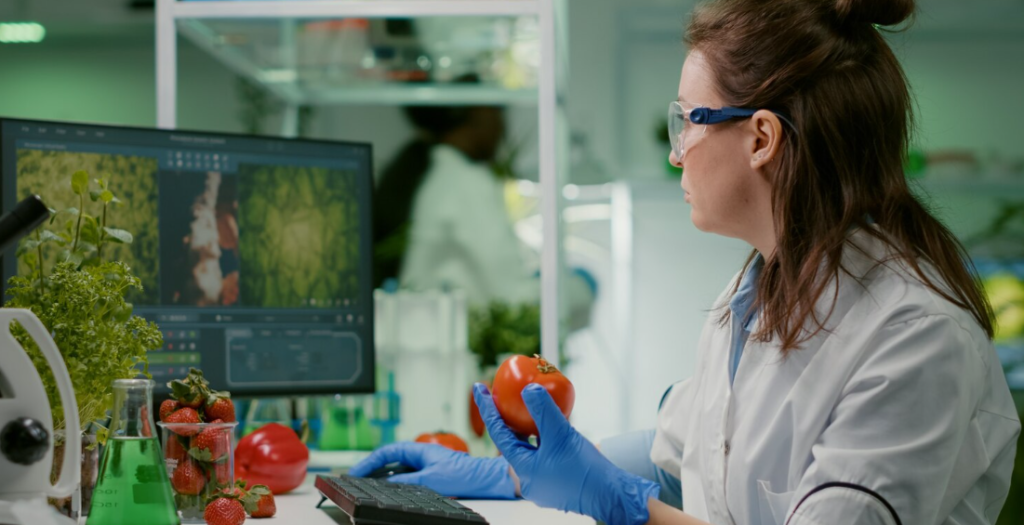
A tension at the heart of engineering education is also something that Dien has personally felt. The job of an engineer is to put things together. There may be a strong desire to build something so that the more important question of whether or not anyone wants or needs it is skipped or put off. Before she ever went into a facility and talked to someone running one, Dien spent years working on better ways to dry agricultural products. She’s not being mean when she says this. That’s more like being honest about how technical training usually works and why a course like this one might be really helpful.
Dien felt like he was making real progress when something subtle happened during the guest speaker sessions this quarter. In the beginning, she led most of the conversations with visiting executives and founders. In the last few weeks, the students were in charge. They asked questions that were clear, based on facts, and related to the problems their businesses were trying to solve. This is the kind of change that is hard to make or speed up. People slowly start to notice what they don’t know when they stop practicing what they do know.
Of the six teams, five have entered competitions or plan to keep working on their projects after the quarter is over. It’s too early to tell which of these projects will last past the excitement of the classroom. Dien probably knows that most of them won’t. What might be more interesting, though, is what the students take away from this: the need to ask before assuming, the ability to deal with ambiguity, and the readiness to change course when the evidence points that way. It looks like UC Davis would be a great place to do all of those things since it is in the middle of one of the world’s busiest food and farming ecosystems.
