

After that, there must have been a certain kind of stillness. In a Cessna 150, two people are cruising over Toledo, Argentina, at one point. There is one after that. The door was open, the seatbelt was undone, and the headset was set down. The instructor then left the plane, which was about 820 feet above the ground.
What the student pilot, who was 22 years old, did next is the most important part of the story. The plane went back. She made it. Even though the situation she was in was not something that anyone has ever been trained for, she did what she was told to do.
That terrible thing happened on July 4 during a normal lesson flight from the Flying Parrot Córdoba school. Based on what witnesses said and what the student herself said, her teacher, 42-year-old Leandro Andrés Bertazzo, did a series of calm, deliberate things before leaving. He took off his headset. He put his phone down. He reportedly took off his belt, opened the plane door, and told her, “You know what you have to do, carry on.” Then he jumped.
She did keep going. The student, whose name has not been made public, flew the Cessna back to Coronel Olmedo Airport and safely landed. Later, Eduardo Álvarez, who ran the flight school, said that she was clear, decisive, and professional, which, given what happened, sounds like a pretty mild compliment. She already had a license to fly, but she could only do so many hours alone. That little thing matters. There’s a better chance that what she did wasn’t just luck.
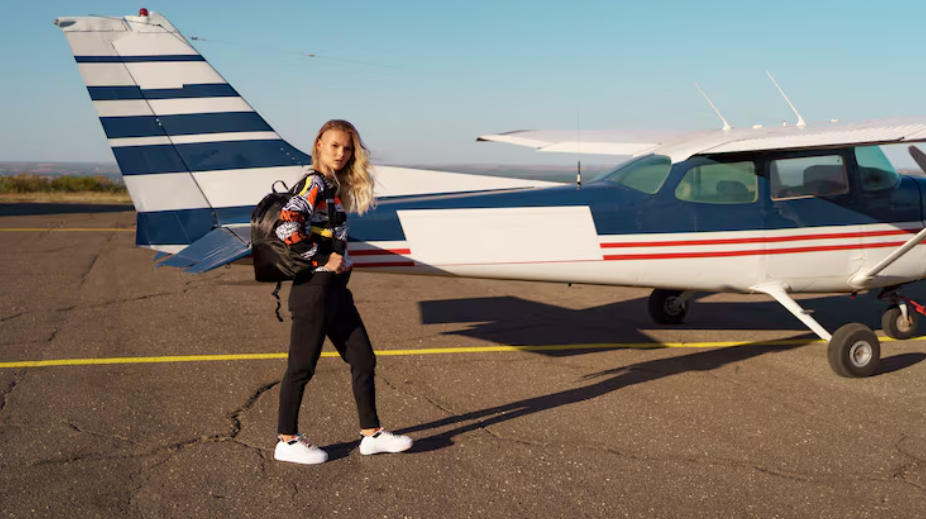
It seems like people in the aviation world have thought about what Bertazzo did more than they have fully acknowledged it. That sentence has weight: “The student pilot lands the plane.” There is no need for a footnote.
When it comes to Bertazzo, investigators are still trying to figure out what happened. His family later told them that he had been seeing a psychiatrist and was having what they called a “rough patch.” There was no way for the flight school to know that. His coworkers remembered him as happy and not showing any outward signs of stress that day. It was different from him, though—he asked for a ride to the airport instead of driving himself. It’s not clear what that little detail means. People need rides sometimes.
The case has made the aviation business more unstable in ways that were long overdue. Pilots learn how to handle problems with equipment, bad weather, and broken instruments as part of their safety training. Students are rarely, if ever, ready for the sudden and planned departure of the person sitting next to them. That gap makes me feel bad. It’s not just about what to do in an emergency; it’s also about who gets to sit in the left seat.
The plane was seized by Argentina’s aviation authorities, who have now begun a formal investigation. After that, there were more calls for flight instructors to be subject to stricter mental health screenings, both in the United States and from other countries. This case could change the way people in the industry think about fitness for instructors. Also, it’s possible that it’s put away as a one-time event, a story that is too strange to be used as a model for everyone.
Picture a 22-year-old man, flying a small plane by himself at 820 feet and deciding to safely bring it down. That picture is harder to file away. The part where the student pilot lands the plane is not in question at all, even though this event raises questions about mental health rules or aviation oversight.
