

In the early parts of Barry Bonds‘ life, there is a moment that tells you almost everything about who he would become. In 1982, the San Francisco Giants picked him up right out of high school. The 39th pick in the second round. They gave me $70,000. Bonds asked for $750,000. A teenager was $5,000 away from becoming a professional, and neither side was willing to give in. His godfather, Willie Mays, is said to have told the young Bonds to go to college instead. He did that.
That little thing seems almost too neat or symbolic. But it did happen. People in baseball argued for decades about where Bonds should go next because it would shape him as a player and as a person.
Barry Bonds went to Arizona State University and joined the same program that Reggie Jackson, a distant cousin, used to go to. A less talented person might be scared off by that kind of family history. Bonds didn’t seem to care. When he got to the Sun Devils’ field, he started hitting right away at a level that didn’t seem fair by college standards.
During his time in college, Bonds hit.347 with 45 home runs and 175 RBIs. He hit.360 and stole 30 bases in 1984. His average that year was.368 and he hit 23 home runs and drove in 66 runs. That doesn’t look like a college stat line. They sound like they’re playing a sport that no one else is on the field.
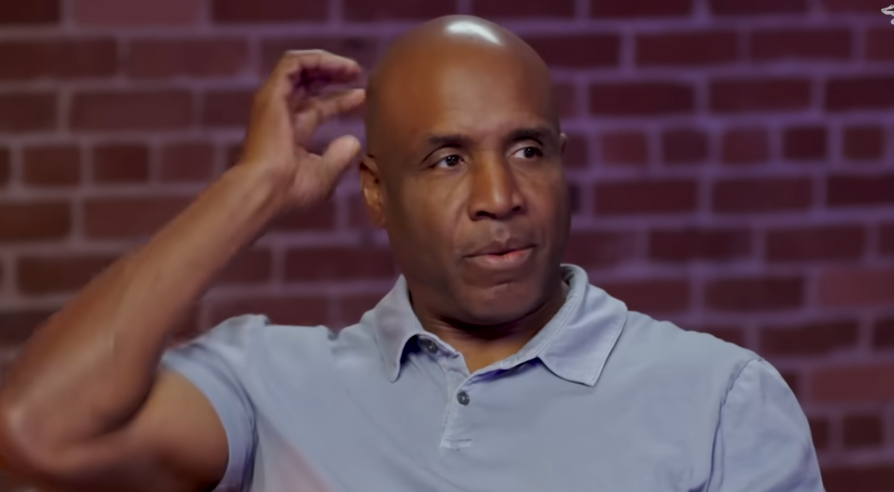
As a sophomore, he tied an NCAA record by getting seven hits in a row in the College World Series. In 1996, he was named to the All-Time College World Series Team. When someone gets this kind of praise, they usually tell a good story. Even back then, Bonds’ story was hard to follow.
Jim Brock, his coach at Arizona State, called him “rude, inconsiderate, and self-centered.” Not a rumor spread by a third party years later; that’s how the people who knew him best at the time saw him. Bonds was suspended for breaking curfew, and his teammates voted not to let him come back to the team. Almost everyone on the team thought he was the best player. They were still not sure if they wanted him back.
That picture of a young man who was so talented that his team needed him but so hard to work with that they would rather lose without him is worth thinking about. Bonds would feel this tension for the rest of his career, and it would get louder as the home runs came in.
He got his degree in criminology from Arizona State in 1986. In most Bonds retrospectives, that fact is skipped over. This could be because it doesn’t fit well into the story of the brash and controversial athlete. He did finish his degree, though. The Pittsburgh Pirates picked him sixth overall in the 1985 draft, and he was playing minor league baseball while he finished school. It’s possible that the fact that he was able to do both at the same time says something about him that the personality stories don’t.
If you want to know more about James Bond before he became famous, look at his college years. He was already very good. He was already very hard to deal with. Arizona State didn’t help them develop those skills; it just gave them a chance to show what they could do.
It’s still hard to believe that a $5,000 difference in contract talks changed the course of one of baseball’s most controversial careers. What if the Giants had hit his number? There would be no Arizona State chapter, no Sun Devil Hall of Fame induction in 1999, and no college stats that people still look at twice. Stranger things have turned baseball history on its head.
Everyone agrees on what Bonds was while he was in Tempe, whether they think he belongs in Cooperstown or not. People around him were already working at a level that made them feel uncomfortable and impressed people in public at the same time. It looks like some things will never really change.
