

While most Americans probably missed it, something changed in Geneva last September. A potential new Optional Protocol to the Convention on the Rights of the Child, which would formally guarantee the right to free early childhood education, was discussed by 92 member states inside the UN Palais des Nations. The stakes were genuine, the language was cautious, and the discussions were serious. However, fatherhood advocates back home have been grappling with the question of how fathers fit into the larger discussion about children’s rights ever since.
During the meeting, OMEP, the World Organization for Early Childhood Education, stated its stance. Early childhood exists in a sort of legal gray area, according to World President Mercedes Mayol Lassalle; it is acknowledged by international frameworks in principle but is not yet bound by legally binding obligations. She advocated for early childhood education and care to be guaranteed from birth, state-led, appropriately funded, and viewed as a public good. The main points of contention were access and equity. They were also captivating. The documented, scientifically supported role that fathers specifically play in that early childhood window is what they failed to fully address, and this is what American fatherhood organizations have been advocating for ever since.
It’s easy to skim this research, so it’s worth taking your time. There is a complex relationship between a father’s presence and a child’s ability to control their emotions, according to a 2024 systematic review of research on father involvement and emotion regulation in children ages 0 to 5. Although conditional, the connection is genuine. When you take into consideration the father’s own emotional traits, the quality of that involvement, and the actual methods of measurement, it becomes most evident. Put differently, it’s complex in the same way that actual human relationships are typically complex.
More adaptive emotion regulation in young children does seem to be supported by high-quality father involvement, which goes beyond simple physical presence to include engaged, responsive interaction. This is important because early childhood emotion regulation is not a soft skill. It serves as a base. Well-developed children are more likely to develop prosocial behaviors and the ability to cope with stress, and they are also less likely to encounter specific mental health issues in the future.
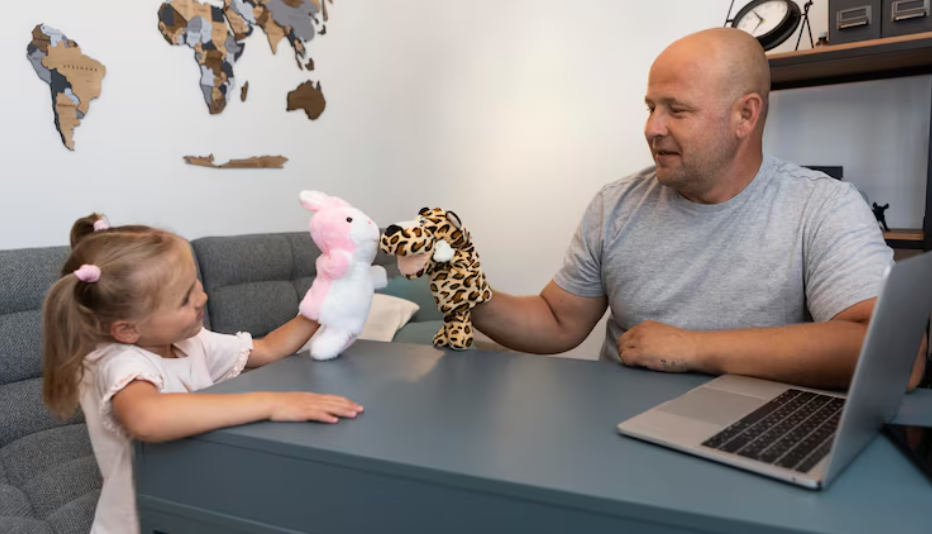
This research landscape has long been recognized by fatherhood organizations across the United States. The policy lag is what irritates them. The role of fathers is still marginal despite all the momentum surrounding early childhood education funding, curriculum standards, and access—the kind of momentum that OMEP is currently attempting to codify into international law. In many U.S. states, paternity leave is still either minimal or nonexistent. As a result of decades of research that largely ignored fathers until the 1980s, family policy is still primarily focused on maternal involvement.
That history has a certain irony to it. Researchers didn’t think to look, which is why we have less information about father involvement than mother involvement. The results are steadily coming in now that they are searching, but they are mostly ignored in the policy discussions taking place at the highest levels. One example is the OMEP meeting in Geneva. A legally binding document on the rights to early childhood education was clearly supported by thirty-one states. Governments were reminded by five kids that education is a right, not an incentive. Statements and research were lined up by civil society organizations. By most accounts, it was a significant and important advancement.
However, it’s possible that a legally binding international agreement on early childhood rights will develop without significantly addressing paternal involvement, relegating fathers to a supporting role in a framework that directly impacts them and their children.
The Intergovernmental Working Group’s second meeting is set for late summer 2026. In the interim, the chair has suggested the creation of guiding principles for a potential draft text, consultations, and a progress report to the Human Rights Council. Fatherhood advocates see that window as an opportunity to advance the discussion before the framework solidifies. It’s possible that the OMEP resolution did not specifically address fathers. However, based on the response from fatherhood organizations in the months that have passed, it appears that they have chosen to focus on fathers regardless.
It remains to be seen if that pressure is translated into language in an eventual protocol or if it is absorbed into the larger discourse and then forgotten.
