

A former intelligence analyst entering a Dover secondary school and asking teenagers to discuss whether the voting age should be lowered is somewhat unexpected. However, that is essentially what Labour MP for Dover and Deal Mike Tapp has been doing—quietly, consistently, and without much fanfare.
His “Tapp into Politics” initiative was introduced in early 2026 and has already been implemented in schools such as Dover Grammar School for Boys and Astor Secondary. The structure is simple: students congregate, Tapp or his group shows up, and they quarrel. Not theoretical questions, but actual ones. prohibitions on cell phones in schools. casting a ballot at sixteen. topics that genuinely spark conversation in a room. Standing in front of a group of teenagers who have no reason to be courteous could make a lot of MPs uncomfortable. Tapp appears to find it stimulating.
It’s worth considering the source of this instinct. Tapp left college early to serve in the Intelligence Corps after enlisting in the British Army at the age of twenty. He finished three operational tours in Afghanistan and Iraq. The National Crime Agency followed, followed by the Ministry of Defense’s counterterrorism efforts. This is not the description of someone who wrote education policy papers for years in think tanks. However, there is a feeling that his upbringing—structured, disciplined, and based on practical judgment calls—influences his approach to civic engagement. Abstract idealism doesn’t seem to pique his interest. He appears to be curious about young people’s capacity for critical thought.
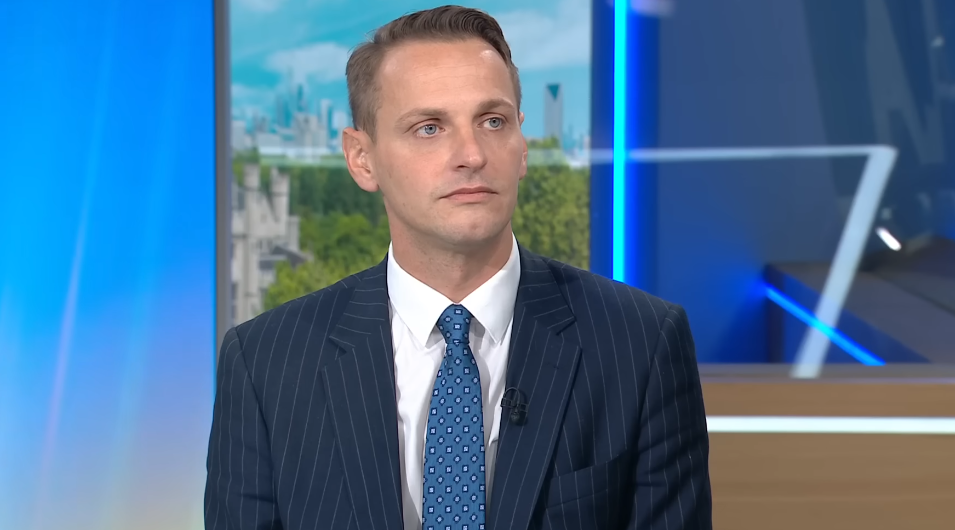
Something similar can be seen in his parliamentary voting record. Tapp has continuously backed tighter child protection regulations in schools, free breakfast clubs, and nationalizing teacher compensation. These are not ostentatious roles. These are the votes that subtly convey a person’s true priorities without making headlines. The reasoning behind breakfast clubs, in particular, is very practical: kids learn better when they’re not hungry. Tapp doesn’t seem to feel the need to complicate it, and it’s not complicated.
Additionally, he has made it a point to visit schools that serve youth with disabilities and special educational needs. His visit to Horizon Care and Education’s Brewood School is the kind of involvement that isn’t always covered by political media. In Britain, SEND services are consistently underfunded and frequently go unnoticed by politicians. It remains to be seen if these visits result in long-term advocacy, but the fact that they are taking place at all indicates what he believes is worth his time.
All of this points to a larger goal. A Westminster version of Tapp’s “Tapp into Politics” program, which would bring students to Parliament rather than merely sending an MP there, has been discussed. Getting young people inside the building feels like more than just a photo opportunity for a constituency like Dover, where real economic anxiety coexists with political disillusionment. The extent to which this can be scaled and the potential long-term impact are still unknown. Measuring these things is challenging.
The consistency is easier to notice. Tapp seems to be developing something modest and methodical, not so much a brand as a habit of showing up, based on his classroom visits, voting record, and outreach structure. in Dover. in educational institutions. in settings where he is not universally accepted. That’s not insignificant for a politician who is still relatively new to Parliament.
