

Something quietly interesting about how Chappell Roan got here stands out. No training in a conservatory. There is no music degree on the wall anywhere. Just a girl from Willard, Missouri, who learned to play the piano when she was ten years old, started putting cover songs on YouTube a few years later, and won a Grammy in 2025. There’s no easy way to describe the path she took to get there, and that’s probably the point.
Roan, whose real name is Kayleigh Rose Amstutz, grew up in a small, religious town where she went to church every week and where summer camps were more likely to involve studying the Bible than writing songs. She went to Willard High School for her formal education. She talks about it with a fond distance, as if she was always there in body but somewhere else in spirit. She graduated early, a year ahead of her class. One reason for this was that her music career was already taking a different path.
That early exit wasn’t a mistake. To finish her high school requirements early, Roan took classes online through Brigham Young University. Flying to Los Angeles or New York for showcases while still technically being a high school student in Missouri was a practical way to deal with a double life that was getting more complicated. In May 2015, when she was seventeen, she signed with Atlantic Records. This tells you everything you need to know about her priorities at that time.
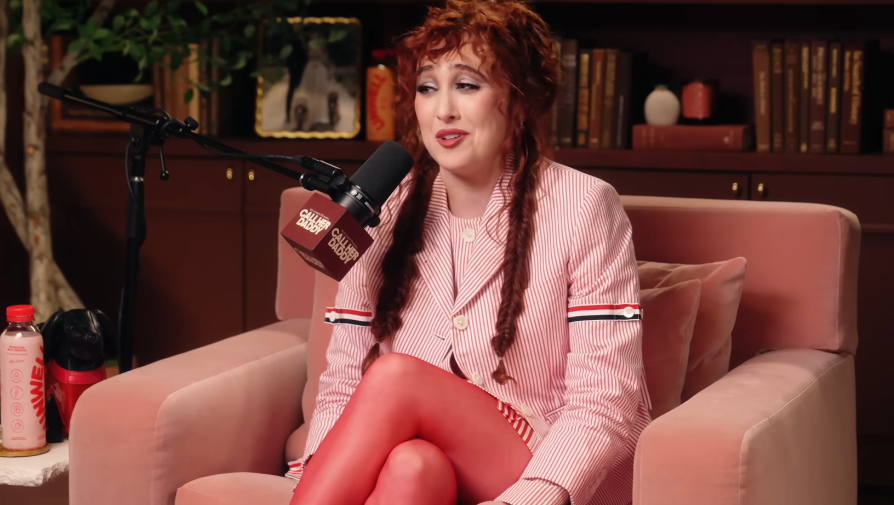
It’s no secret that she missed her prom. Didn’t make her graduation. There was a lot of normal teen mess that I missed. Most people look back on their teenage years with a mix of nostalgia and relief. Even though the trade-off is clear now, it’s hard not to wonder what that cost her. The music career she wanted wasn’t a sure thing. In the beginning, there was no sign that it would work out.
She did have something that was harder to measure, though. She won her school’s talent show when she was 13 by singing “The Christmas Song.” When she was 14, she tried out for America’s Got Talent. She wrote “Die Young” at the Interlochen Center for the Arts when she was fifteen years old. She later said that the experience “changed my trajectory forever.” That phrase is worth thinking about. This wasn’t really music school; it was more like a close encounter with who she was becoming.
She didn’t start formal singing lessons until a very late age. Roan says she didn’t take a real voice lesson until December 2022. That means she performed for almost ten years without what most singers would consider a basic skill. She has even said that she has been “singing wrong” for years. It probably depends on your ideas about how artists grow whether you see that as a gap or a part of her growth. She may have learned something from those rough early years that no lesson could have taught her.
In 2024, Roan was giving a guest lecture at Harvard Medical School, which is such a strange fact that it almost sounds like it was made up. The girl who finished high school by doing coursework online at BYU is now a student at one of the best schools in the country. There is a line there, but it’s not the straightest one ever.
You could say that she learned something in recording studios, on tour buses, and even in a donut shop in Los Angeles when Atlantic Records fired her and she was trying to figure out what that meant. It happened in West Hollywood gay bars where songs were written and with producers who pushed her to take bigger swings. One version of this story makes the fact that the main character didn’t go to school seem like a bad thing. Now that I see where she is, that version feels harder and harder to defend.
