

On a school morning, you can still see students entering Paul Robeson High School through the front doors, carrying bulky backpacks, wearing headphones, and navigating hallways that have been traversed by generations of Philadelphia children. The structure has a past. The surrounding neighborhood also does. However, if the Philadelphia Board of Education has its way, those doors will be permanently closed by the 2027–2028 academic year. In late April, the board decided to close 17 public schools, including Robeson, which is not the only one with a significant name in this community.
The vote itself was out of the ordinary. Six of the nine board members left the room and reconvened via Zoom to finish the vote after community protests became so loud that they stopped the meeting. One of those little incidents that reveals more about the true purpose of these decisions is the picture of an appointed board leaving a crowded public hearing to cast important votes via video conference. With enough votes to initiate the closure process, the “Accelerating Opportunity” facilities plan—the Orwellian term for what is essentially an austerity program—passed.
The $313 million deficit, which is real but whose causes are worth closely examining, is the starting point for the financial reasoning behind the closures. School districts nationwide faced what some administrators referred to as a fiscal cliff when the Biden administration permitted federal COVID-era ESSER relief funds to expire in 2024. Approximately $1.8 billion of those funds had been given to Philadelphia. There was an immediate and serious void when the funds ran out. A district where almost 70% of students are eligible for free or reduced-price meals lost an additional $69 million as a result of the Trump administration’s reduction of Title I, Title II, and Title III federal aid, programs created especially to support low-income schools. By 2027 and 2030, the deficit is expected to reach $466 million and $774 million, respectively.
| Field | Details |
|---|---|
| Institution | School District of Philadelphia (SDP) |
| Address | 440 N Broad Street, Philadelphia, PA 19130 |
| Founded | 1818 |
| Superintendent | Tony Watlington |
| Mayor | Cherelle L. Parker |
| Total Students | ~117,907 (U.S. News) / 197,000+ (as of 2022 per Wikipedia) |
| Total Schools | 220 |
| Minority Enrollment | 90% |
| Economically Disadvantaged Students | 68.9% |
| Student-Teacher Ratio | 14:1 |
| Annual Revenue | $4.49 Billion |
| Per-Student Spending | $17,914 |
| Current Budget Deficit | $313 Million (2026) |
| Projected Deficit (2030) | $774 Million |
| Schools Approved for Closure | 17 (beginning 2027–28 school year) |
| Schools Affected by Area | 12 in North Philadelphia, 5 in West Philadelphia |
| Budget Cuts (Next School Year) | $225 Million |
| Master Plan Cost | $3 Billion (“Accelerating Opportunity”) |
| Federal Aid Lost (Trump cuts) | ~$69 Million |
| High School Graduation Rate | 86% |
| Math Proficiency (Elementary) | 18% |
| Reading Proficiency (Elementary) | 30% |
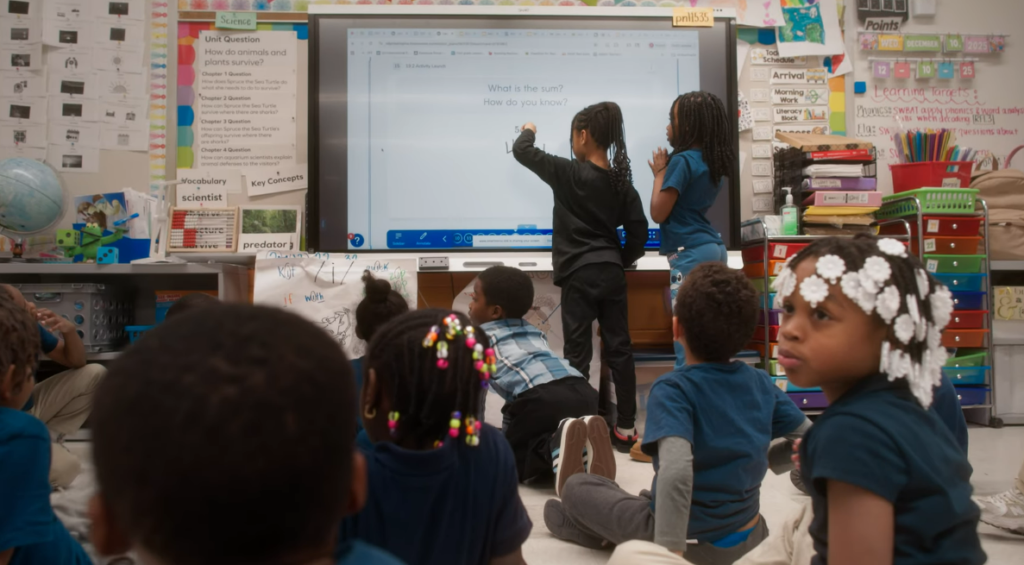
The majority of the 17 schools that have been given the go-ahead to close are located in the city’s most economically challenged areas. There are five in West Philadelphia and twelve in North Philadelphia. Lankenau Environmental Science Magnet High School, the city’s only environmental science magnet program, is on the list, along with a number of elementary and middle schools that cater to neighborhoods with few other options. Additionally, the district announced $225 million in additional budget cuts for the upcoming academic year, which included the reassignment of 340 school-based positions and the elimination of 220 building substitute positions. It’s difficult to ignore the fact that the majority of the communities affected by these cuts are Black and working class, and the board’s decision-making process—the Zoom vote, the hurried timeline, and the “community hearings” that many locals thought were theater—didn’t exactly convey confidence that their opinions were truly sought.
Residents and proponents of education in Philadelphia feel that something more than budget management is taking place here. The closures come with a $3 billion master plan. According to the district, only around one-third of its funding comes from current sources; the remaining funds must come from “state, federal, and philanthropic sources.””This formulation, which calls for philanthropy and developers to fill the $2 billion gap, raises the question that many community members openly asked during hearings: who will end up in charge of these buildings, and what will happen to the surrounding neighborhoods once the schools are gone? Those who have inquired have not received satisfactory responses from the district.
In the meantime, the transportation agreement that has transported thousands of students from Philadelphia for more than ten years is also coming to an end. At the end of the school year, hundreds of Durham employees were laid off after the School District of Philadelphia informed Durham School Services that it had chosen a new provider. The possibility that employees could move to different company locations disappointed Durham. For the time being, the students continue their education while the adults in their immediate vicinity sort things out.
The situation in Philadelphia is especially striking because, from a distance, it appears so familiar. In 2013, Chicago closed almost fifty schools. Detroit. Newark. Baltimore. For more than ten years, the same pattern—budget deficit, closure plan, community opposition, vote—has been evident in American cities, with underserved neighborhoods consistently suffering the most. It’s really unclear if Philadelphia takes a different route or just does what other cities have done. The decision has been made by the board. The debate over what will happen next is only getting started.
