

ESPN’s announcement that College GameDay will kick off the 2026 college football season in Baton Rouge is almost reflexively satisfying. The combination of Death Valley on a September night, Lane Kiffin entering Tiger Stadium for the first time as LSU’s head coach, and Clemson entering as a team that still has faith in its ability to compete at the highest level essentially wrote the selection. It’s the type of game that feels more expansive before play than most games do after.
On May 12, ESPN announced that the first week’s location would be confirmed and that the second week’s coverage of Ohio State at Texas would take place in Austin, Texas. In SEC country for two weeks in a row, both games have real significance. The selections indicate that the show still has a sense of where the energy resides early in the season, which is noteworthy for a show that is now starting its 40th season on the road.
The September 5 game between Clemson and LSU is noteworthy for reasons other than the game itself. It is the first game of Lane Kiffin’s tenure at LSU. His hiring sparked the kind of discussion that usually precedes either a spectacular collapse or a long and successful run, and rarely anything in between. Although Kiffin has rebuilt programs in the past—his work at Ole Miss was truly impressive—LSU has different standards, a more intense fan base, and a different level of scrutiny. It seems like the perfect pressure-test introduction for the occasion to bring GameDay to that first game. As the setup takes shape, there’s a sense that something special will happen in Baton Rouge that morning.
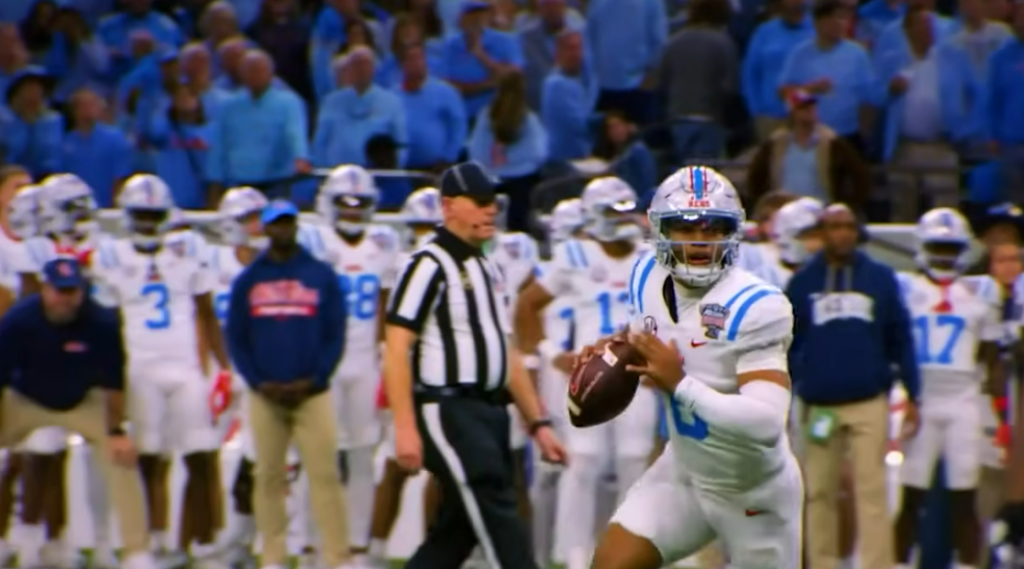
Additionally, the decision meant forgoing some truly appealing Week 1 options. There were good reasons to choose Auburn over Baylor, Washington State over Washington, UCLA over California, and Boise State over Oregon. The opening weekend is made more interesting by Louisville vs. Ole Miss and Wisconsin vs. Notre Dame on Sunday. The fact that GameDay ended up at Clemson-LSU in any case indicates that the combination of venue atmosphere, coaching plot, and program prestige prevailed, which is likely the right decision.
The pattern is maintained in week two. The rematch between Ohio State and Texas is a rematch of last year’s opening weekend game, which GameDay attended in Columbus. The rematch in Austin adds a layer of narrative that has always drawn viewers to the show. The second week has its own stakes because Texas, which is still establishing itself as a regular force in the expanded SEC, will host the Buckeyes in front of what will almost certainly be a sold-out Darrell K. Royal Stadium. One of the two power programs arrived with a target on its back, while the other is still proving something at home. It writes on its own.
What GameDay is missing is noteworthy. In Week 0, North Carolina will play TCU in Dublin, Ireland, and NC State will play Virginia in Rio de Janeiro, Brazil. These are truly unique games in truly unique locations. Given the logistics and the extended College Football Playoff schedule, which draws attention to domestic games with longer-term implications, it makes sense that the show won’t be there either. Even if the novelty of those games contributed to their appeal, there is nothing wrong with that calculation.
As the season moves closer to the playoff picture, it’s still unclear which campuses will host GameDay; however, the Ohio-Georgia game in Athens on September 26 is being considered as a likely location based on the outcome. For the time being, Baton Rouge is where the season begins, and that should be sufficient on its own.
