

A school organizing a summer social with activities like face painting, tug of war, and bouncy castles while also getting ready for the possibility that it won’t happen in the fall is incredibly unsettling. That is the exact paradox that currently exists at the core of St. Joseph’s College in Reading. The invitations were sent out. It is likely that the sausages were ordered. And a 130-year-old institution subtly hinted that it might be finished somewhere between those happy Instagram posts and a very different kind of letter sent home to parents.
The Board of Governors sent the letter, which the Reading Chronicle saw, and it was as direct as only very bad news can be. declining student numbers. growing expenses. a financial predicament that was, in their words, intolerable. The school will close on July 10 if a workable solution cannot be found. That date is particularly cruel because it falls during GCSE and A Level exam season, when students are supposed to be focused solely on their revisions while seated in borrowed classrooms.
Since it opened on Upper Redlands Road in 1894, St. Joseph’s has survived two world wars, numerous recessions, and every educational reform the British government has imposed on independent schools over the years. It began as a girls’ school and changed to full coeducation in 2010, redefining itself as a school for everyone, not just wealthy families but also those who wanted more than the state system could provide without having to pay the premium of Berkshire’s most prestigious institutions. The slogan was “More than you imagine, for less than you expect”. The school seemed to genuinely believe it.
By all accounts, the letter that headteacher Laura Stotesbury wrote to parents was sincere and painful. She described the news as “devastating”—a term head teachers rarely use. In order to facilitate the transition, she discussed plans to get in touch with nearby schools, especially those that share a similar ethos, and mentioned students, staff, and the community all at once. Additionally, on May 22, there will be a “Futures Fayre” where families can meet representatives from other nearby schools and start planning for September. It’s a considerate gesture. It also acknowledges that there is probably no chance of saving the situation.
It appears that the Board has looked into every possibility, including partnerships, mergers, and outside investment, but has not been able to find a viable solution. That’s a big admission. When a board declares that it has run out of options, it typically means just that. Governors don’t announce closures lightly. If one is being honest, asking staff members for suggestions feels more like institutional due diligence than a sincere hope that a junior teacher may have the solution that the entire leadership has overlooked.
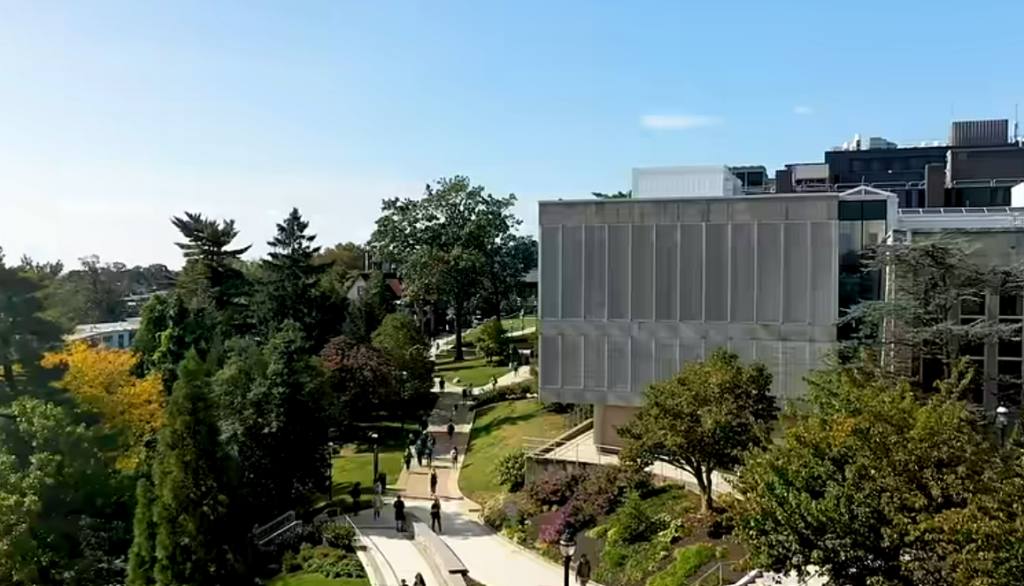
Although they haven’t always been consistent in their targets, local politicians have been vocal in their responses. Green Councillor Kathryn McCann expressed immediate concerns about children being told to start at new schools right away rather than waiting until September, calling it shocking to see “such a long-established Redlands institution” facing closure. The Labour government’s decision to remove the business rates discount from charitable schools and apply VAT to independent school fees was clearly mentioned by Liberal Democrat leader Anne Thompson. Raj Singh, the leader of the Conservative group, made a similar statement, albeit perhaps less tactfully. The two local Labour MPs declined to comment. It’s difficult to ignore whether that silence is a sign of political caution or something else.
Making this a story about tax policy alone would be too simple. Without a doubt, the sector has been severely impacted by the VAT on school fees. However, St. Joseph’s was already making less money than most. In a town where independent school fees can quickly spiral well beyond what most families can afford, it positioned itself as the reasonably priced independent option. Families who reevaluated whether the cost was still justified when fees increased even slightly as a result of VAT pass-through were probably drawn to that positioning. Eventually, the math stopped functioning.
It is difficult to overestimate the disruption to the families who are currently enrolled, particularly those whose children are halfway through Year 10 or Year 12. assignments. controlled evaluations. board registrations for exams. The school has stated that it will advise students who need to transfer to new centers and will ask boards for special consideration for students who are currently taking exams. It’s something. However, it doesn’t completely lessen the impact of being a sixteen-year-old who must find a new school and prepare for GCSEs.
Before July, a donor might come forward, a merger might take place, or an agreement might be reached that wasn’t apparent just a week ago. Schools have previously been pulled back from the brink. However, there’s a sense that St. Joseph’s College is already getting ready for a conclusion it would prefer not to write as it watches this develop throughout the local news cycle, with council members responding in real time and the school’s own social media continuing to promote summer events as if everything were normal. The final chapter of a school that made a sincere effort to reach everyone and discovered that the numbers were no longer in agreement.
