

When you first see one, you don’t really recognize it as a monkey. It resembles a tiny ginger cat that chose to stay after wandering too far up a tree. The telltale mane, a thick orange ruff that frames a small black face, is the reason why naturalists continued to draw parallels with cats centuries ago. They were once described by Antonio Pigafetta, who was sailing with Magellan, as lovely little cats that resembled tiny lions. In spirit, if not in taxonomy, the description remained relevant.
The lion-maned monkey is a family of four animals that live in the diminishing forests of eastern Brazil. They are all members of the genus Leontopithecus. The most well-known is the golden lion tamarin, which you have undoubtedly seen in a wildlife documentary or zoo brochure. In addition, there are the black, golden-headed, and infrequently spotted Superagui, which were only scientifically described in 1990. This is unsettling when you consider it. How little we still know about the forests this species inhabits is demonstrated by how striking it is and how long it has been hiding.
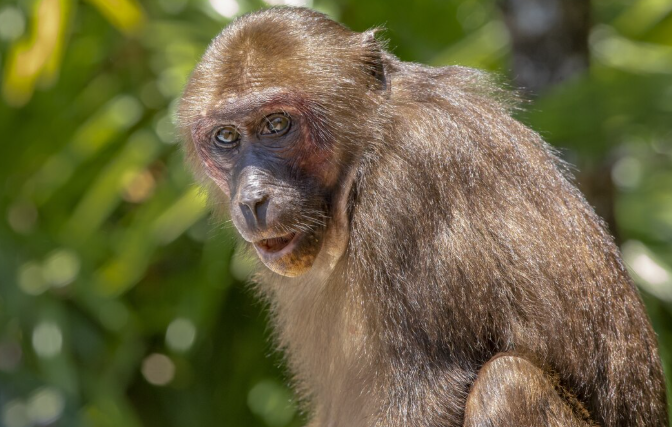
They are tiny. Considering the drama of their appearance, they were embarrassingly small. An adult’s body is about the length of a TV remote, and its tail is almost twice as long. It weighs less than a bag of sugar, perhaps 900 grams at most. With their fingers gripping bark and their claws hooking into cracks to extract grubs and beetles, they leap quickly and deliberately through the canopy. You can see how methodical—almost surgical—they are when you watch footage of them feed. Nothing was squandered.
I believe that family life is what surprises people. Usually consisting of parents and their young, lion tamarins live in close quarters, with the father handling the majority of the heavy lifting after the twins are born. Every few hours, he passes them to the mother for feedings while carrying them on his back. Primatologists have studied this subtly cooperative arrangement for years because it defies the lazy assumptions people have about the behavior of monkeys.
Speaking with conservationists who have worked with them, it seems as though the golden lion tamarin has returned from a near-extinction. Less than 200 were believed to be in the wild by the 1970s. Reintroduction programs, zoos in dozens of nations, and the meticulous reassembling of forest corridors in the state of Rio de Janeiro were all part of the slow and tenacious recovery. It sort of worked. The numbers increased. However, roads, farms, and the relentless appetite for development continue to tear apart the Atlantic Forest, the only home these animals have ever known. Less than ten percent of the original forest still stands, and what remains is fragmented into patches that often can’t sustain breeding populations long term.
It’s difficult to ignore the similarities with the lion-tailed macaque, another monkey with a borrowed lion’s name that lives half a world away in southern India. Similar story, different family, different continent. loss of habitat. hunting. roads. The grim math of human growth. There are still about 3,000 in the Western Ghats, dispersed throughout tea and coffee plantations that have taken the place of the forests they once dominated.
The population of golden lion tamarins is currently classified as stable, which may seem encouraging until you consider how narrow that margin is. The numbers decline due to a new disease outbreak, a new wave of deforestation, and a poor fire season. In this region of Brazil, conservation has never been a complete endeavor. It’s more akin to maintenance, done quietly and frequently with little fanfare.
Still, when you see one in the wild, balanced on a branch with that absurd mane catching the morning light, it’s difficult not to feel mildly hopeful. Somehow, something so specific and improbable has endured. Thus far.
