

Being informed that a five-year-old comprehends something you thought required decades of lived experience to grasp causes a certain kind of unease. Sitting cross-legged on a mat in a Stockholm nursery, a young child explains the importance of not wasting water. A worried-looking child in a Brazilian classroom sketches the Earth. When discussing environmental policy, most policymakers do not consider these moments. However, a substantial amount of research from the World Organization for Early Childhood Education, or OMEP, indicates that they most likely ought to.
From 2009 to 2014, over 44,330 children between the ages of one and eight participated in the OMEP world project on Education for Sustainable Development, which collected data from 28 countries and involved 13,225 early childhood educators. Just the scale is noteworthy. The majority of early childhood research uses much smaller samples in a single nation and frequently finds it difficult to assert widespread relevance. With national coordinators, standardized data collection frameworks, and a structure that permitted true cross-country comparison, this project was designed differently. Interviews, child-led discussions, and theme-based projects started and led by the kids themselves were all purposefully child-centered. not worksheets. not just listening passively. The kids were asked to act, speak, and think.
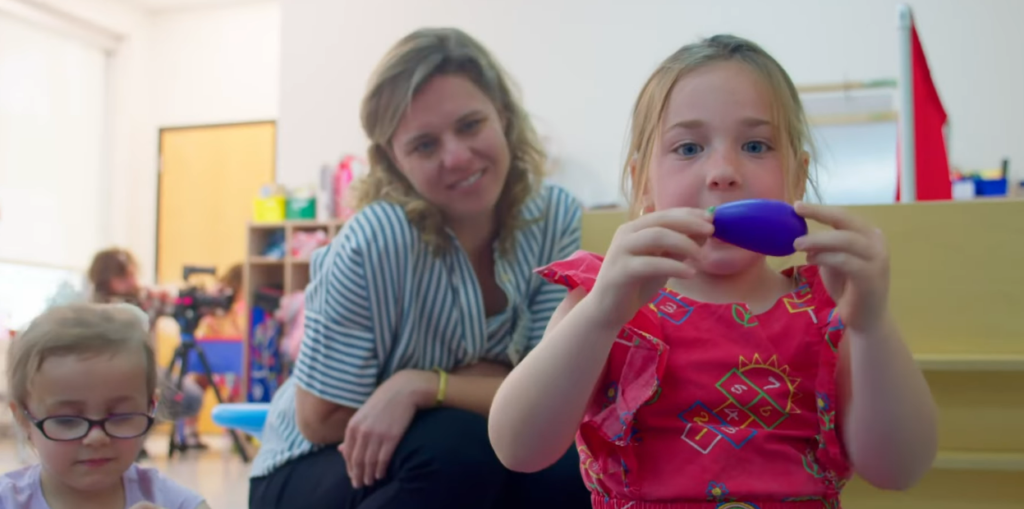
For those who have spent years believing that environmental literacy is an adult concern, the research’s findings were startling and possibly a little unsettling. The data consistently demonstrated that young children possess substantial Earth knowledge. They have genuine opinions about environmental matters. They are aware that people are responsible for sustainability, frequently to a greater extent than adults acknowledge. A recurring theme in the results was that young children’s abilities are consistently underestimated by adults. Not every now and then. Regularly.
Depending on who is reading it, this finding might have different implications. Observing four-year-olds correct their parents about recycling or ask sincere questions about dead birds in the garden probably feels like confirmation of something that early childhood educators have quietly known for years. It should be genuinely unsettling to policymakers and curriculum designers because, if children this young already have a meaningful awareness of the environment, the question of what we do with that awareness in the years to come becomes crucial.
The more general assertion associated with this body of work—that children who receive sustainability education prior to the age of five exhibit quantifiably greater inclinations toward environmental engagement and leadership in later life—fits a pattern that developmental research has been constructing for decades. Real learning doesn’t start in the early years. In many ways, this is when the most profound learning takes place. Three and four-year-old values do not go away. They incorporate. There’s a reason why the most successful social movements of the last century have consistently focused on the education of children.
OMEP, which was established in 1948 and currently operates in more than 70 nations, has long promoted early childhood education as a matter of rights rather than merely preparedness. The organization’s claim, which is supported by this study, is that early childhood sustainability education shouldn’t involve frightening young children with climate data. It’s about developing a connection with nature, a sense of accountability, and the early mental habits that enable someone to take action decades later to address the issues they were first exposed to in a garden or sandpit. To be honest, it’s still unclear whether governments are taking that argument seriously enough.
