

There is a certain kind of weariness that parents of kids with special needs feel. But it’s not the tiredness that comes from having a tough week or meeting. It builds on itself. It happens slowly, one unanswered email at a time, one review meeting where nothing changes, and one year where a child falls further behind while adults talk carefully and without committing to anything. When parents see that the system isn’t working for their child, they usually know it. The fact that this is not an isolated event is harder to accept. For far too many families, it is the rule.
The research emerging from conflict-affected regions like northwestern Pakistan offers a stark picture, but it also reflects patterns visible in more stable, better-resourced societies. Children with disabilities face barriers that are not random. They are building blocks. Not enough space in the classrooms, teachers who aren’t trained in inclusive methods, rigid lessons plans, and schools that see disability as a problem to be solved rather than a real person. These are not distant problems. They are the things that make a child think about how much they are worth.
If you’re being honest, what strikes you is how often the voices of the children themselves are missing from these conversations. Policymakers argue about frameworks. Administrators talk about resources and following the rules. Parents fight for tests, help, and support plans for their kids. All of that adult noise makes the child feel like they are not being heard, that they are being made fun of, and that they are not being understood. Researchers who have really listened to disabled students say the same important thing over and over again: these kids know exactly what is going on. They can feel the low hopes. They can tell when a teacher gives up. For them, the stigma isn’t some vague social force; it’s something someone says to them at lunch or something written on a whiteboard that they can’t reach.
Girls in this situation have a lot of problems that keep getting worse. This needs its own honest accounting. When disability is added to the mix of gender norms that already make it hard to go to school, the problems get worse. Each of these things—fears about safety, unwillingness of family, and social shame—makes it harder to stay in school, be seen as capable, and move toward any kind of independence. But when these girls are asked directly, they talk about school in a way that is so clear it’s almost shocking. In their minds, it is the only way to gain respect that doesn’t need anyone else’s permission.
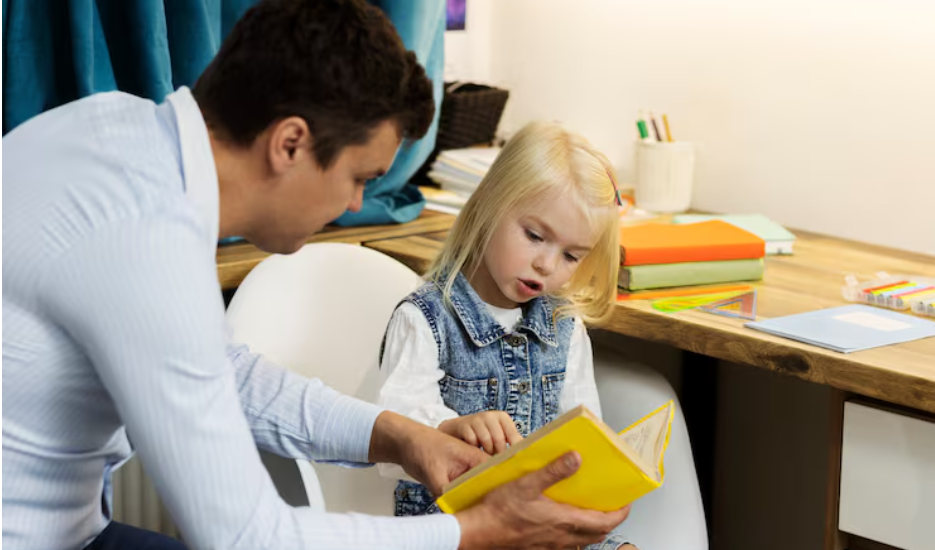
If you look at these systems from the outside, it seems like the word “inclusion” has spread faster than the practice itself. Conventions are signed by countries. National rules are written down. Plans for implementation are made public. There are, however, not many real changes that affect the classrooms where a child with a learning disability or a physical disability is sitting. The teacher doesn’t have any training. The curriculum has not been adapted. The building might not even be reachable by foot. There is no longer a gap between what was promised and what was delivered. It looks like a canyon.
Parents and advocates have known for a long time that goodwill alone is not enough to change the system. It needs teachers who have been properly trained in inclusive pedagogy and not just sent back to overcrowded classrooms after a single afternoon workshop. It calls for lessons that see different learning styles as normal, not strange. It needs resources that get to the schools that need them, not just the ones in districts with more money. And maybe most importantly, the way people talk about disability needs to change. This needs to happen in the workplace, in community centers, and even at the dinner table.
The kids who are using these systems are not asking for help. That’s what every child wants: to be taught in a way that works for them, to be treated fairly and consistently, and for their future to be taken seriously. That seems like a reasonable thing to ask for. Even less clear is why so many of them are still waiting for an answer after decades of international agreements and policy language.
