

Around 2018, something changed in Morocco. Silently, in dusty rural communities where preschool classrooms were scarce and mothers had to travel hours for basic maternal care, rather than loudly and with dramatic announcements that made headlines across the globe. Seven years after the Kingdom placed a wager on its youngest citizens, that wager has been acknowledged in significant places. The 79th OMEP World Assembly and World Conference, which will take place in Rabat in July 2027, will bring together researchers, policymakers, and early childhood educators from more than 70 nations. It’s an amazing moment, and it’s probably well-deserved.
The World Organization for Early Childhood Education, or OMEP, was founded in 1948. Because it has consultative status with UNESCO and UNICEF, it is not making a snap decision when selecting a host nation. Beyond geography or diplomatic convenience, Morocco was chosen as the first African country to host this specific event in recent memory. The organization seems to have made a conscious decision after considering what Morocco has actually constructed on the ground.
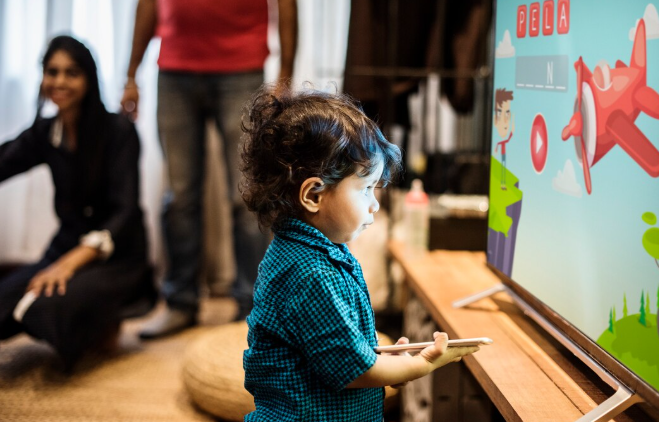
The statistics supporting that decision are truly startling. Morocco’s rural preschool enrollment rate in 2017 was 33%, which was a familiar statistic about developing countries and the ongoing underfunding of early education. That percentage increased to 91% by 2024. There was no longer a gender disparity in access. The Moroccan Foundation for Preschool Education, or FMPS, which is also co-hosting the 2027 conference with OMEP, was involved in the recruitment, training, and deployment of over 9,000 new preschool educators.
This was not the result of a single foreign aid wave or policy. It was a building. Launched by the King in 2005 with the express purpose of innovation, Morocco’s National Initiative for Human Development functioned as an incubator, testing strategies, honing them, and then transferring them to line ministries and local governments once they demonstrated viability. Perhaps the reason this model is still so uncommon is because it sounds almost too reasonable.
When you take into account the context of the host nation, the conference theme, Children’s Futures: Justice, Security, and Wellbeing in a Rapidly Changing World, takes on a different meaning. Morocco has been coping with issues like rural poverty, migration, and the impact of climate change on agricultural communities that most wealthy countries handle from a distance. Under those circumstances, investing in a child’s first five years of life is not merely a matter of policy. It is a declaration of what a government envisions for its own future.
It’s difficult to ignore the potential wider ramifications. Global education frameworks created elsewhere have long been used by African countries, frequently under circumstances that are very different from those on the continent. Some of that institutional thinking might be influenced by a significant OMEP meeting held in Rabat, which was influenced at least in part by Moroccan experience. It’s still unclear if the 2027 conference will result in legally binding agreements or long-lasting policy changes; international conferences frequently fall short in that regard. However, the symbolism is real, and when it is handled skillfully, it can sometimes come before the more difficult work.
The FMPS was established in 2008 with the unglamorous goal of ensuring that all Moroccan children, regardless of where they are born, have access to high-quality preschool education. Almost twenty years later, it is assisting in the planning of an event that will bring the early childhood community from around the world to its hometown. It’s hard not to feel that something significant is taking place here as you watch that arc develop; it began in a rural village classroom and is now subtly making its way around the globe.
