

When you pull up to Ratcliffe College for the first time, it’s kind of shocking. The Gothic stonework rises out of 200 acres of parkland in Leicestershire. It looks like it has always been there, because it is right next to the Roman Fosse Way. The Catholic boarding and day school near the village of Ratcliffe on the Wreake has been around since 1847. It has that special weight that only very old institutions seem to have: history isn’t just on the walls, it’s there.
And it turns out that someone important designed those walls. The first school buildings were designed by Augustus Welby Pugin, a famous Victorian Gothic Revivalist who made some of the most famous Catholic buildings in the Midlands and northern England. The work that Pugin and Charles Barry did together to rebuild the Palace of Westminster may be what made them famous. The fact that the same architectural vision was used on a boarding school in the countryside of Leicestershire says something interesting about the goals of the people who started it.
The school has its roots in the Institute of Charity, a religious community that Blessed Father Antonio Rosmini-Serbati started in 1828. Rosmini helped start what would become Ratcliffe College. It started out as a noviciate in 1844 and became a boarding school for Catholic boys from middle-class families three years later. In June 1847, the first two students showed up. It’s a small thing, but picturing just two boys arriving at this huge estate in the countryside of Leicestershire, probably wondering what they were doing, makes the story more real.
Ratcliffe was an all-boys school for more than one hundred years, run by a series of Rosminian priests with the title “Father President.” That changed when Father Tony Baxter oversaw the school’s move to full coeducation in the late 1970s. Looking back, this change put Ratcliffe ahead of many other schools of the time. In 1996, Tim Kilbride became the school’s first lay headmaster. This was another important turning point in its long history. The Rosminian link hasn’t been severed; the senior Rosminian priest at the college still has the non-executive title of Father President. There is a fine line between tradition and practicality, but it seems to have worked.
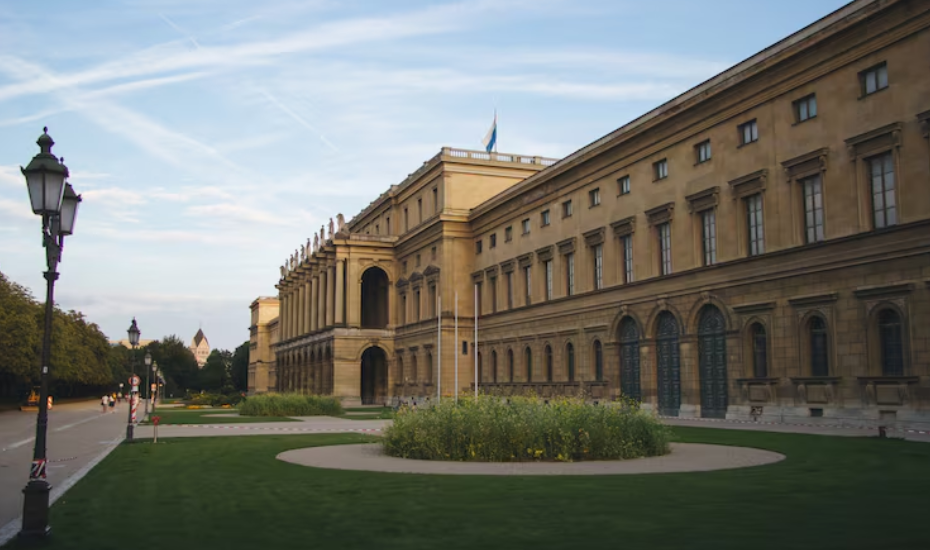
The school now has about 920 students between the ages of 3 and 18. The school’s day fees range from about £3,950 to £6,575 per term, and the full-boarding fees can go up to £12,895. These prices put the school firmly in the competitive middle ground of the independent sector. There are scholarships and grants available, which is important to remember in a conversation that too often only talks about school fees. Jonathan Reddin is the headmaster of the school. He took over in January 2017 and led the school through its most recent inspection cycle.
The Independent Schools Inspectorate did that inspection in 2022 and gave Ratcliffe the highest grade possible: “Excellent” for both student achievement and personal growth. Some people think that ISI reports are just a way to check off a list, but those who know the school well say that those results show something real about the culture there: small class sizes, strong pastoral care, and a community that takes its Catholic beliefs seriously without being rigid about them.
The fact that Ratcliffe works with the Leicester City Football Club Academy Program is an interesting fact. Players in the academy in Years 10 and 11 study and live at the school, which combines the best sports training with structured school life. The arrangement is unique, and it shows a practical side of what education at this level can be like in the 21st century.
The cricket ground adds to the history of the area. The ground was first used in 1948 when Ratcliffe played King Edward’s School, Birmingham. In 2002, it was the site of a List-A game as part of the Cheltenham and Gloucester Trophy. Professional cricket is played at a Catholic boarding school in the countryside of Leicestershire. That’s the kind of detail that makes a place unique but doesn’t make the brochure.
Ratcliffe College probably won’t ever be the main story in the national news. It doesn’t look like it wants to. It seems to offer something that’s becoming increasingly rare: a school with real roots, a long history, and enough confidence in its own identity that it doesn’t feel the need to follow every trend. It’s still not clear if that’s enough for the next 177 years.
