

A school calendar that is constantly changing has a subtle unsettling quality. When a date is announced, parents set up their schedules, kids get used to the vacation routine, and then another notification is sent out, and everything changes once more. That has been the trend throughout a large portion of South Asia in 2026, and since the causes are persistent, it is important to pay attention to it.
This year’s summer break in Punjab, Pakistan, runs from May 22 to August 23. Education officials directly linked this three-month period to the severity of the heatwave that is currently affecting the province. All public and private schools will reopen on Monday, August 24. It’s a long time to keep kids out of classrooms, and it shows a real concern for their physical safety rather than a convenience of scheduling. Sending kids into buildings without proper cooling has become a major concern due to the extreme temperatures that have been experienced throughout Punjab.
In India, the dialogue appears to be similar. Before deciding on a reopening date, Tamil Nadu’s school education department spent the last few weeks of May requesting meteorological forecasts from the India Meteorological Department. The minister hinted that June 1 might be moved to June 8 or later, depending on the circumstances. Minister Pankaj Bhoyar publicly declared in Vidarbha, Maharashtra, that the customary start date of June 15 might be moved to June 26 and possibly even further if the heatwave hadn’t ended by June 10. Children waiting for buses in the morning heat and walking to school in temperatures that trigger heatstroke warnings make sense, but the administrative complexity of abruptly changing dates affects everything from teacher contracts to exam schedules.
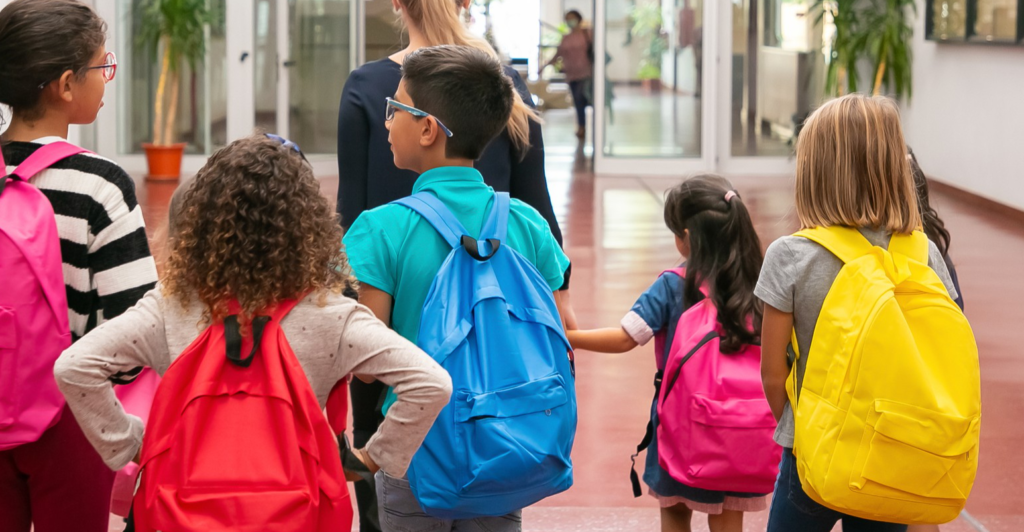
It’s important to take a step back and consider the precise moment this became the norm. Families used to be able to plan years in advance due to the stability of school calendars. In tropical nations, summer vacations were lengthy, but they were predictable. The frequency with which administrators are making reactive rather than planned decisions is what has changed, not just the heat itself. There is a perception that the infrastructure hasn’t fully adapted to the fact that education departments are increasingly handling weather events rather than academic years.
There are other disruptions this year besides Punjab’s prolonged vacation. Lahore’s schools reopened on January 13, 2026, after being closed for the winter. Depending on local conditions, other districts reopened on different dates. An already complex calendar was further complicated in the spring when Punjabi schools switched to a five-day workweek on April 1. Every time a date is changed, a familiar cycle of parent confusion, conflicting information, and social media posts is set off.
It is more difficult to ignore the bigger picture. School reopening dates in Pakistan and India in 2026 have served more as moving targets in response to uncontrollable weather conditions than as fixed markers on the calendar. Governments are carrying out their duties, such as sending out alerts, consulting meteorologists, and holding review sessions, but they have no control over the root cause of the issue, which is the escalating summer heat in densely populated school-age communities.
Observing the accumulation of these announcements gives one the impression that, in some climates, the traditional school calendar is gradually becoming out of date. It’s really unclear what will take its place—longer air-conditioned school days during cooler months, divided academic years, or something that hasn’t been created yet. Parents are currently checking their phones, and the dates are constantly changing.
