

The international community frequently discusses roads, hospitals, and governance in the months following a conflict’s conclusion, or even while it’s still raging. Yes, education comes up. However, early childhood education? Very seldom. This may be the largest blind spot in post-conflict recovery. OMEP, the World Organization for Early Childhood Education, has been working to close this gap, frequently with little more than donated supplies, volunteer labor, and the unwavering conviction that what happens to a three-year-old matters.
OMEP operates through national chapters, which don’t resemble what you might imagine when you think of an international organization in post-conflict nations like Nigeria, Morocco, portions of Latin America, and communities absorbing refugee populations throughout the Czech Republic. Glass offices don’t exist. The majority of the actual work appears to take place in community centers with peeling paint, in borrowed rooms, and under tarps. Using OMEP’s pedagogical frameworks, local volunteers—many of whom are parents or returning refugees themselves—are trained to become teachers. The programs’ names, such as “Sustainability from the Start” and “Color Your Rights,” may sound like they belong in a glossy brochure, but the reality on the ground is much harsher and more human.
One of the more notable strategies used by OMEP chapters is what they refer to as “Toy Libraries,” which are collections of playthings that are transported to any location where displaced children congregate. It sounds almost ridiculously easy. However, kids who have lost family members, seen shelling, or traveled for months don’t talk about their experiences. Play is how they process information. constructing and demolishing a block tower. sketching a house that is no longer there. It’s difficult to ignore how quiet a room full of traumatized kids can be, and how that silence differs from the typical quiet of focus. Play is treated as therapy rather than recreation in OMEP’s approach, and this distinction is more important than most policy documents recognize.
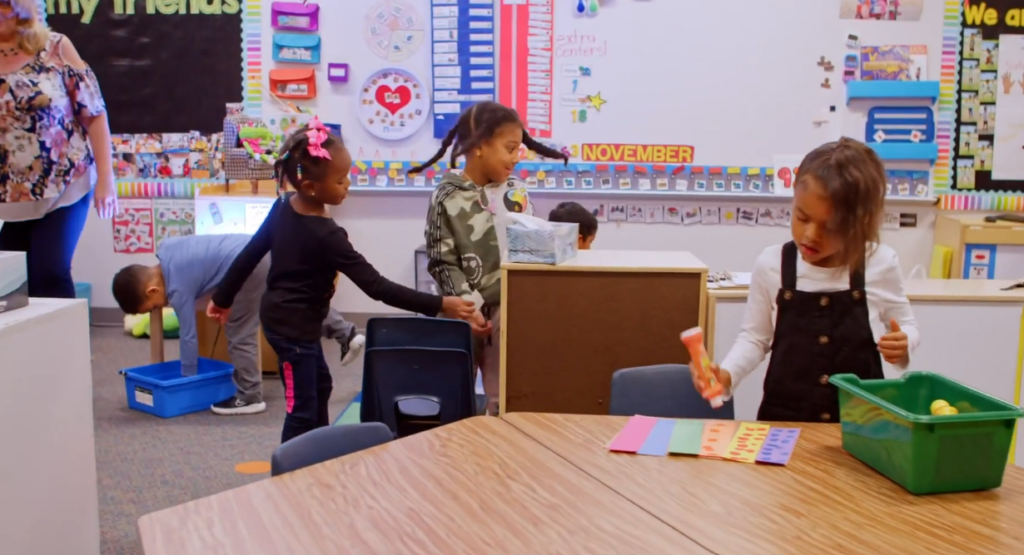
The emphasis on decentralization in OMEP’s model sets it apart from more extensive humanitarian education initiatives. The chapters don’t come with a pre-made curriculum created in Geneva or Buenos Aires. Rather, they train locals, such as mothers, older siblings, and community leaders, to mold educational materials around regional languages, customs, and histories. This is more than just a polite philosophical gesture in post-conflict situations. Many war-torn nations’ curricula, which were rife with ethnic prejudice or nationalist rhetoric, were themselves tools of division. Rebuilding education entails actively dismantling the past, and outsiders cannot accomplish this task on their own.
Whether OMEP’s grassroots strategy can scale in any significant way is still up for debate. The organization has a voice in policy discussions thanks to its consultative status with the UN and UNESCO, but funding and advocacy are ongoing challenges. Approximately two percent of international humanitarian aid is spent on education at all levels. A portion of that portion is given to early childhood. The numbers are dire. Nevertheless, OMEP chapters continue to establish Toy Libraries, train volunteer teachers, and visit locations where the formal education system has all but vanished.
This tension extends beyond OMEP. The World Bank has frequently cautioned that putting basic education first at the expense of everything else leads to long-term imbalances that impede economic recovery for many years. However, the youngest kids are always the last to get attention because they are unable to protest, lobby, or even express their needs. Reaching them first, rather than last, could potentially alter the course of an entire generation, according to OMEP’s wager. At best, it’s unclear if the international community will ever provide sufficient funding for that wager.
