

As strange as it may seem, things have been going badly in American public schools for the past twenty years. At the same time that more kids are overweight, more teachers are saying that kids can’t focus, and youth anxiety has become a real public health issue, school districts across the country have been cutting recess without anyone noticing. Not switching it out. Cutting it.
Most of the time, the same reasons are given: students need more time to study, their test scores need to go up, or there aren’t enough resources to watch their free play. At first glance, it makes sense. But more and more evidence from around the world suggests that this trade-off isn’t just wrong; it may be hurting the academic goals it’s meant to help achieve.
One group that helps with this is OMEP, which stands for the World Organization for Early Childhood Education. Researchers working with OMEP have been keeping track of what happens to kids when they can’t play outside for years, and the results don’t leave much room for doubt. A Norwegian study that followed preschoolers found that spending more time outside every day was directly linked to a lower risk of ADHD symptoms. Not just a little lower. Lower in a real way. As a parent watching your child’s twenty-minute recess get cut short at a school board meeting, that kind of fact is hard to ignore.
The pattern keeps showing up in different places, from Polish playgrounds in cities to Scandinavian preschools with outdoor learning areas. When kids play outside more, they stay healthier, get along better with others, and are better prepared for school. One study found that kids who spent at least two hours a day outside did almost 27% more moderate to vigorous physical activity than kids who didn’t spend time outside. Everything from your heart health to your ability to sit still and pay attention in math class is affected by that kind of activity. It’s possible that American schools are losing the attention spans they’re trying to teach by cutting recess to make more classroom time.
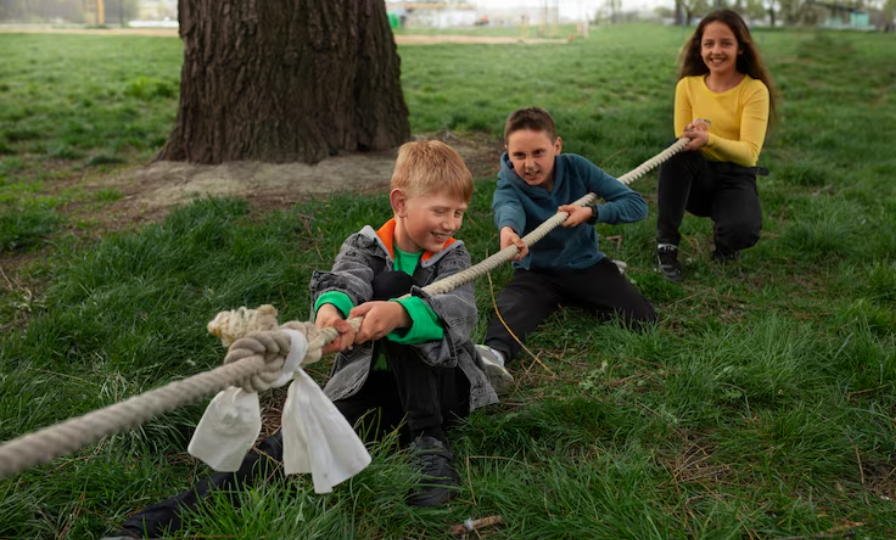
The OMEP research is especially appealing to supporters because it is consistent across the world. This is not just one study from one country. This pattern shows up in all kinds of climates, cultures, and economic situations. That’s why parents, pediatricians, and education researchers have been fighting back against school administrators who say recess is a waste of time. In places where school boards have moved to cut back on or get rid of recess, organized parent groups have started to show up with research instead of just their feelings. The OMEP body of work has become a point of reference in these conversations.
Another part of this that isn’t talked about much in policy discussions is which kids are missing out on the most time outside. The lack of outdoor play affects girls, kids from minority groups, and kids who live in densely populated cities more than other kids. Also, they are more likely to go to schools that have cut short or gotten rid of recess. There is a real issue of fairness here, and it makes it harder to say that cutting recess was a neutral administrative choice. It’s not always neutral. For kids who may not have many choices already, it tends to hurt them the most.
Some school districts are beginning to pay attention. In the past few years, a few states have passed laws to protect elementary schools’ minimum recess time. During those legislative sessions, the arguments have become more based on facts rather than memories. “Children deserve to play” is easier for administrators to brush off as sentimental, but “children who don’t play outdoors demonstrate measurable cognitive and social deficits” is much harder to brush off.
It’s still not clear if this momentum will last or if budget cuts and the culture of standardized tests will continue to take away the little free time that American kids have left in school. The study won’t go away, though. It seems to keep getting worse. And the more it does that, the less convincing it is that cutting recess is a good trade.
