

A junior college baseball field in late spring has a certain kind of silence. The soft thump of a ball landing in a tattered glove, the occasional bark of a coach who’s seen too many seasons to bother dressing it up, and the sound of a parent shifting in his seat can all be heard in the metal bleachers. This year, the sound of a baseball clearing a fence has frequently broken the silence at Johnson County Community College in Overland Park.
62 victories. Three defeats. A two-year institution nestled in a Kansas City suburb wouldn’t typically have numbers like that, but the Cavaliers have spent the spring challenging preconceived notions about JUCO baseball. 41 consecutive victories in a row. a record from school. Additionally, 204 home runs is the kind of number that prompts you to double-check the calculations before speaking aloud.
A run like this could lead one to believe it’s an anomaly, the kind of season when everything goes according to plan. However, it’s no accident that the Cavaliers lead the nation in seven different statistical categories. It’s a successful program. It feels less like a game and more like a slow demolition to watch them work through an opposing pitcher—hard contact, patient at-bats, and then someone hits one in the parking lot. The conference’s coaches have learned to be truthful about their pitch counts. A starter shouldn’t be left out there for too long.
Here, history is also important. Since 1993, Johnson County’s various programs have won ten national titles; the trophy case features banners from half-marathons, women’s basketball, and volleyball. Strangely, baseball isn’t yet on that list. The JUCO World Series is an odd and cruel competition, not because the program hasn’t been excellent—it has. Five victories to win it all, double elimination, and the kind of pressure that can crush a team that finished at.350 all spring.
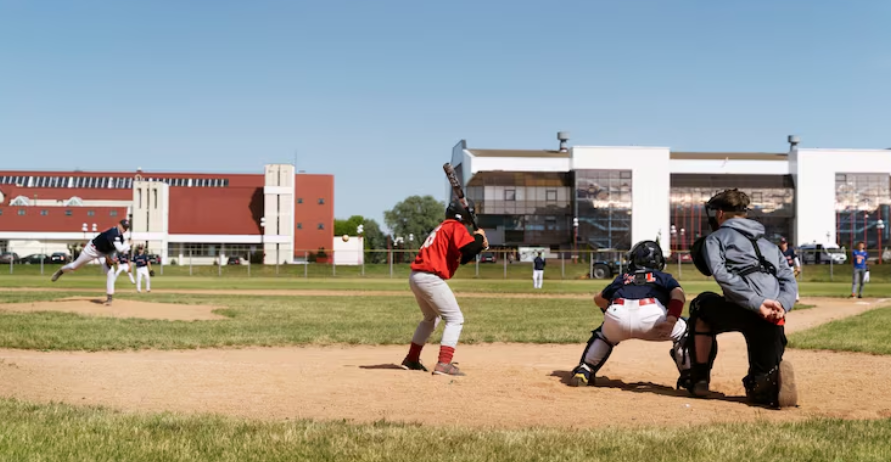
There is a feeling that this group may be unique. Since February, when the victories began to mount, they have managed expectations. They have also managed the long Kansas afternoons when a 35-degree morning turns into an 80-degree first pitch. Current players still hear about Kit Pellow, who went from JCCC to the Colorado Rockies, and it seems like some of them are secretly hoping to be the next.
It’s difficult to ignore the team’s apparent lack of concern. They arrive, hit, win, and then leave. There isn’t a big statement about fate. That isn’t really possible in junior college baseball because the majority of these players leave within a year, either to four-year programs or, for the fortunate few, into draft discussions. As a result, the window is tiny. Either you win now or you won’t have another opportunity.
Grand Junction is waiting. The bracket is in place. To accomplish something that no JCCC baseball team has ever accomplished, the Cavaliers will need to win five games. It’s also possible—possibly even likely—that the program’s best season concludes with the trophy it’s been silently pursuing all along, even though nothing is guaranteed in a tournament like that.
