

In the teaser for Kai Cenat‘s Streamer University, two students are shown wandering around a dimly lit gas station in an attempt to find hints about the location of this enigmatic event. Then they are transported to a group of buildings that resemble the Middle Ages and are covered in branded banners by a hovering train. It doesn’t all make sense. And for some reason, that feels just right.
It doesn’t make sense that Kai Cenat, the current MVP of Twitch and one of the most popular streamers worldwide, created Streamer University. He constructed it in order to create history. And by most accounts, it was successful.
Renting out an actual college campus in Akron, Ohio, bringing together more than 150 up-and-coming creators, and conducting a three-day crash course on how to truly survive—and thrive—in the streaming industry was the basic and almost ridiculously straightforward idea. No fees. Lodging, food, and travel are all covered. Just a live Twitch broadcast of classes, chaos, and content over the course of a weekend.
More than a million people submitted applications. Within minutes of going live, the sign-up page crashed. That figure alone demonstrates how desperate this generation of creators is for something that feels relevant to their real aspirations for their lives and careers rather than for conventional college acceptance letters.
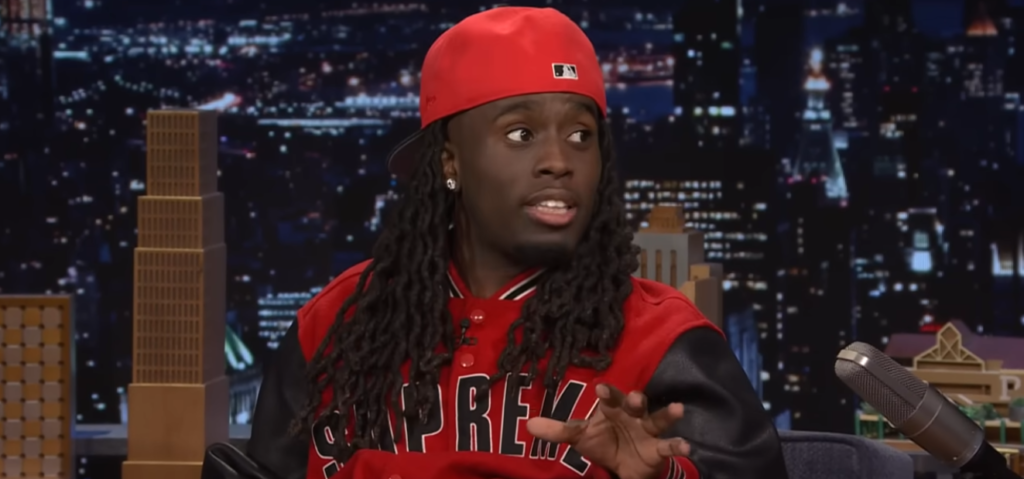
The faculty that Kai put together reads like an online culture fantasy draft. Physical education was run by Duke Dennis. Internet Beef 101 was the name of the course that DDG taught. CookingWithKya took care of the cooking. India Love embraced relationships and love. Defense Against Hating, taught by ImDontai, may be the most practical course ever created, depending on where you are in your creative journey. These were individuals who were actively pursuing the careers that the students were attempting to pursue, not inspirational speakers reading from slides.
Some viewers may have viewed all of this with some skepticism. There is a hint of elaborate content bait in a Twitch stream disguised as a university. However, spending time with the actual video and the responses it elicited makes that reading seem unfair. By the end of it, Kai Cenat was reportedly truly overwhelmed. He stated as much at the program’s conclusion. For four days, 120 streamers—each with their own setups, audiences, and energy—were crammed onto one campus. Both literally and figuratively, that is a lot of bandwidth.
Something genuine is reflected in the numbers. According to some estimates, Streamer University was viewed for about 23 million hours, or roughly 2,750 years of content. It’s not a vanity metric. That’s an audience expressing their interest in what they were viewing.
Beneath all of this is a larger discussion that deserves careful consideration. Content creation is no longer an uncommon pastime or a fortunate coincidence that occurs in teenagers’ bedrooms. It is becoming more and more of a profession, the foundation of entire media companies, marketing departments, and brand ecosystems. The majority of universities have responded slowly. Some have not replied at all, continuing to view the discipline as a joke or a diversion. In light of this, a four-day bootcamp taught by professionals on a real campus appears less like a joke and more like a sharp critique.
Kai Cenat himself gave students a tour of how he started his career. Fundamentals of content creation, audience expansion, monetization, and technical tools were all covered in the curriculum—the entire spectrum of what it takes to go from publishing content into the void to creating something long-lasting. It wasn’t hypothetical. These instructors had made mistakes, learned their lessons the hard way, and were now giving away their knowledge for free.
Observing all of this from the outside gives the impression that Streamer University was more important than anyone anticipated, possibly even the people who founded it. Seeing what happens next will be interesting.
