

A teen’s first online hangout, a middle schooler’s specially designed obstacle course, or a group of college friends who met in a Rec Room paintball arena and remained friends for years all likely existed somewhere in a virtual room that vanished after June 1. Globally, players have spent a total of 68,000 years on this platform over the last ten years. There, half a billion friendships were formed. It’s nearly impossible to retain the numbers in your mind. And it was all insufficient.
On March 30, Rec Room, a cross-platform social gaming platform that allows users to create, socialize, and share user-generated worlds on VR, PC, console, and mobile devices, announced that it will permanently close on June 1, 2026. At noon Pacific time, the servers go dark. The company’s explanation was straightforward: expenses consistently outpaced earnings, and with the VR market changing and more general gaming obstacles exacerbating the situation, the way forward was just blocked. That admission has an almost refreshing honesty to it; it’s a straightforward admission that the math didn’t work out, without any spin or pivot announcement.
Rec Room’s financial trajectory reveals a tale that the tech industry is uncomfortably familiar with. The Seattle-based business raised more than $294 million and peaked at a valuation of $3.5 billion. Investor trust was genuine. There was actual user engagement. However, the underlying economics were not keeping up. After platform fees and creator payouts, the platform reportedly kept only about $0.30 of every dollar; this margin structure left very little room for the kind of spending that Rec Room’s ambitious platform required. Early in 2025, the company began to show warning signs when it laid off 16% of its employees. A few months later, it reduced the number of employees by about half, from about 310 to just over 100. The company had a runway through 2029, according to the leadership at the time. It failed to reach 2027.
The irreversibility of what is lost makes this closure especially challenging for the community. A memento avatar report card and the player’s photos are available for download. It is possible for creators to extract their room and invention data in formats that could be rebuilt elsewhere with significant effort. However, it is not possible to download the rooms themselves in any playable format. These include the unique worlds and intricate constructions that some creators spent years creating and that collectively recorded over 500 years of play time. There is no functional copy if the servers are not operational. It’s similar to telling someone they can keep the building’s blueprints but not the actual structure when it is being demolished. The information endures. The encounter doesn’t.
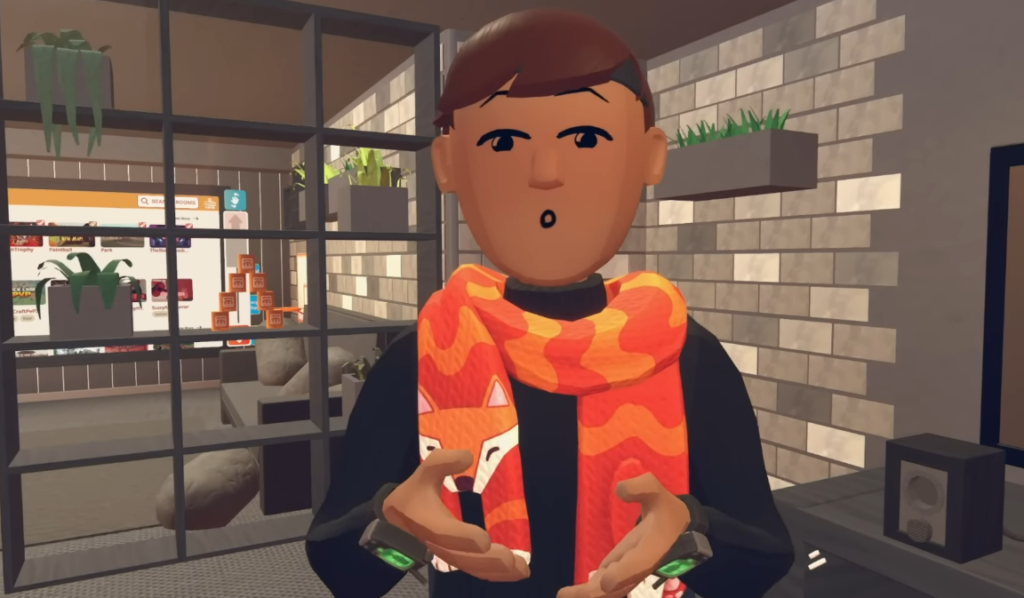
Some talent from Rec Room has moved to Specs Inc., the company’s XR-focused subsidiary working on upcoming glasses hardware, as part of Snap’s acquisition of some of its assets. It’s possible that Snap’s upcoming products will contain some DNA from Rec Room. That could also be a neat way of saying that the community received nothing while the technology was assimilated. Neither business has indicated that the platform will continue in any capacity.
As this develops, there’s a sense that the Rec Room’s closure signifies something more than a single company’s tough choice. It comes at a time when a number of social VR platforms are dealing with the same conflict: real communities are emerging around products that lack a viable business model. The audience was present. The engagement was genuine. It turned out that there was a greater distance between being profitable and being loved than anyone wanted to acknowledge.
The news was devastating to the players who spent thousands of hours creating items that will vanish on June 1. Many people seemed to think that this couldn’t be real and that it must be an early April Fool’s joke, as one Reddit commenter put it. It wasn’t. The lights are going out, and they aren’t coming back on this time.
