

When the heat strikes more quickly than anyone anticipated, a certain kind of chaos ensues. By Tuesday morning, parents in Somerset, Gloucestershire, Bristol, and the larger West Country were silently checking their phones for last-minute messages about early pickups and Wednesday closures, as well as texts from schools and emails from headteachers. In Somerset, over 60 schools had already closed or sent students home early. Then came over 40 in Gloucestershire. The number was rising into the hundreds by Wednesday throughout Wales and England.
A red weather warning for extreme heat, not an amber or yellow one, was issued by the Met Office. It covered a wide arc that stretched from London through the South West, Birmingham, and Wales. Temperatures within that zone were predicted to be as high as 39°C and possibly as high as 40°C by Thursday. The highest temperature ever recorded in the UK was 40.3C in July 2022. We will be rewriting it in June, and we are uncomfortably close to doing so.
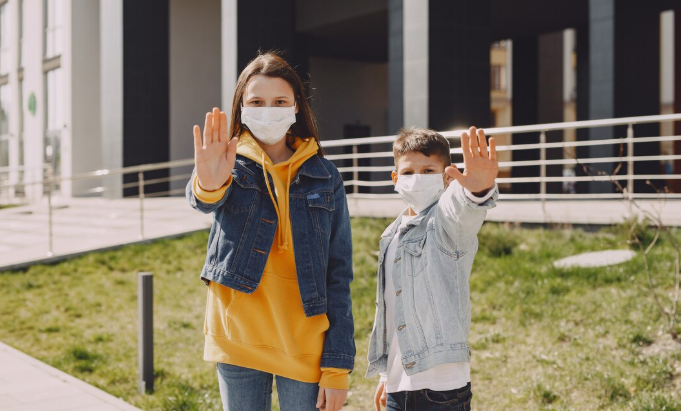
On Tuesday afternoon, as I passed a Bristol primary school, I noticed something strangely familiar and simultaneously strange. Teachers standing in areas of shade, parents showing up early with water bottles, kids wearing PE kits rather than uniforms. Lucy, a parent who only provided her first name, described how her kids’ school closed from Tuesday lunch until Friday. She was more subtly alarmed than outright furious. That same school remained open during the heatwave in 2022. Something has changed.
The buildings themselves have long been a contributing factor to the issue. The National Education Union’s Daniel Kebede put it bluntly: “Our Victorian school buildings have become greenhouses.” It’s not overstated. A large portion of the school estate in England was constructed during a time when a hot summer meant a pleasant afternoon rather than a warning about public health. No air conditioning is present. Many classrooms have windows that face south and provide no shade. Before the week was even halfway over, hardware stores in the area reportedly sold out of fans.
These closure decisions are not made lightly by head teachers. They are calculating whether there is even enough water to keep everyone hydrated during an afternoon that could reach 36C in a south-facing classroom, which children have medical needs that make heat dangerous, and how long staff can actually manage. The Department of Education’s official stance is still that schools should typically remain open in hot weather, with school administrators having the last say. That policy is starting to seem like it comes from a different era of climate change.
Beneath all of this is a larger frustration that education unions have been voicing for years. Smaller primary schools, which are frequently located in older structures, are especially under-equipped, according to Paul Whiteman of the National Association of Head Teachers. As buildings are renovated, Bridget Phillipson, the education secretary, admitted in parliament that schools must be better equipped to handle temperature swings. In the midst of an urgent crisis, that is a long-term commitment.
A week of unplanned school closures is difficult for working parents, especially those with rigid jobs. Not everyone feels the disruption equally. The heat doesn’t discriminate, but its effects do, whether one is a single parent, works shifts, or has no family nearby. How many families were left scrambling this week without official assistance is still unknown.
The heatwave in the West Country will end. Schools will reopen, the temperature will return to a comfortable level, and the urgency will diminish as usual. However, the scene of deserted classrooms in late June, fans that no one could locate, and kids sent home because the buildings were too hot to use safely is likely to recur. The question is whether the investment these schools have been in need of for years will be prompted by another record-breaking summer.
